We are processing your request.
Please, don’t close or refresh the page.
Home Burj Khalifa Height And Floors

Burj Khalifa Height and Floors: The Numbers Explained

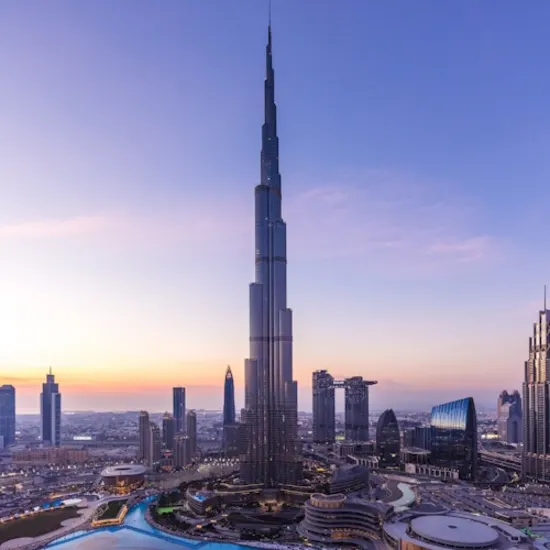
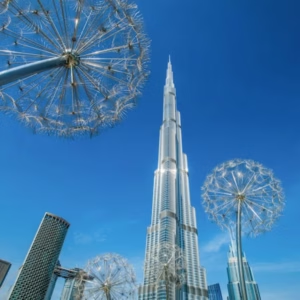
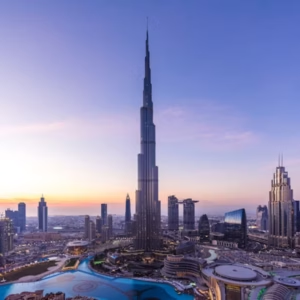
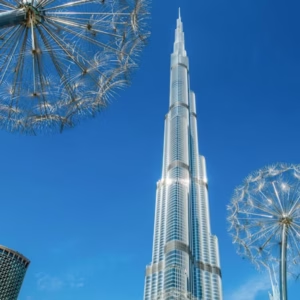
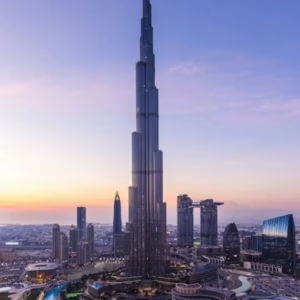
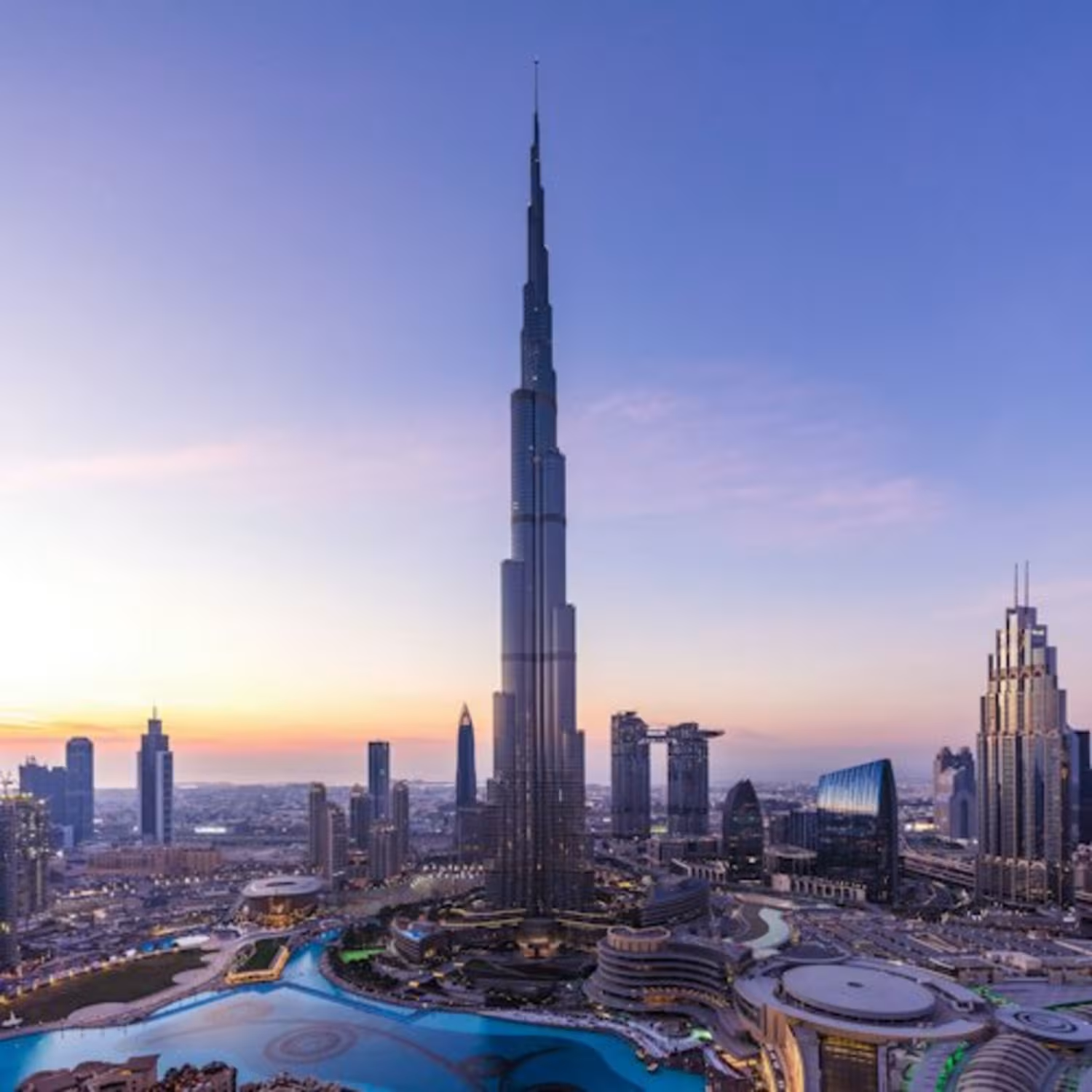
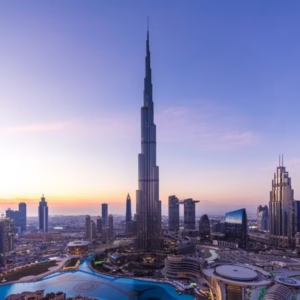
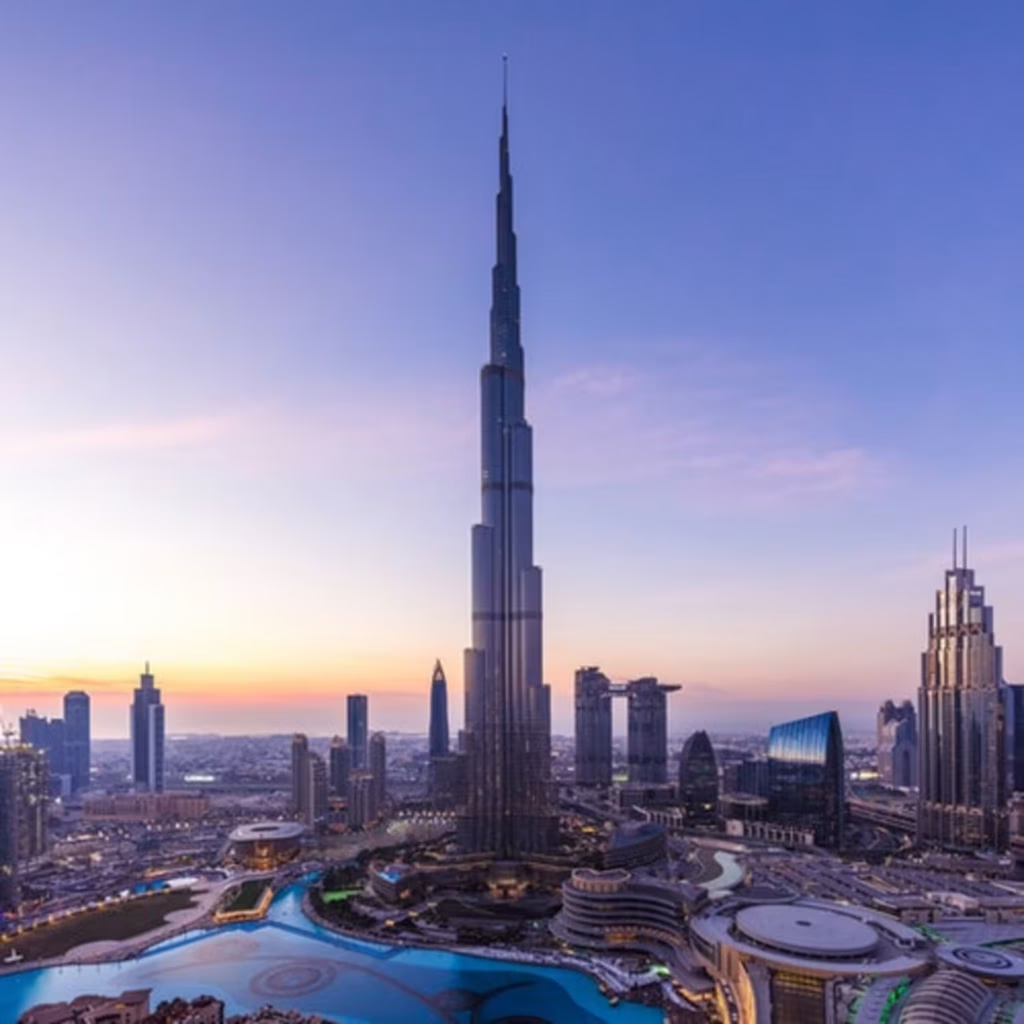
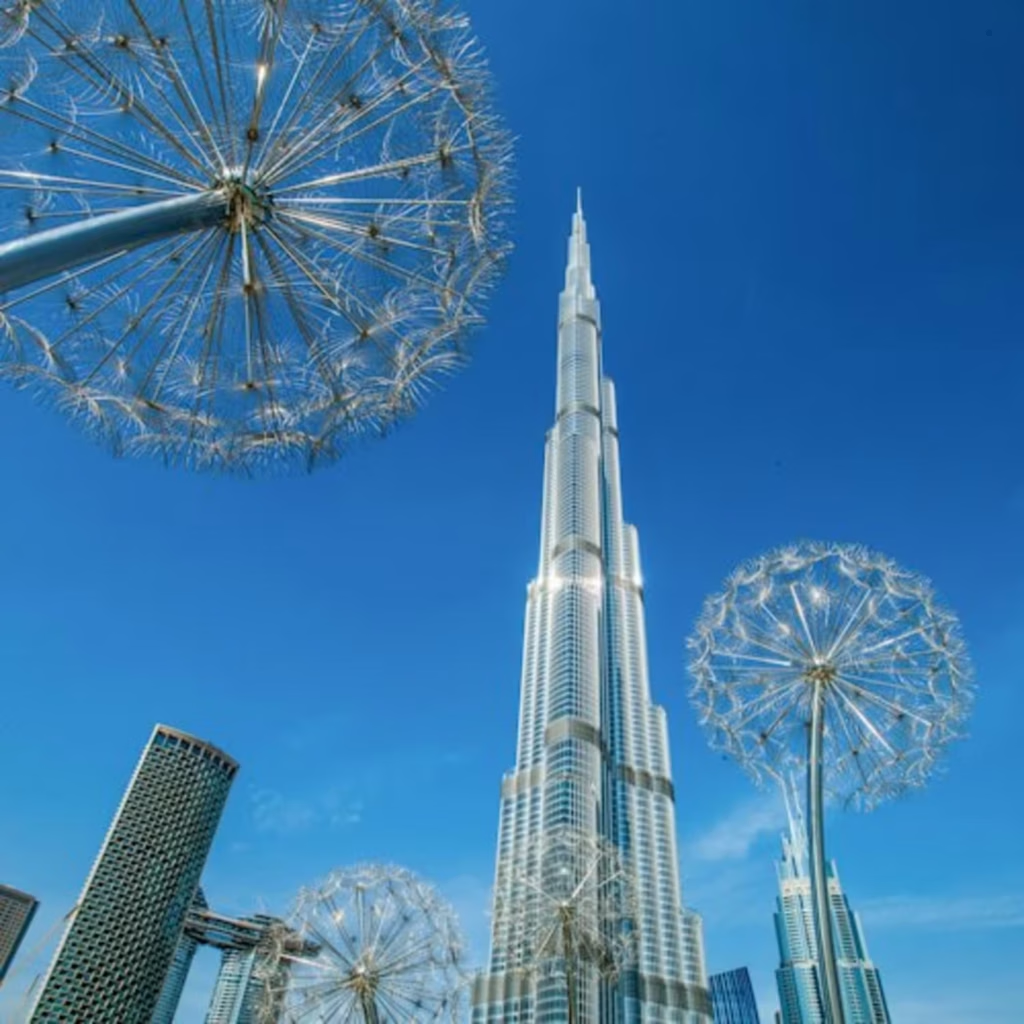
Burj Khalifa rises 828 metres over Downtown Dubai. Here is what the numbers mean, how the floors are used and which levels you can actually stand on.

Key Facts

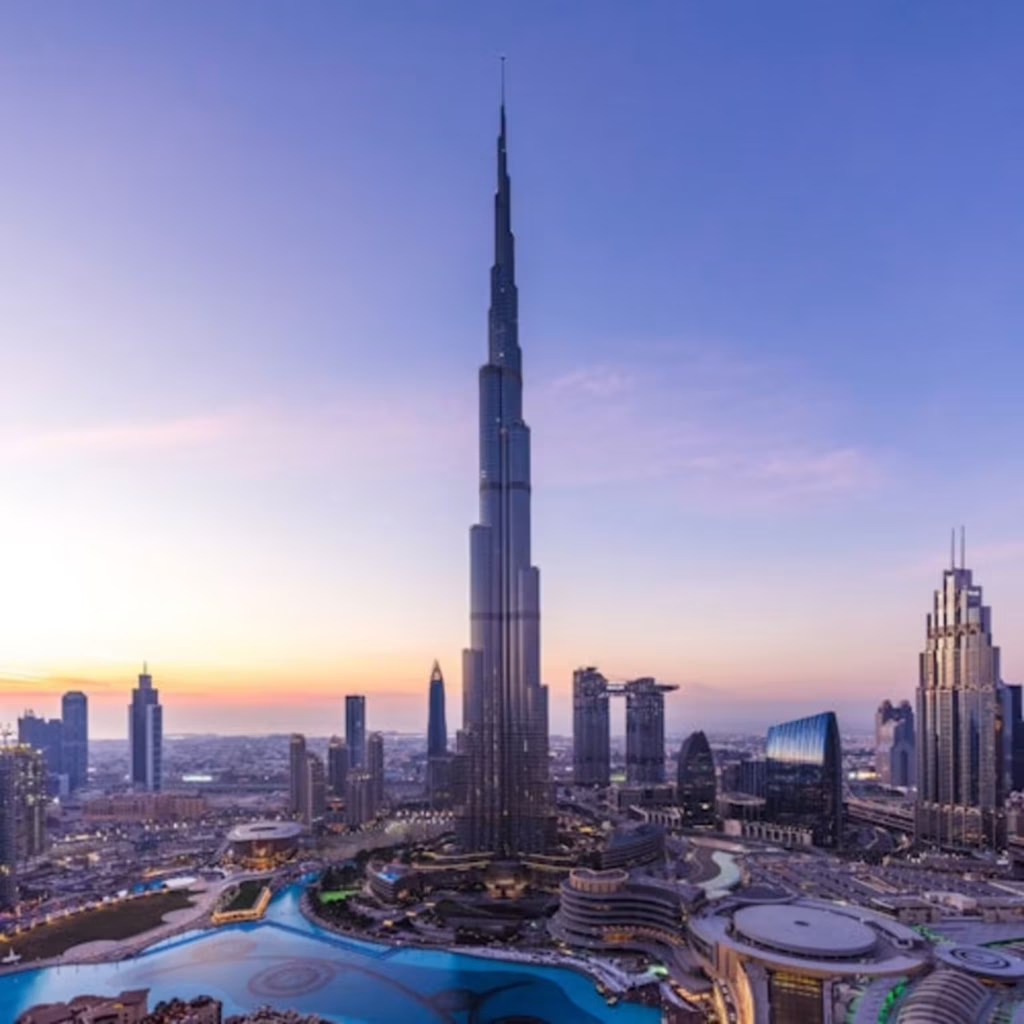
Height: 828 metres (2,717 feet) to the top of the spire
Floors: 163 above ground, 160 of them habitable
Highest occupied floor: Level 160, about 585 metres up
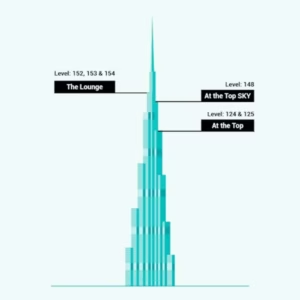
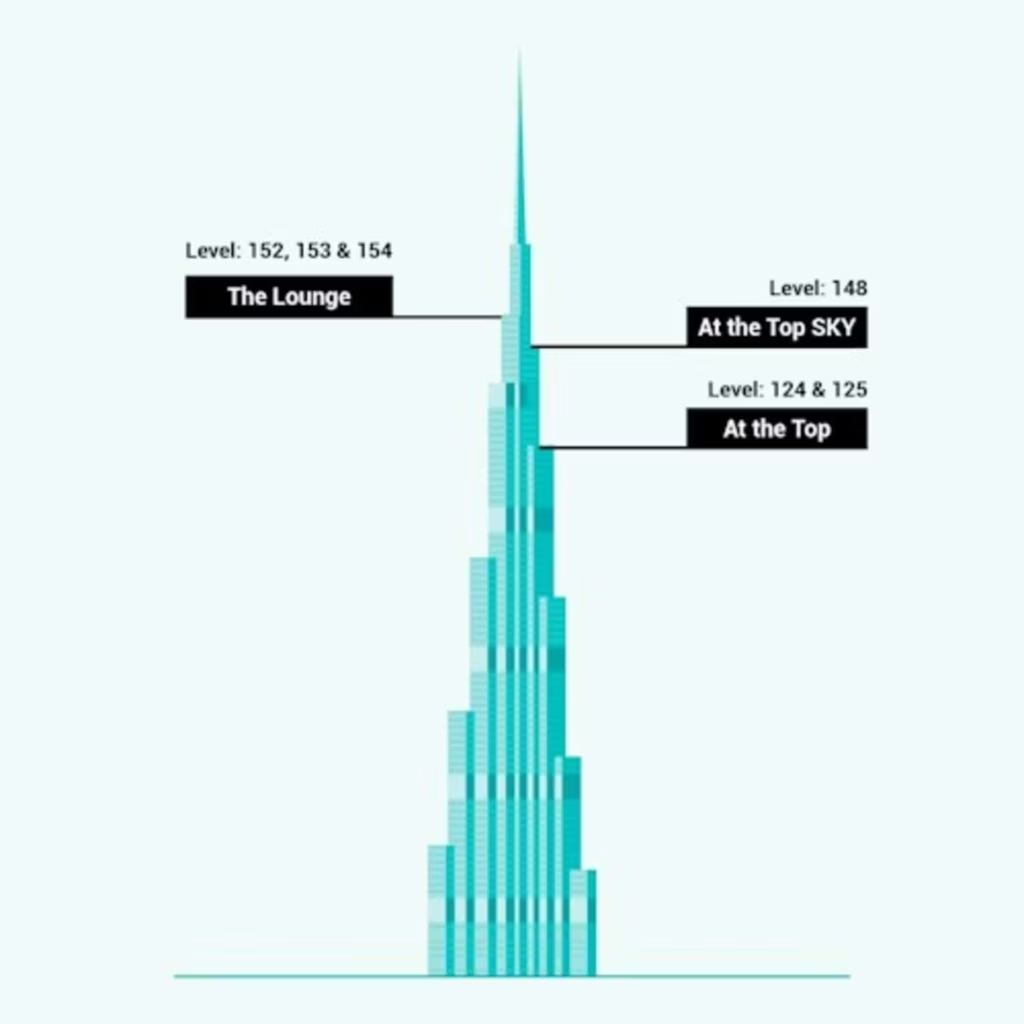
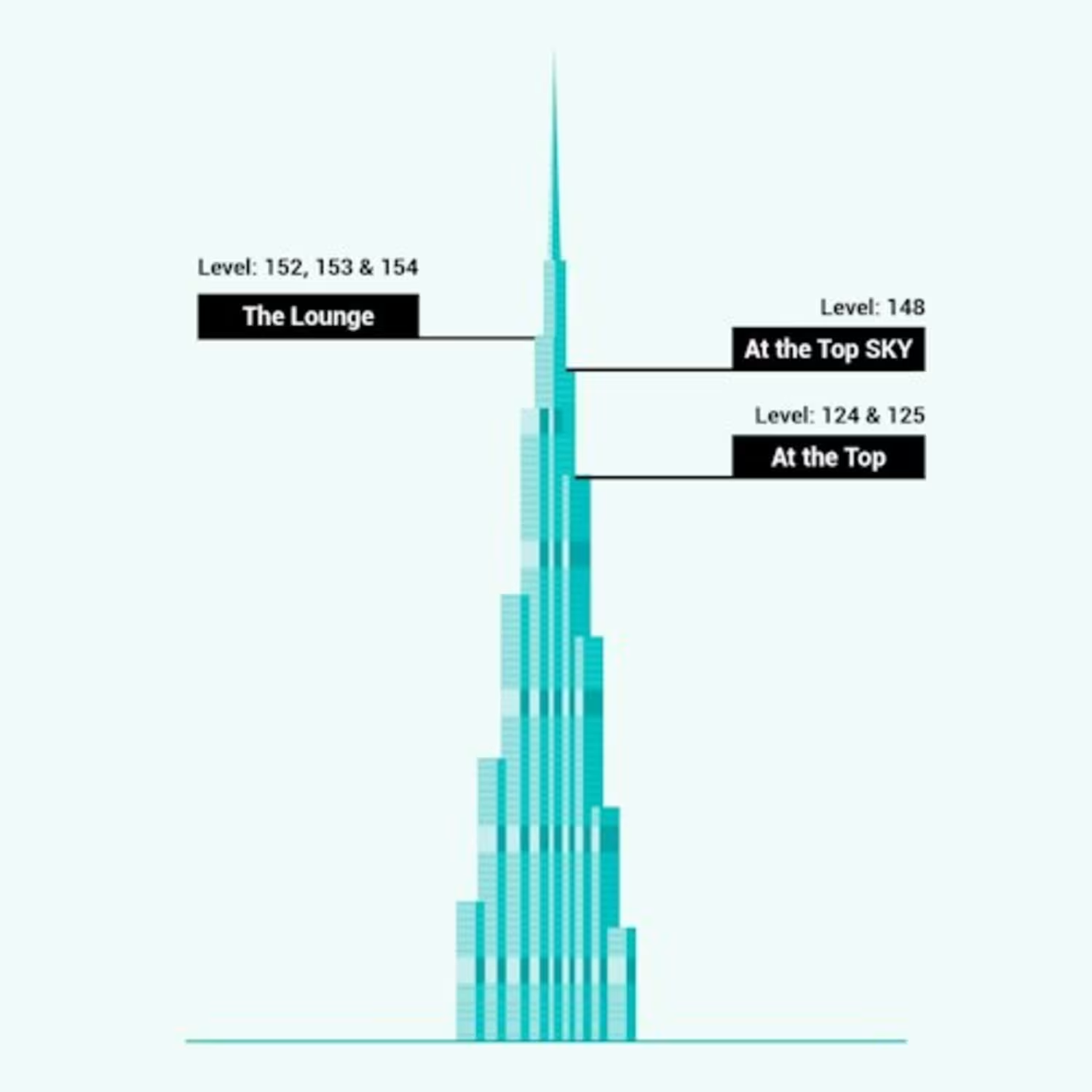
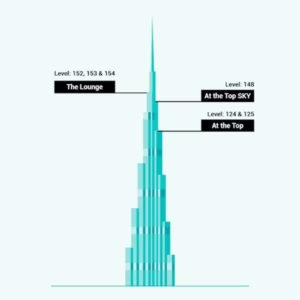
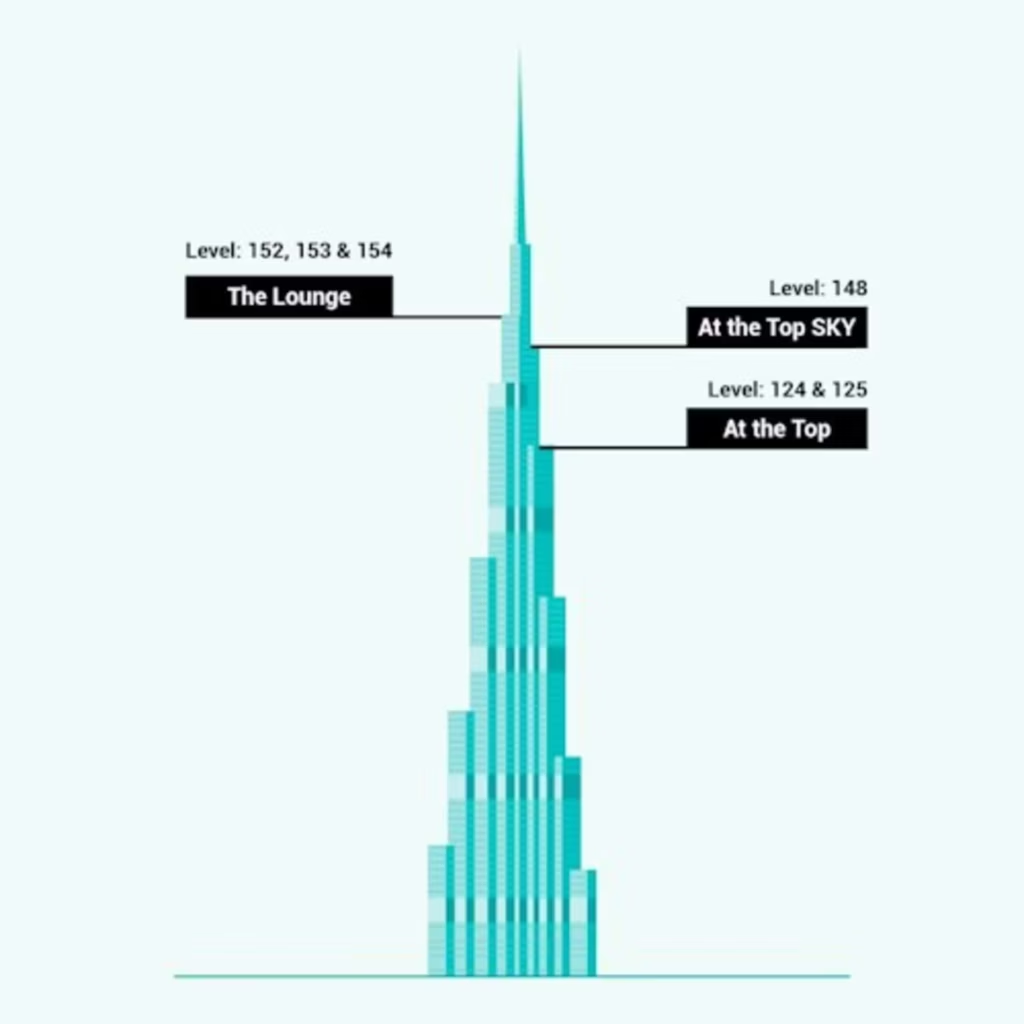
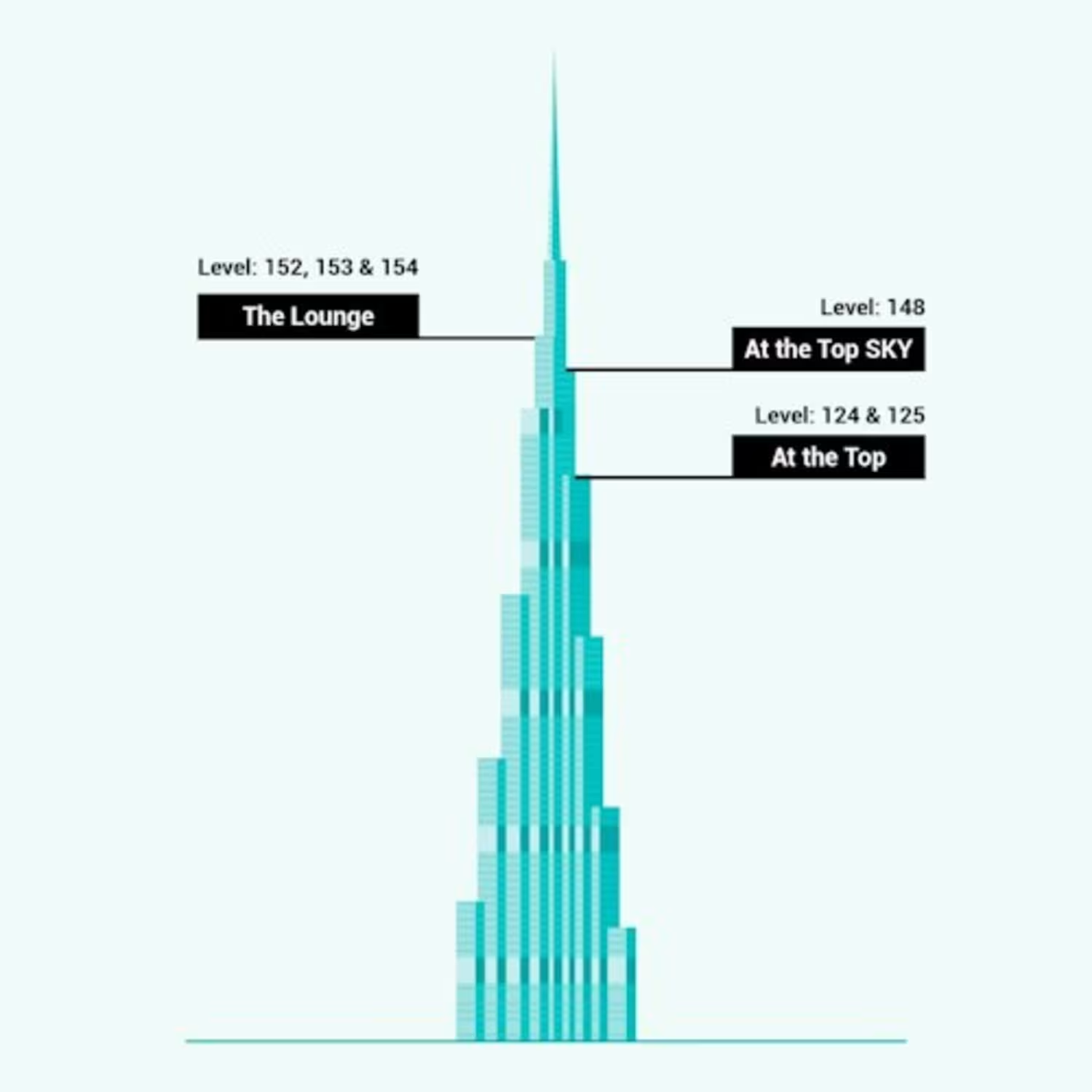
Visitor levels: 124 and 125 (At the Top) and 148, at 555 metres
Lifts: 57, the fastest travelling at 10 metres per second
Built: excavation began January 2004, opened 4 January 2010
Design: Skidmore, Owings & Merrill, with Adrian Smith as design partner

How Tall Is Burj Khalifa?

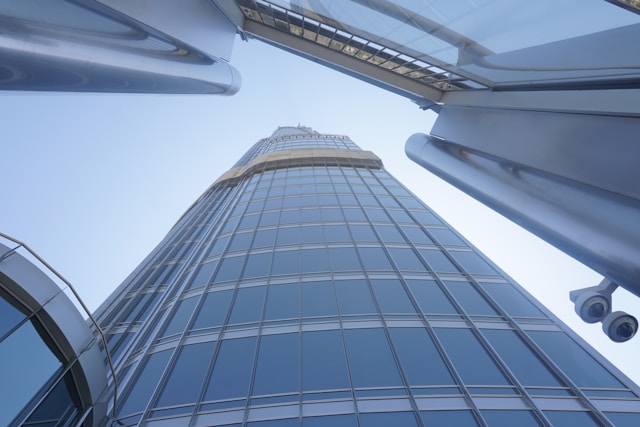
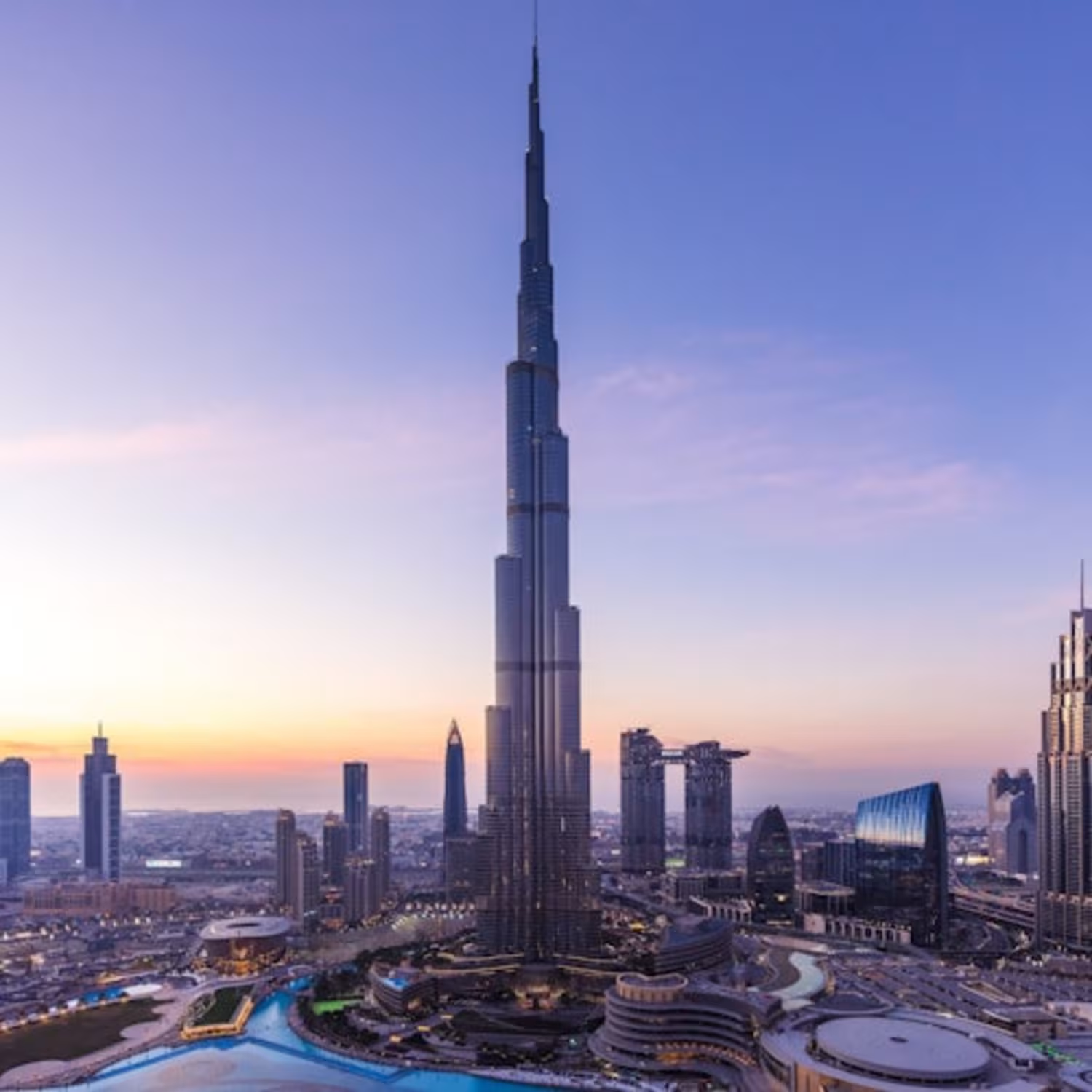
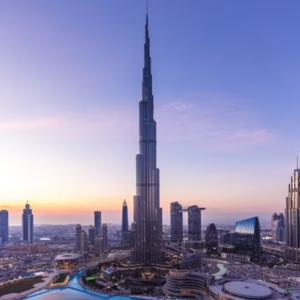
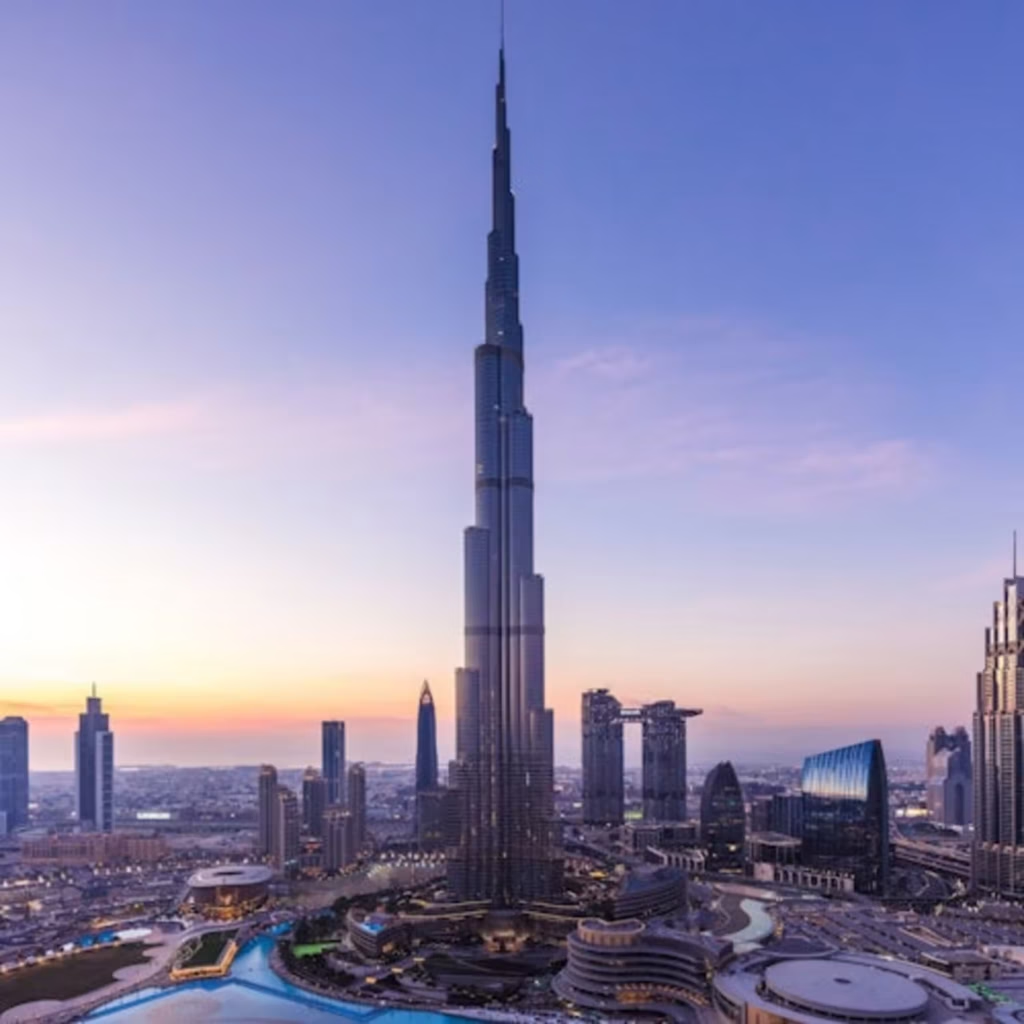
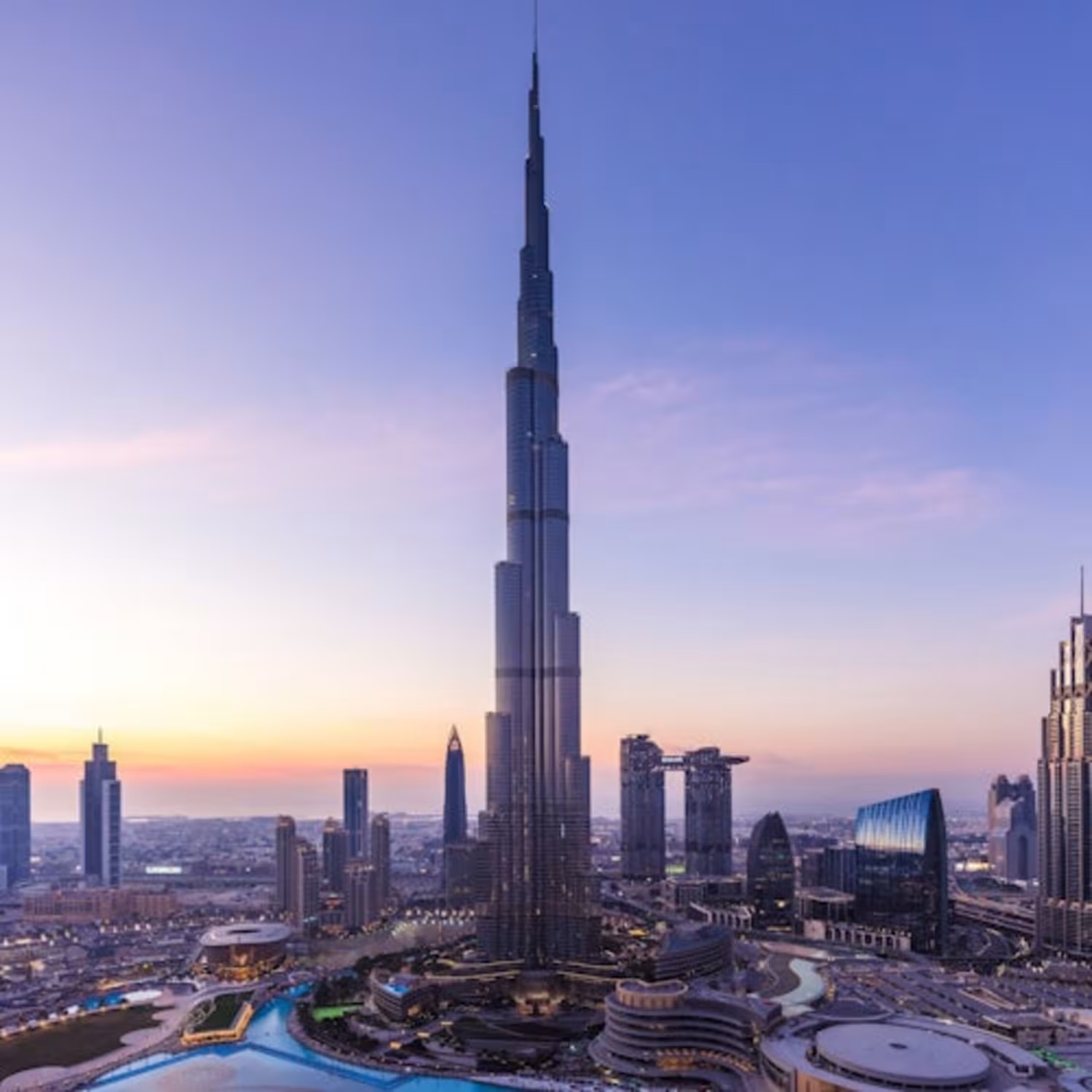
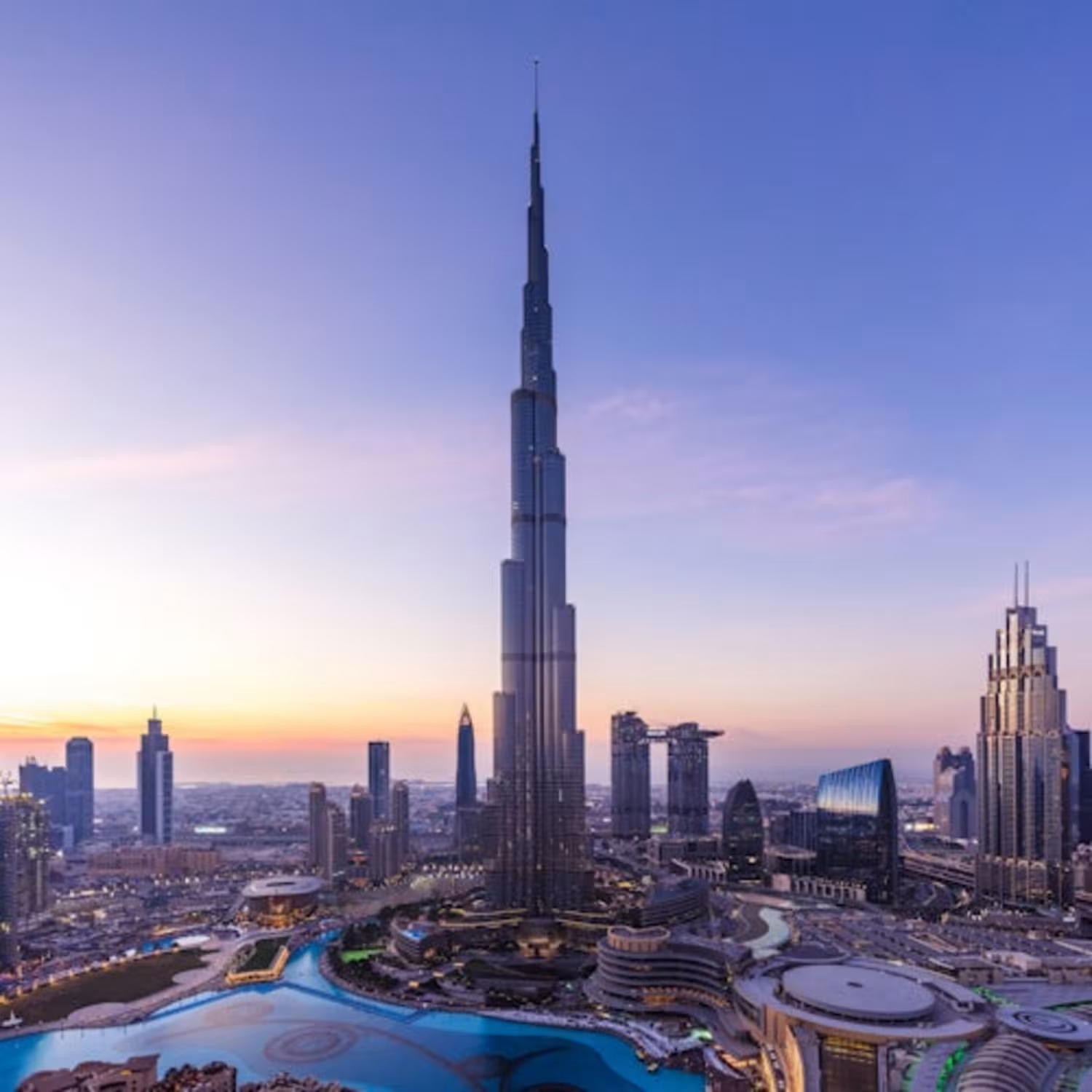
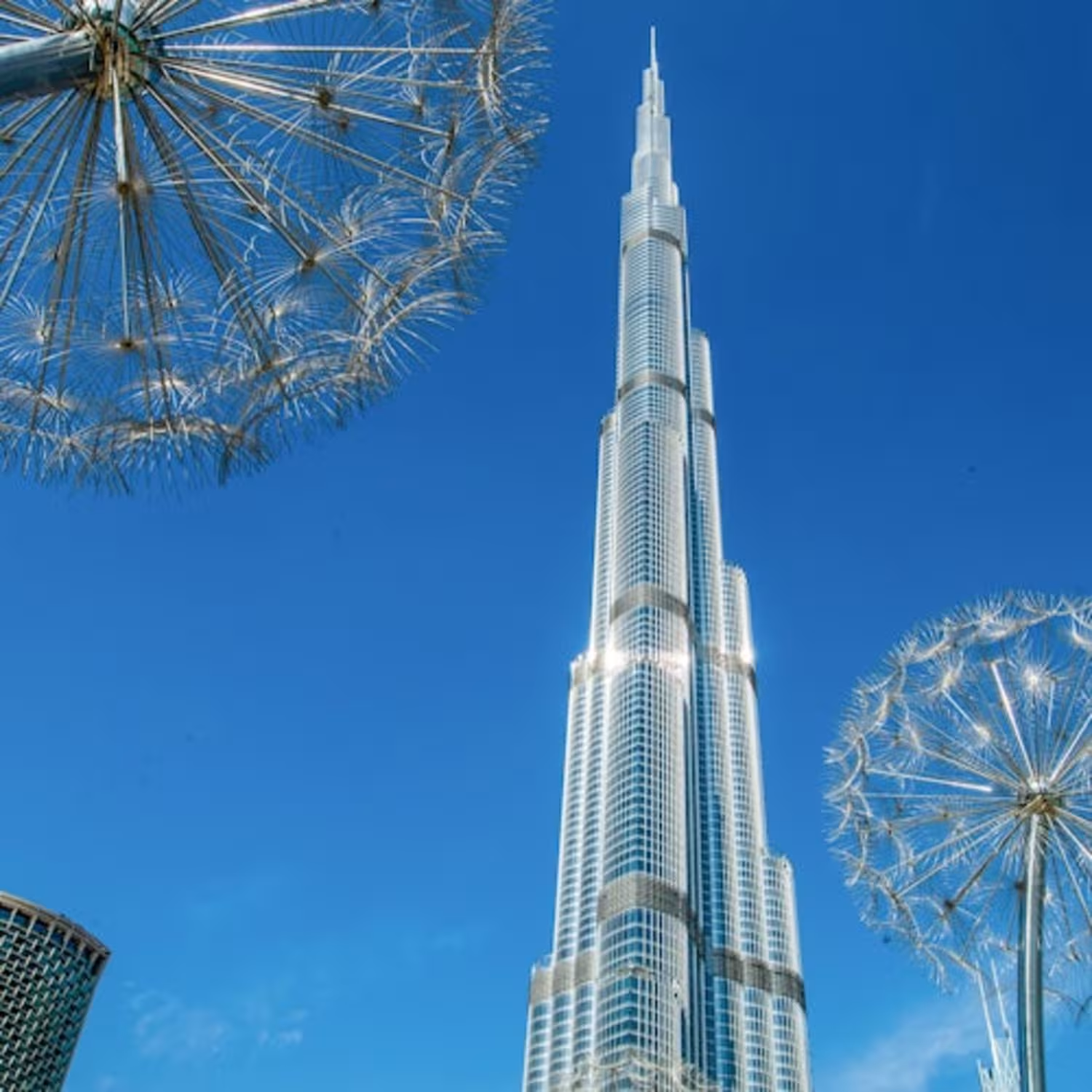
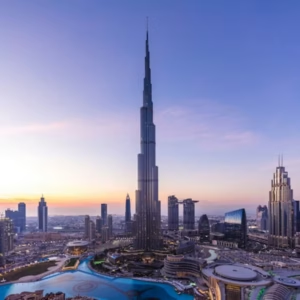
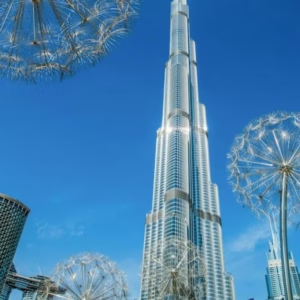
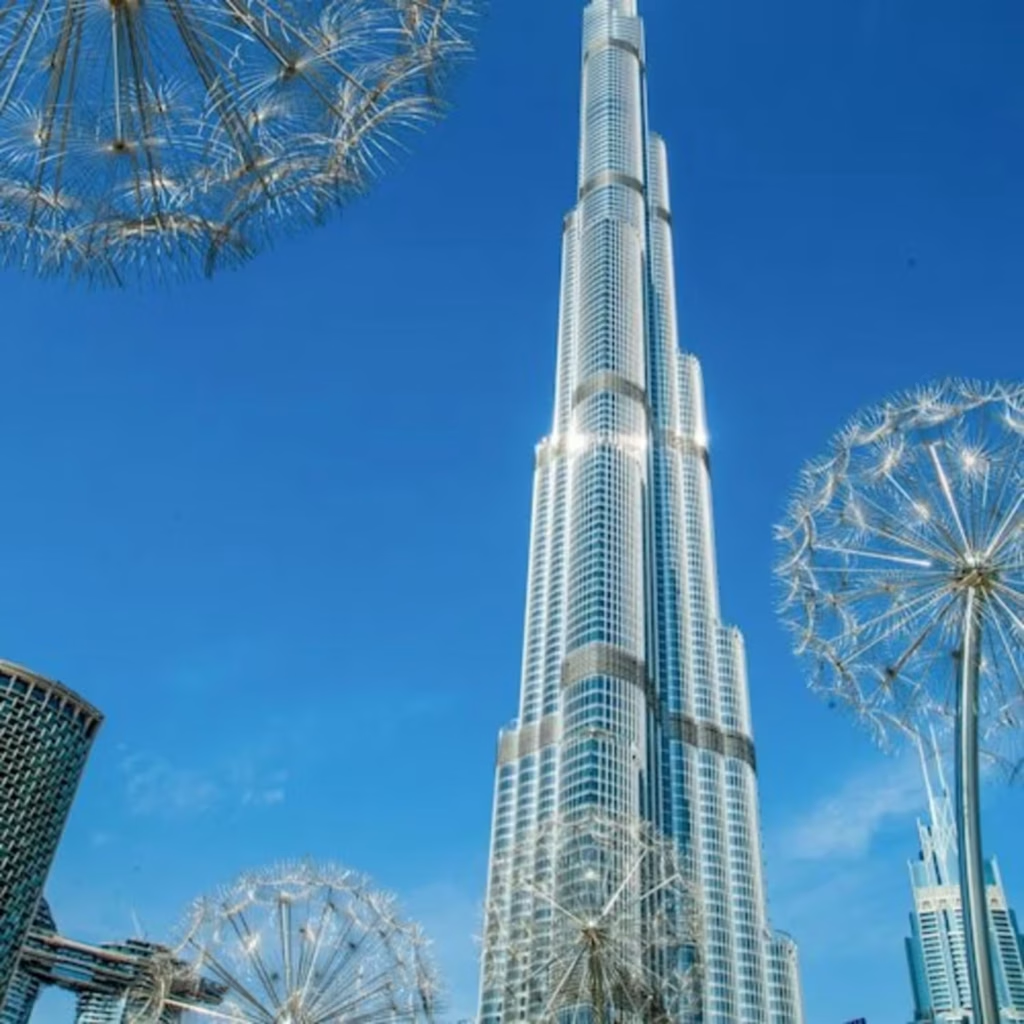
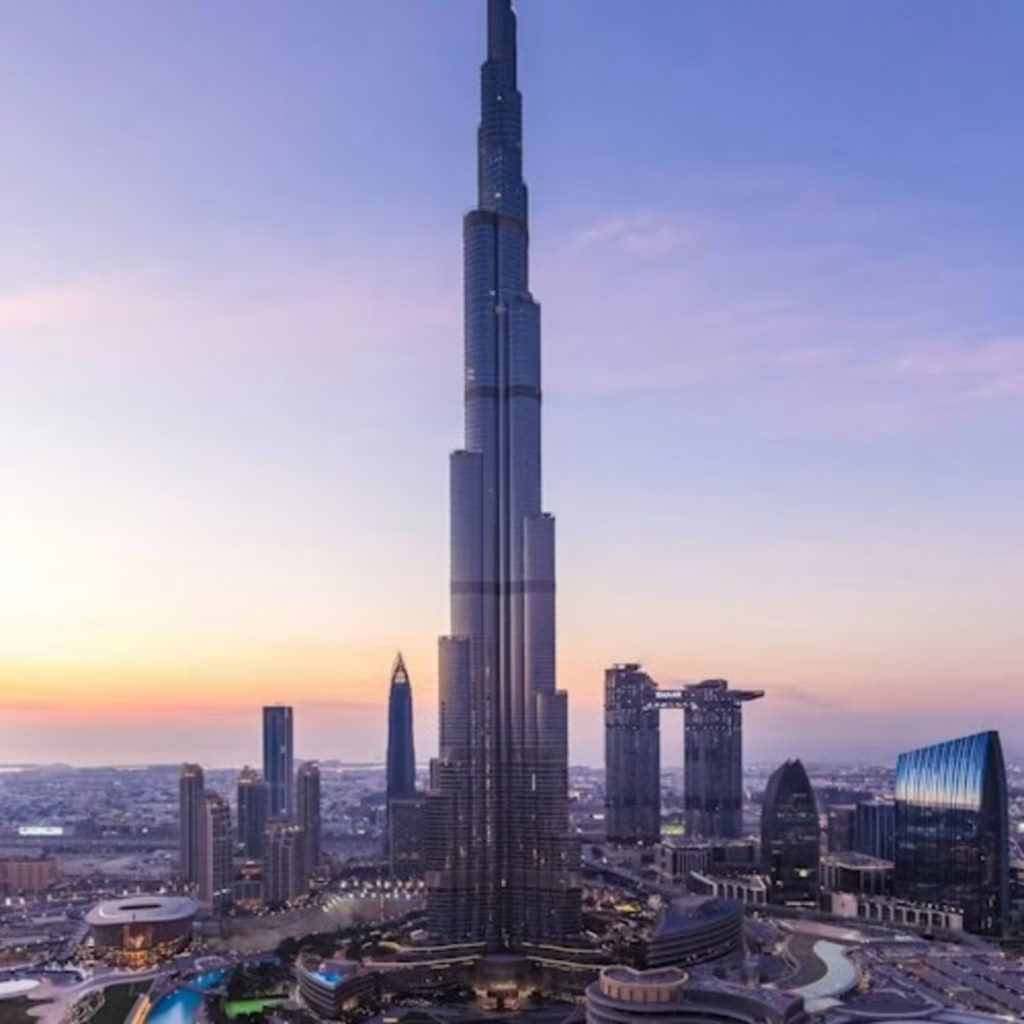
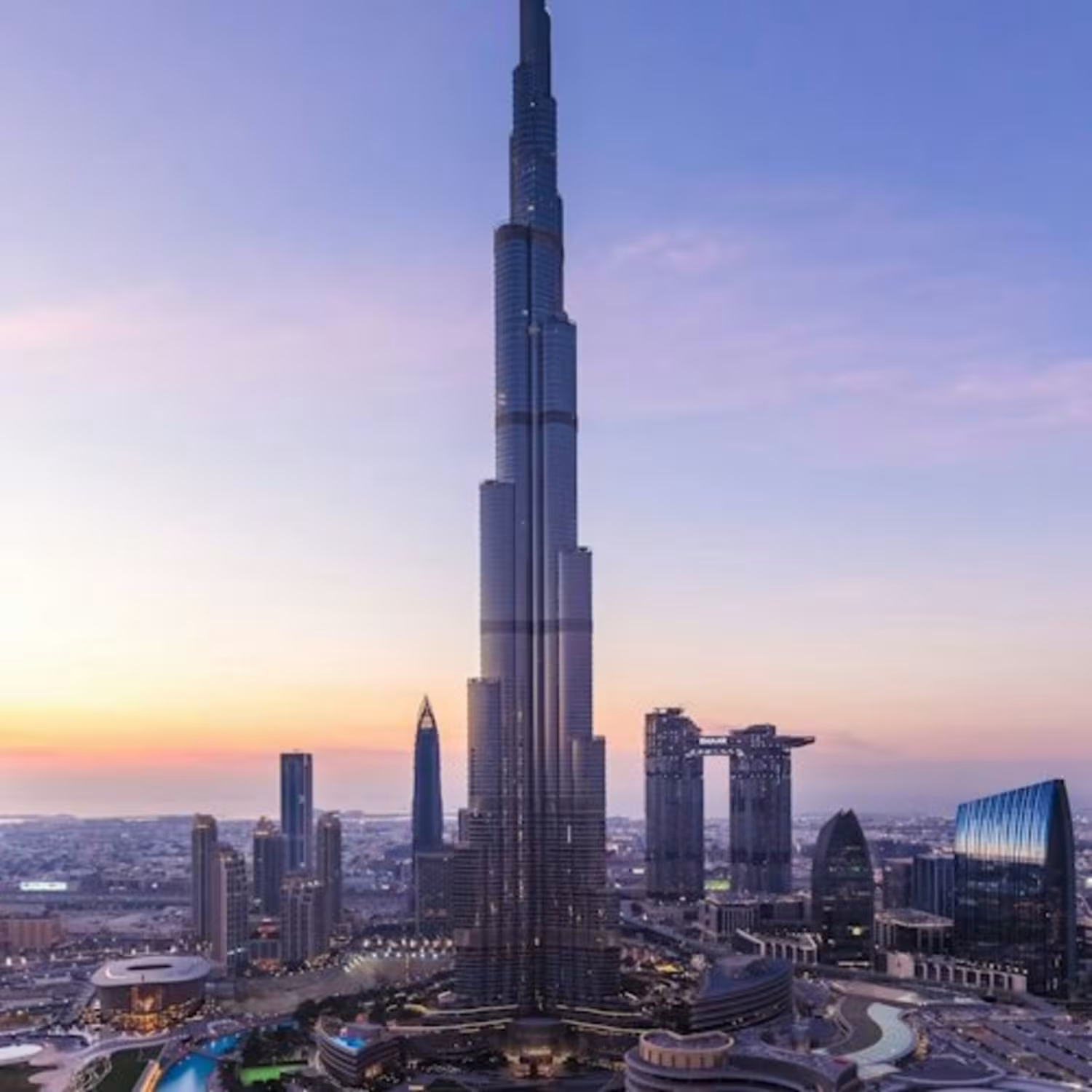
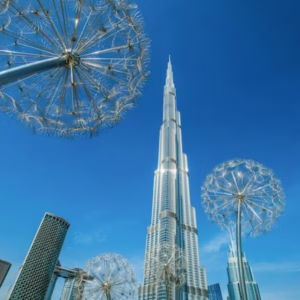
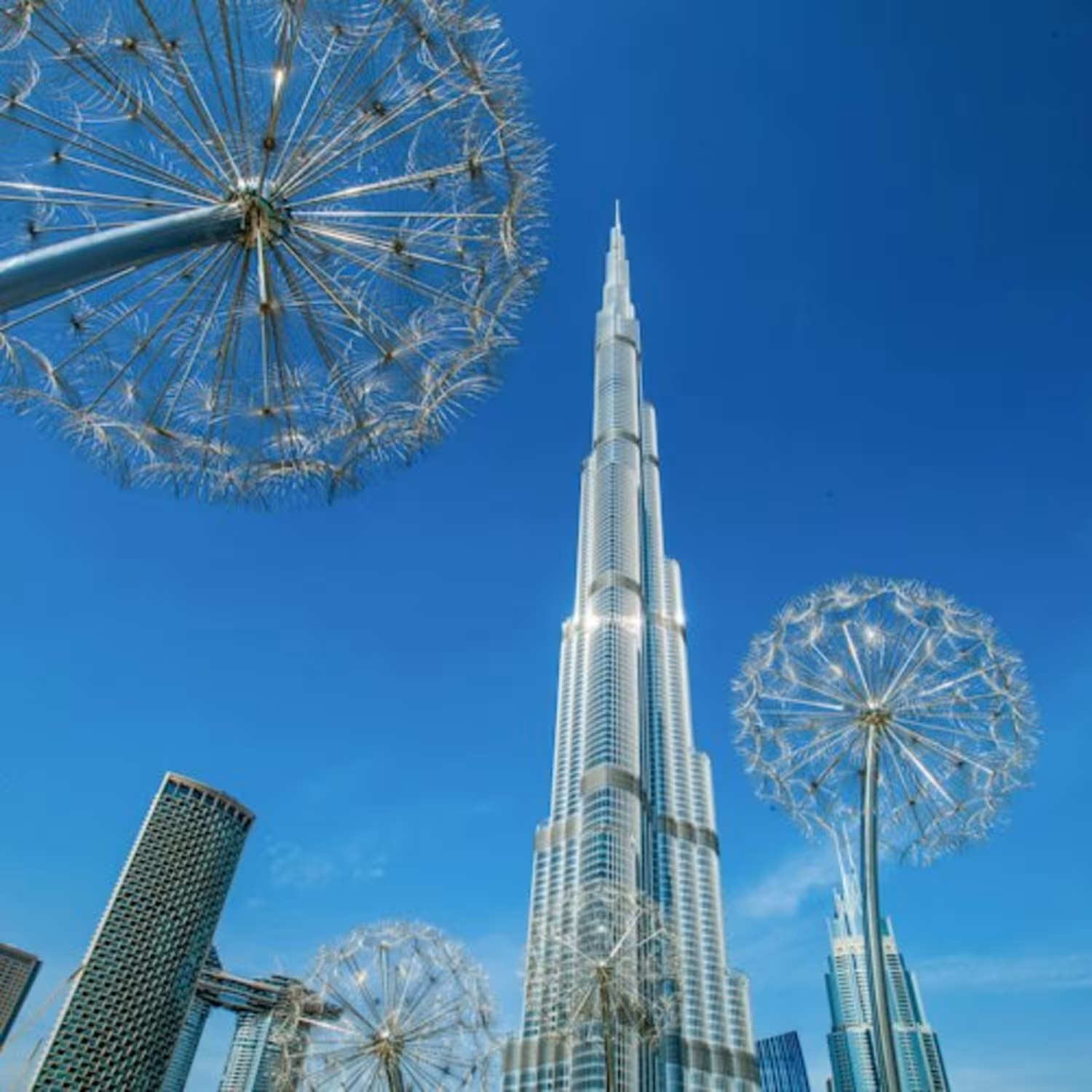
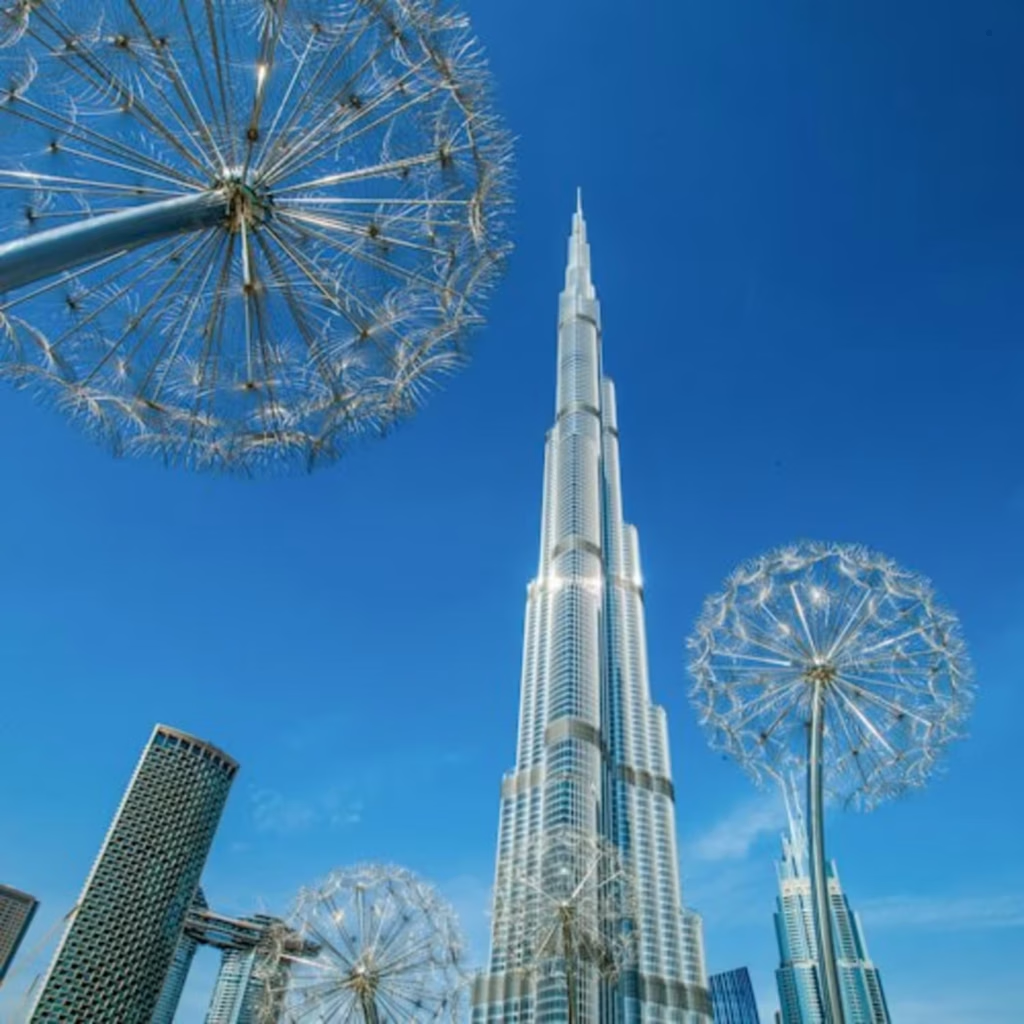
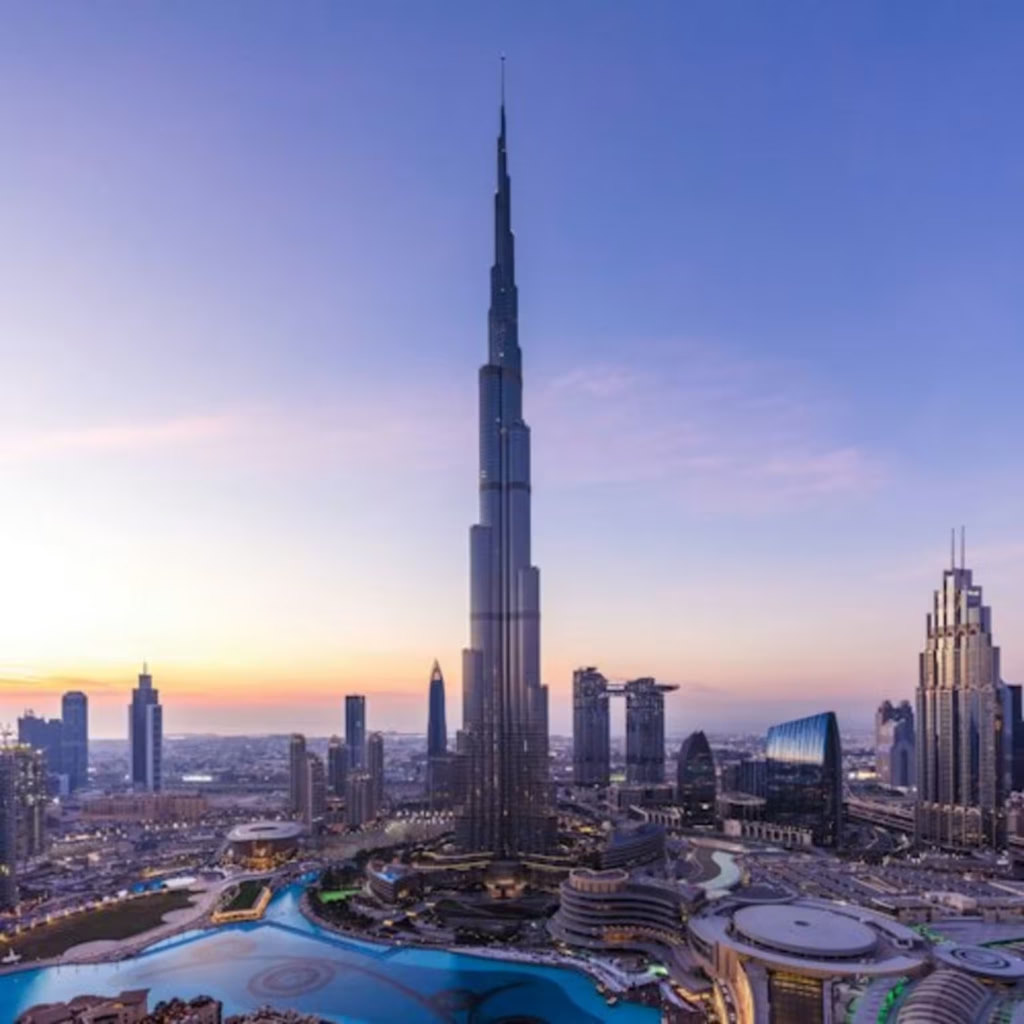
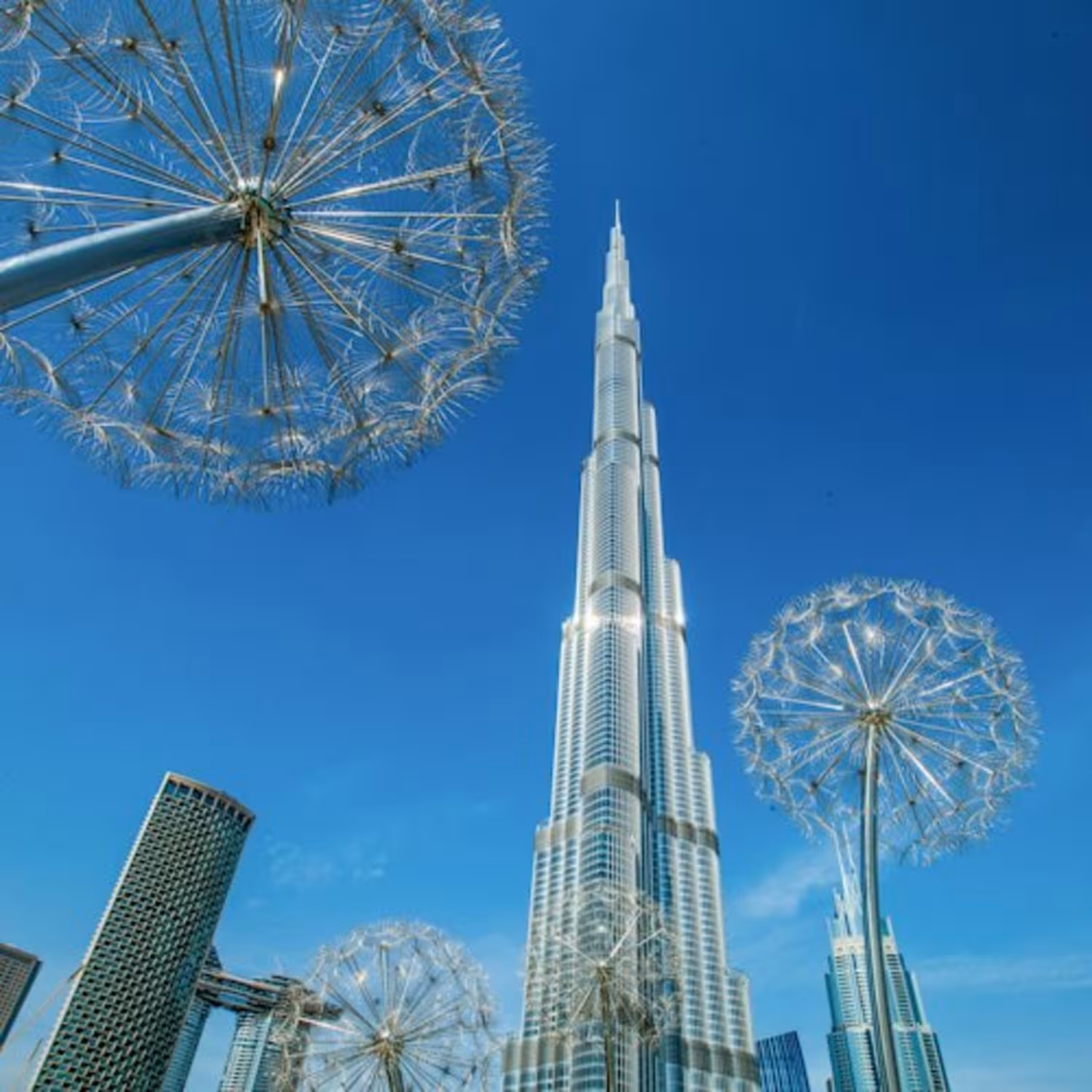
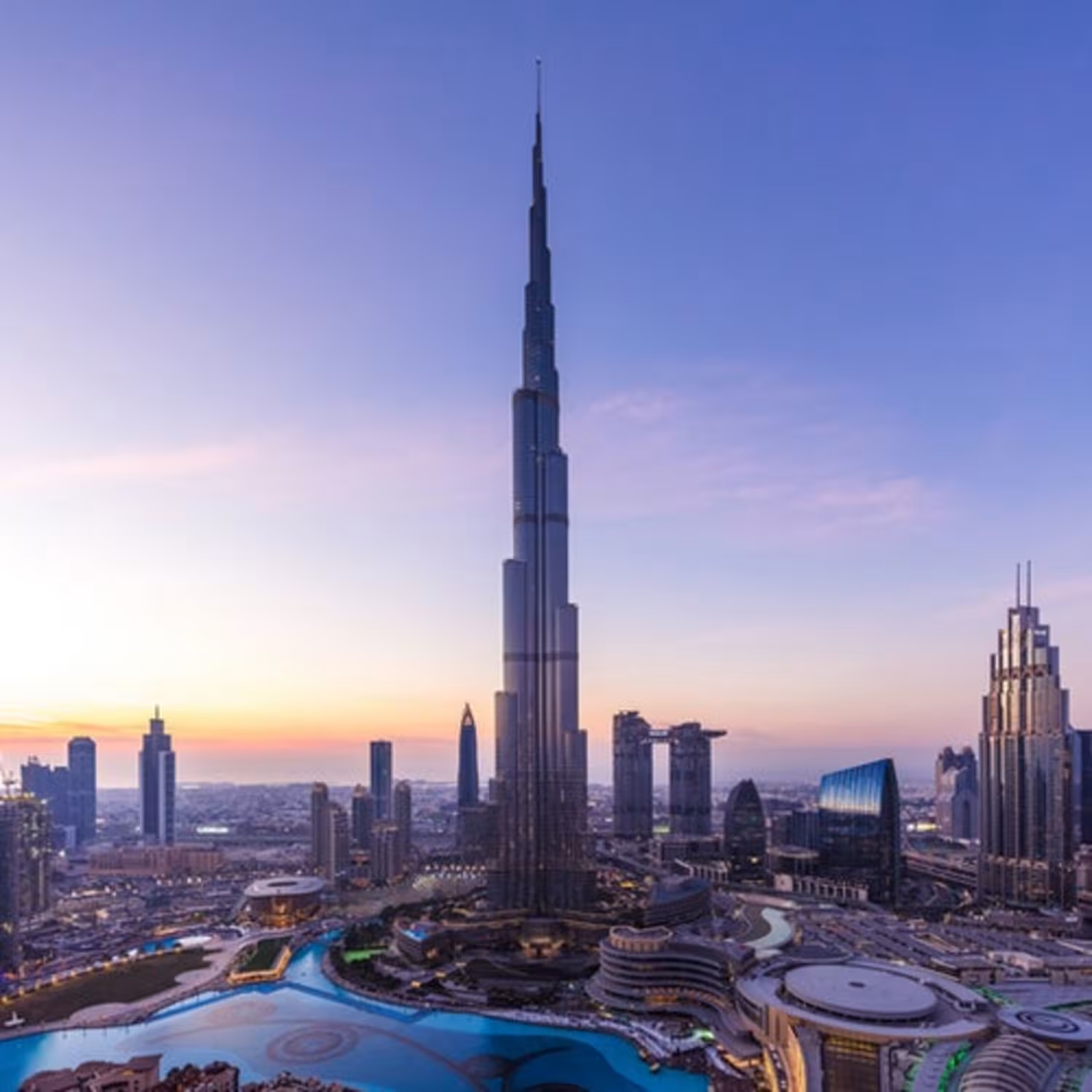
Burj Khalifa is 828 metres (2,717 feet) tall, measured to the top of its spire. That is the figure used by the Council on Tall Buildings and Urban Habitat (CTBUH), the body that ranks skyscrapers, and the tower has been the tallest building in the world since it opened on 4 January 2010.

To put the number in perspective, Taipei 101, the tower it took the title from, stands at 508 metres, so Burj Khalifa added roughly 320 metres to the record in one go. At the last review of this guide, the next tallest completed building was Merdeka 118 in Kuala Lumpur at 678.9 metres, about 150 metres short, with Shanghai Tower behind it at 632 metres.

You will occasionally see slightly different figures. CTBUH also lists a tip height of 829.8 metres, which includes the very top of the antenna equipment, while the developer's own fact sheet rounds the imperial figure to 2,716.5 feet. The official, widely quoted height is 828 metres.

How Many Floors Does Burj Khalifa Have?
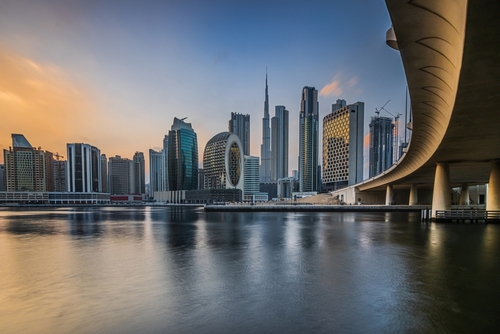
Burj Khalifa has 163 floors above ground, the count used by CTBUH and quoted on the venue's own pages. Of those, 160 are habitable, which is more than any other building on earth. The highest of them, Level 160, sits about 585 metres above the ground.

Above Level 160 the tower keeps going, but not with floors you could live or work on. The top four floors are reserved for communications and broadcasting equipment, and the slender steel spire, more than 200 metres long, carries the building the rest of the way to 828 metres. The spire alone is taller than many famous skyscrapers and can be seen from around 95 kilometres away on a clear day.

The developer's fact sheet describes a tower of more than 200 storeys, of which 160 are habitable, so its higher figure also counts levels nobody lives or works on. When people ask how many floors Burj Khalifa has, the accepted answer is 163.

What Happens on Each Floor

Concourse to Level 8, plus Levels 38 and 39

Armani Hotel Dubai, which opened in April 2010, a few months after the tower itself.

Levels 9 to 16

Armani Residences, a set of serviced suites linked to the hotel.

Levels 19 to 108

The Residence, around 900 private apartments spread over most of these floors, with sky lobbies on Levels 43 and 44 and Levels 76 and 77. Level 76 also holds a swimming pool more than 270 metres up.

Level 122

At.mosphere, the restaurant and lounge that sits just below the main observation decks.

Levels 124 and 125

At the Top, the main observation decks, which opened to visitors the day after the tower's inauguration.

Upper tower, Levels 112 to 154

The Corporate Suites, office floors that share the upper tower with the visitor levels, with a residents' and tenants' lounge on Level 123.

Level 148

The highest observation deck, 555 metres above the ground.

Levels 152 to 154

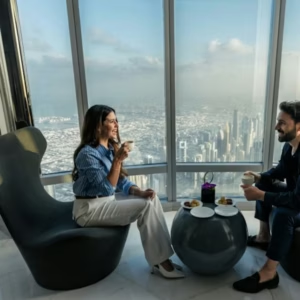
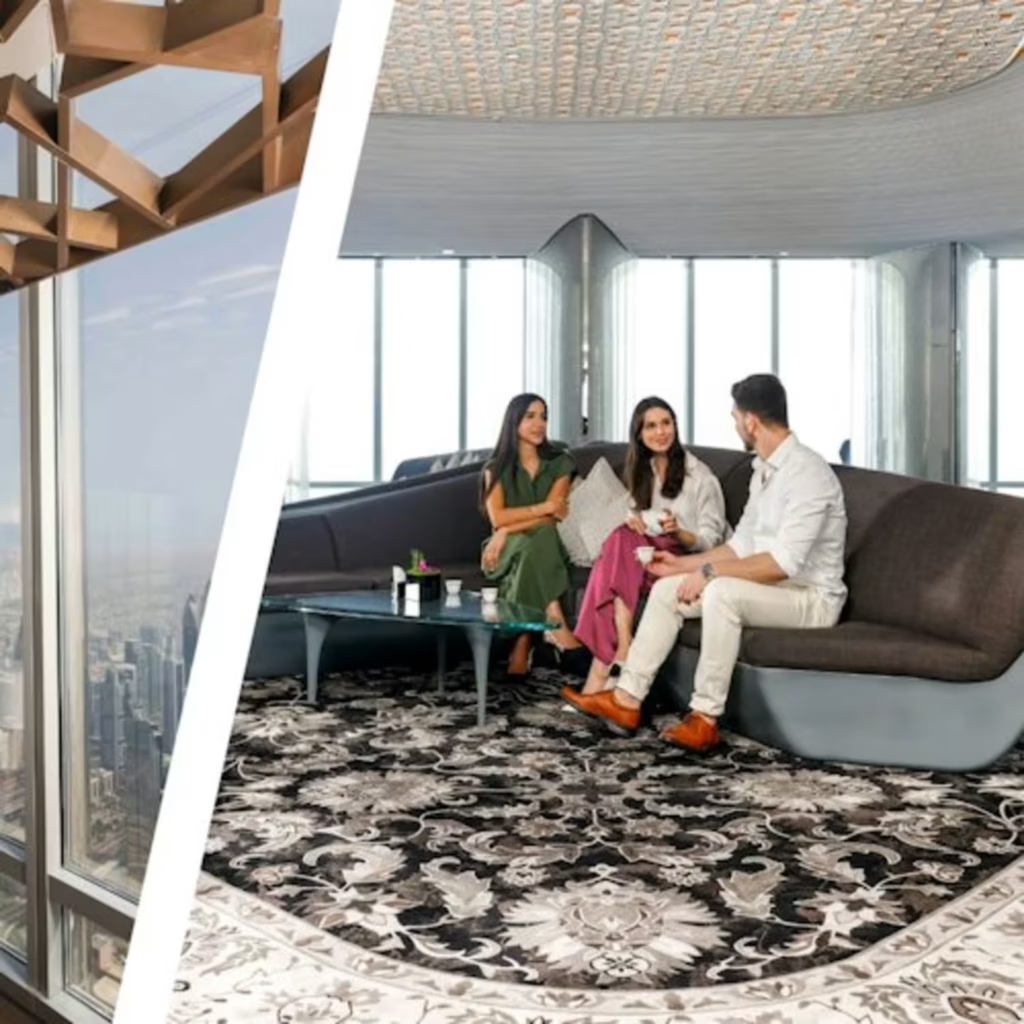
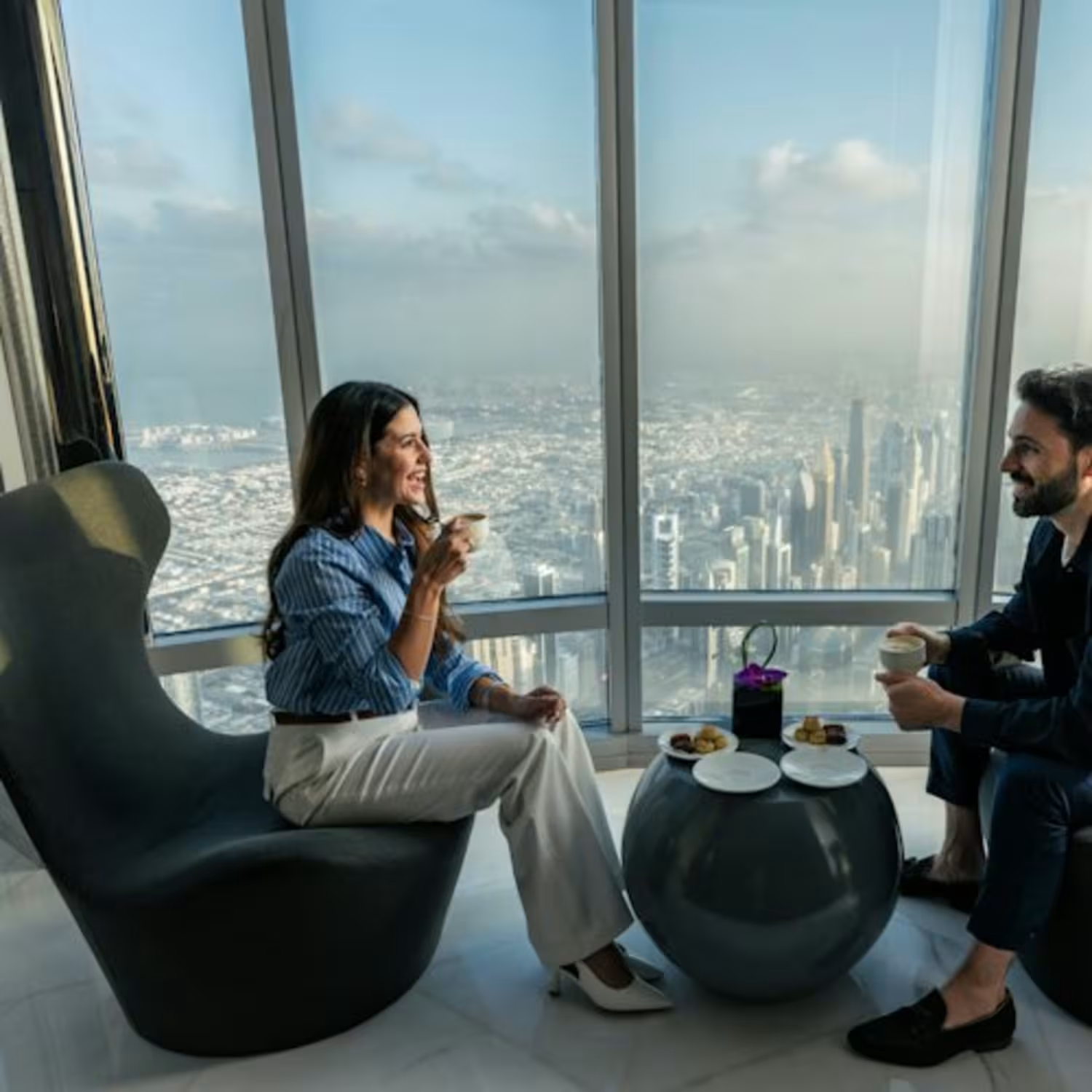
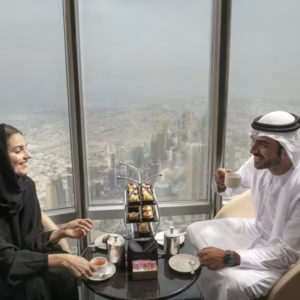
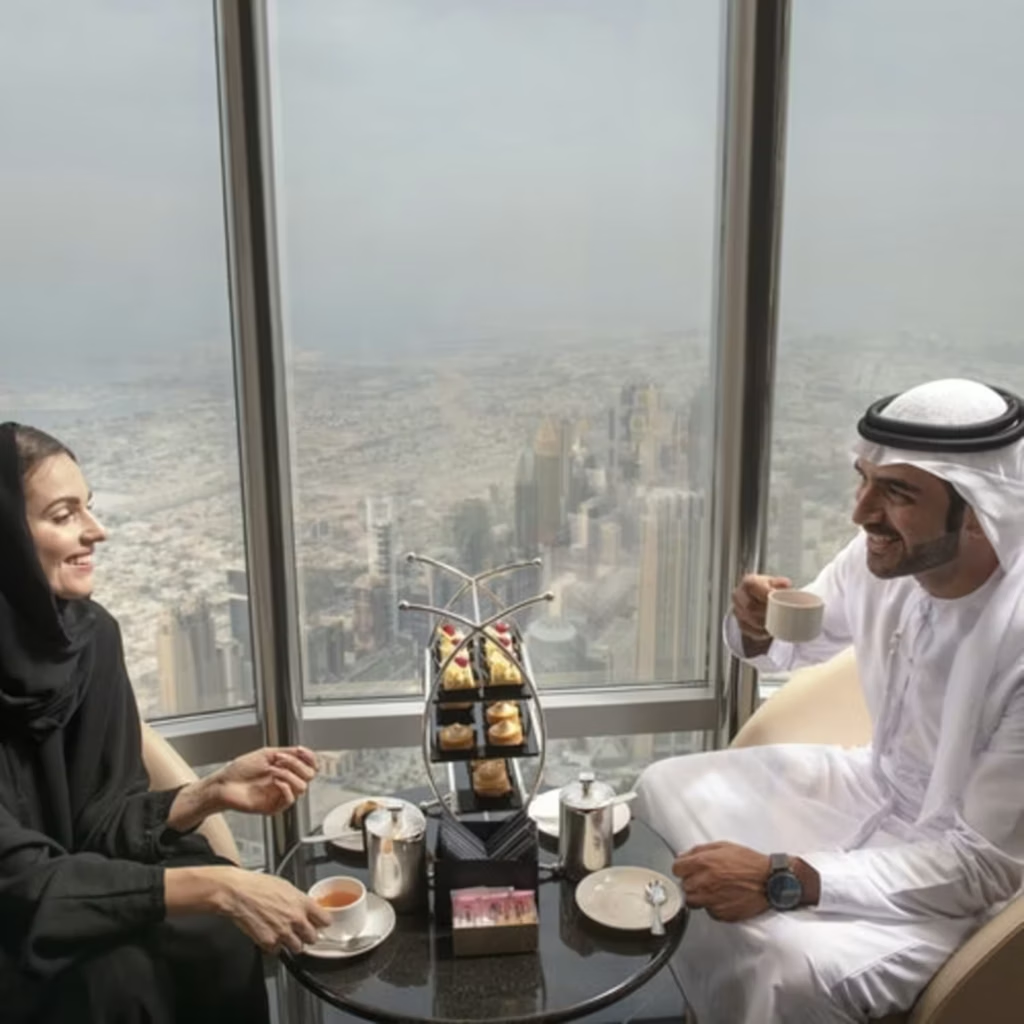
The Lounge, which opened in 2019 and is billed as the highest lounge in the world. It is booked separately from deck tickets.

The Records Burj Khalifa Holds

Height is only the headline. The tower holds a cluster of world records that follow from it. One of the oldest it broke belonged to the CN Tower in Toronto, which had held the record for the world's tallest self-supporting structure for 31 years before Burj Khalifa passed it during construction.

These are the records cited in the developer's fact sheet and by CTBUH:

  • Tallest building in the world, at 828 metres
  • Tallest man-made structure in the world
  • Most storeys in a single building, and the most habitable floors (160)
  • Highest occupied floor in the world, Level 160
  • Highest installation of an aluminium and glass facade, at 512 metres
  • Tallest service lift, running 504 metres
  • Record vertical concrete pumping during construction, to 605 metres in November 2007

How the Tower Was Built

Excavation began in January 2004, piling followed the next month and the concrete superstructure started rising in March 2005. Level 100 was reached in January 2007 and Level 141 in July 2007, when the unfinished tower overtook Taipei 101 as the tallest building in the world. Just 1,325 days after excavation started, it became the tallest man-made structure of any kind. The spire was jacked into place and the tower topped out in January 2009, and the cladding, begun in May 2007, was finished that September.

At peak, more than 12,000 workers from over 100 countries were on site, and the project used around 22 million man-hours. The materials list is just as large: about 330,000 cubic metres of concrete and 39,000 tonnes of reinforcing steel. The foundations rest on 192 piles buried more than 50 metres deep beneath a 3.7 metre thick concrete mat, which alone took 12,500 cubic metres of concrete poured in four stages.

The tower was called Burj Dubai while it was going up. At the opening ceremony it was renamed Burj Khalifa in honour of Sheikh Khalifa bin Zayed Al Nahyan, then President of the UAE. "Burj" simply means tower in Arabic.

Why the Shape Lets It Stand So Tall

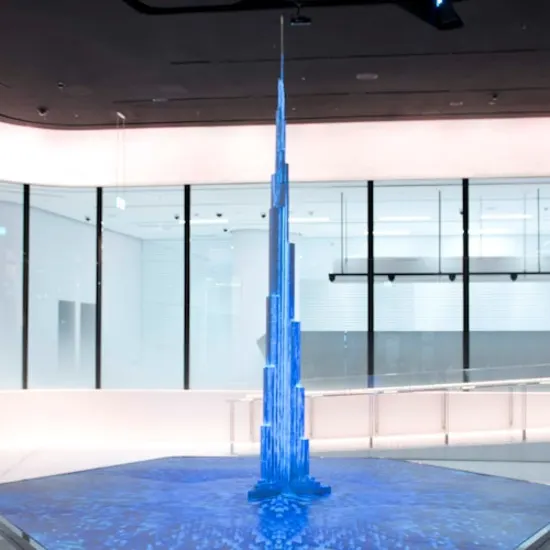
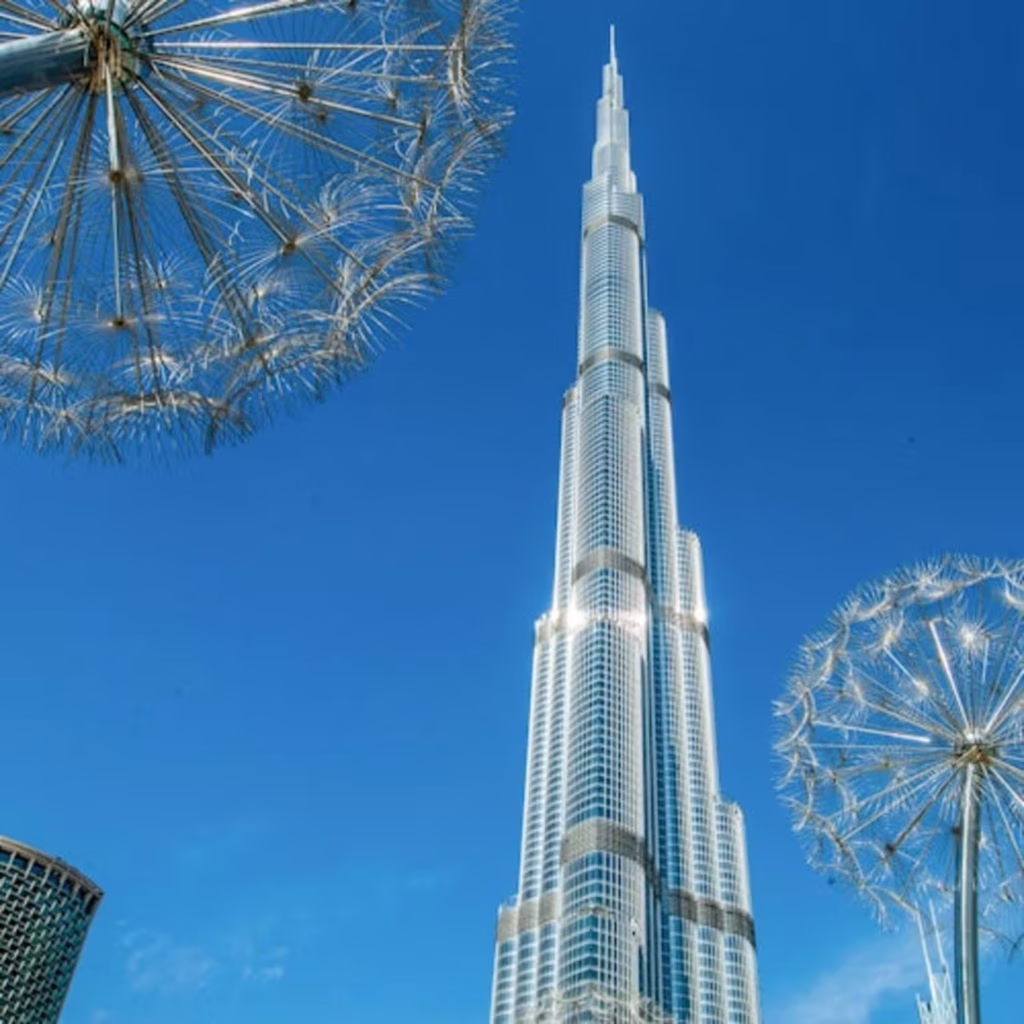
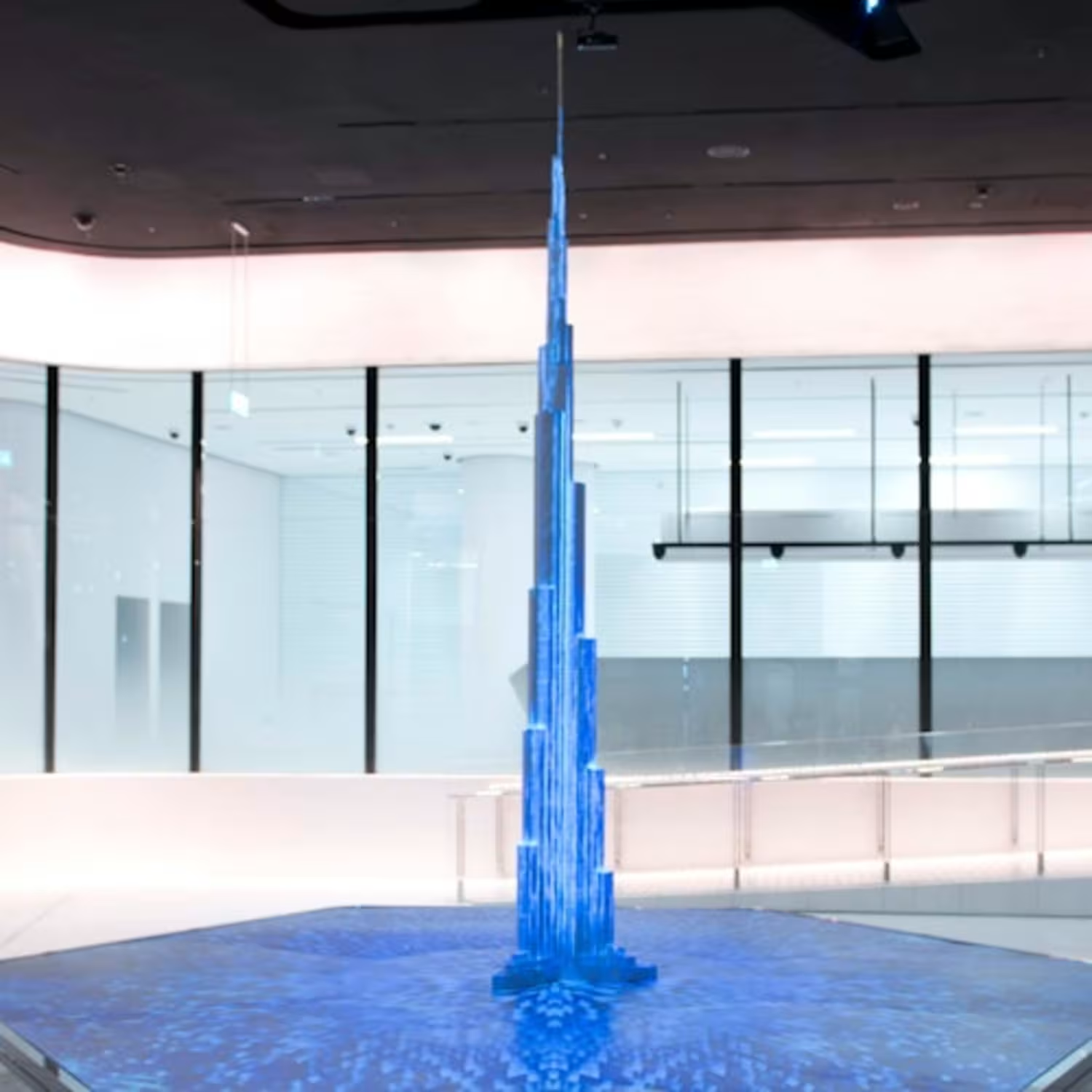
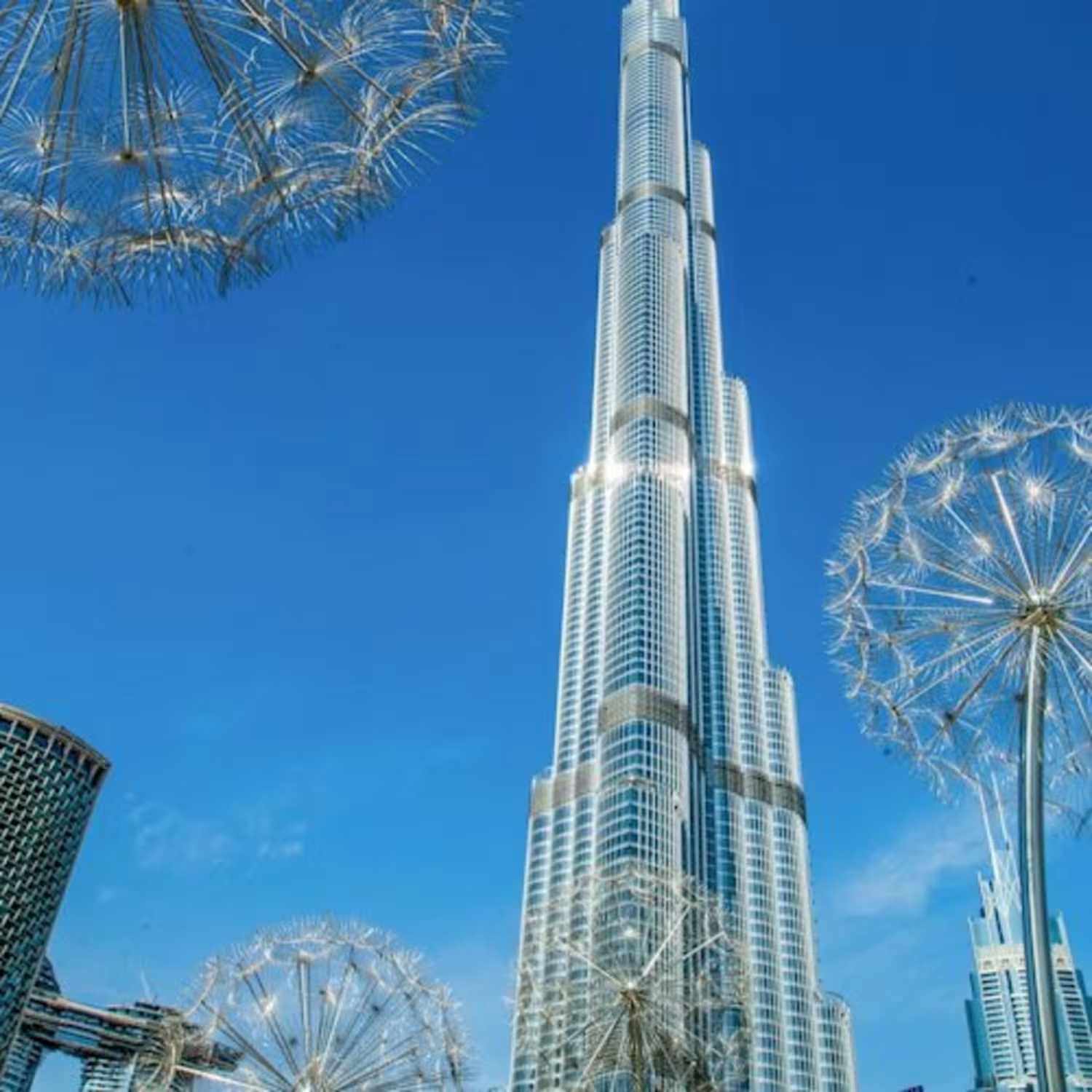
The design came from the Chicago office of Skidmore, Owings & Merrill, with Adrian Smith as design partner. Its Y-shaped floor plan takes its cue from the Hymenocallis, a desert flower native to the region, but the shape does real structural work: three wings brace a central core, a system the engineers call a buttressed core.

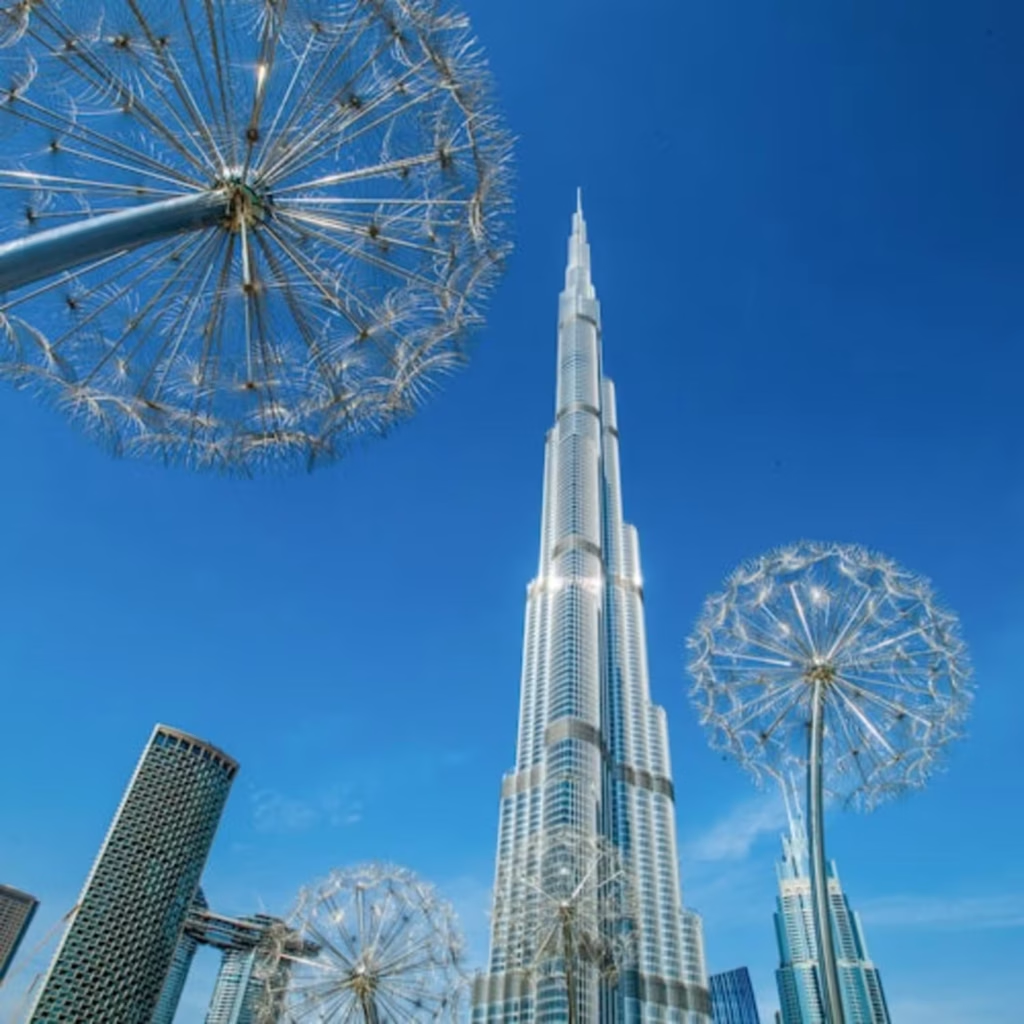
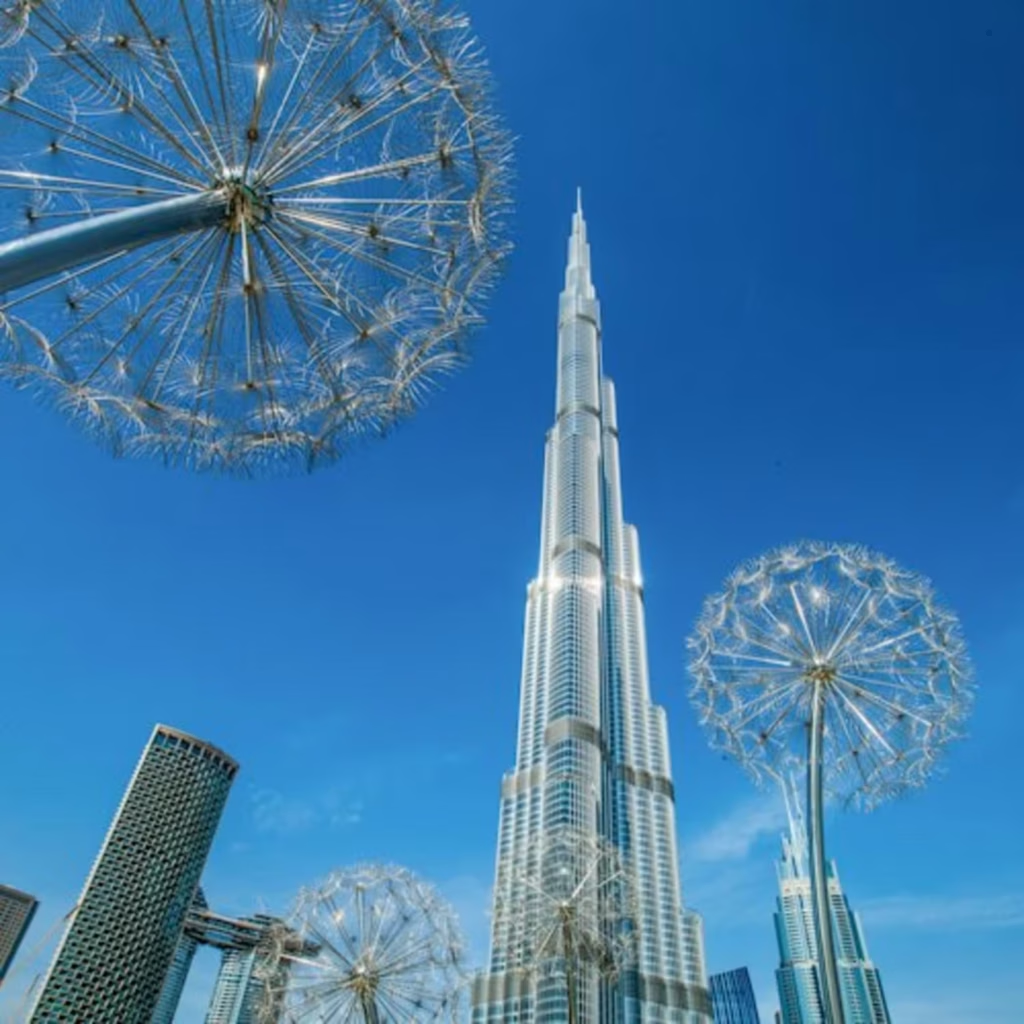
As the tower rises, the wings step back one after another in a spiral pattern of 27 setbacks, so the building gets narrower towards the top and each step creates a terrace. Those setbacks, together with the three wings, help the tower handle the wind at this height. Even so, the very top sways by about 1.5 metres in total.

Every 30 storeys there is a double-height mechanical floor holding the plant and equipment that keep the tower running, seven in all. The top of the tower is also noticeably cooler than the street: the air near the summit is thought to be around 6 degrees Celsius cooler than at the base.

The Lifts and the Stairs

Burj Khalifa runs 57 lifts and 8 escalators. The observatory lifts are double-deck cabins that travel at 10 metres per second, carrying 12 to 14 passengers per cab, and the ride from the ground to Level 124 takes about a minute. For most visitors that ride is the first sense of just how far up the decks are.

For anyone wondering about the stairs, there are 2,909 steps from the ground to Level 160. Pressurised, air-conditioned refuge areas are spaced roughly every 25 floors for emergencies. Keeping the facade clean is its own operation: 18 permanently installed, cradle-equipped maintenance units work the exterior, and a full clean takes around four months.

Which Levels You Can Visit, and How They Compare
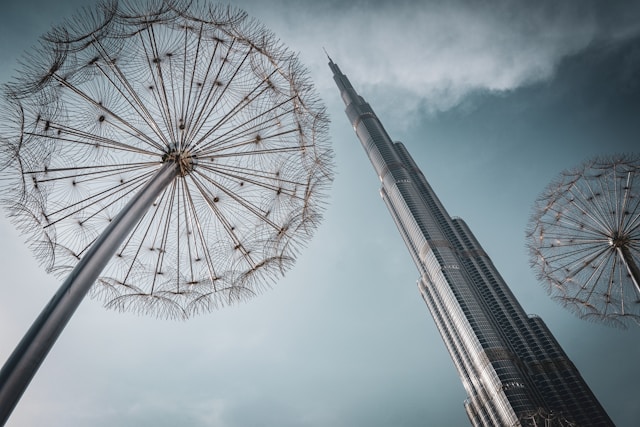
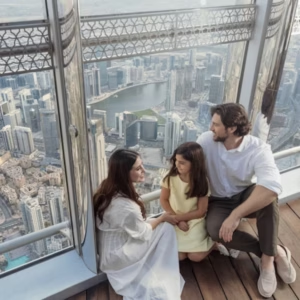
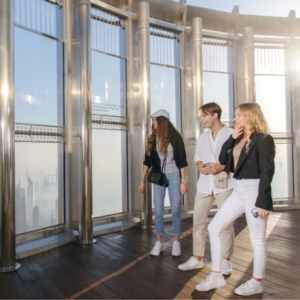
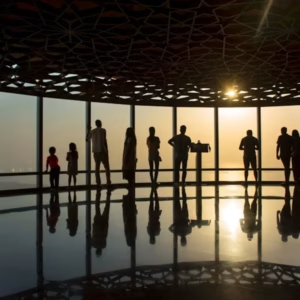
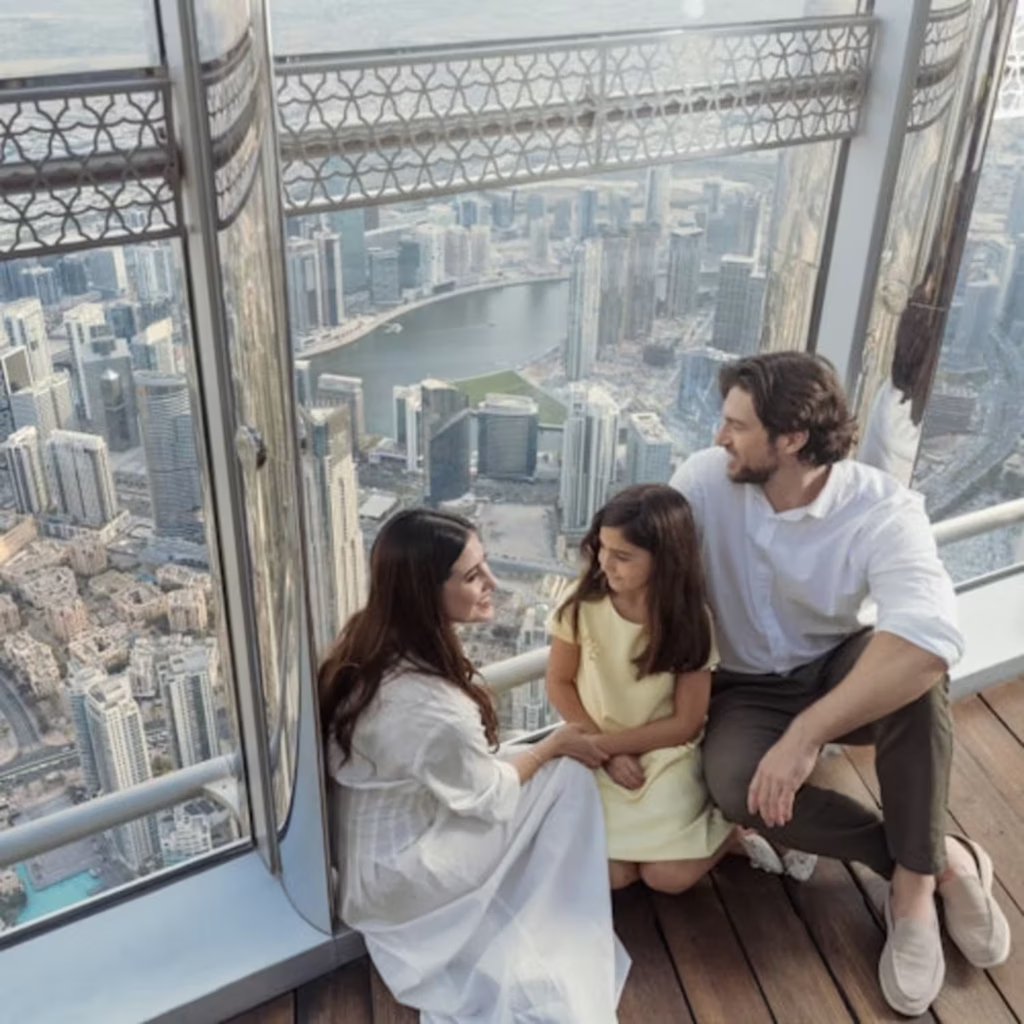
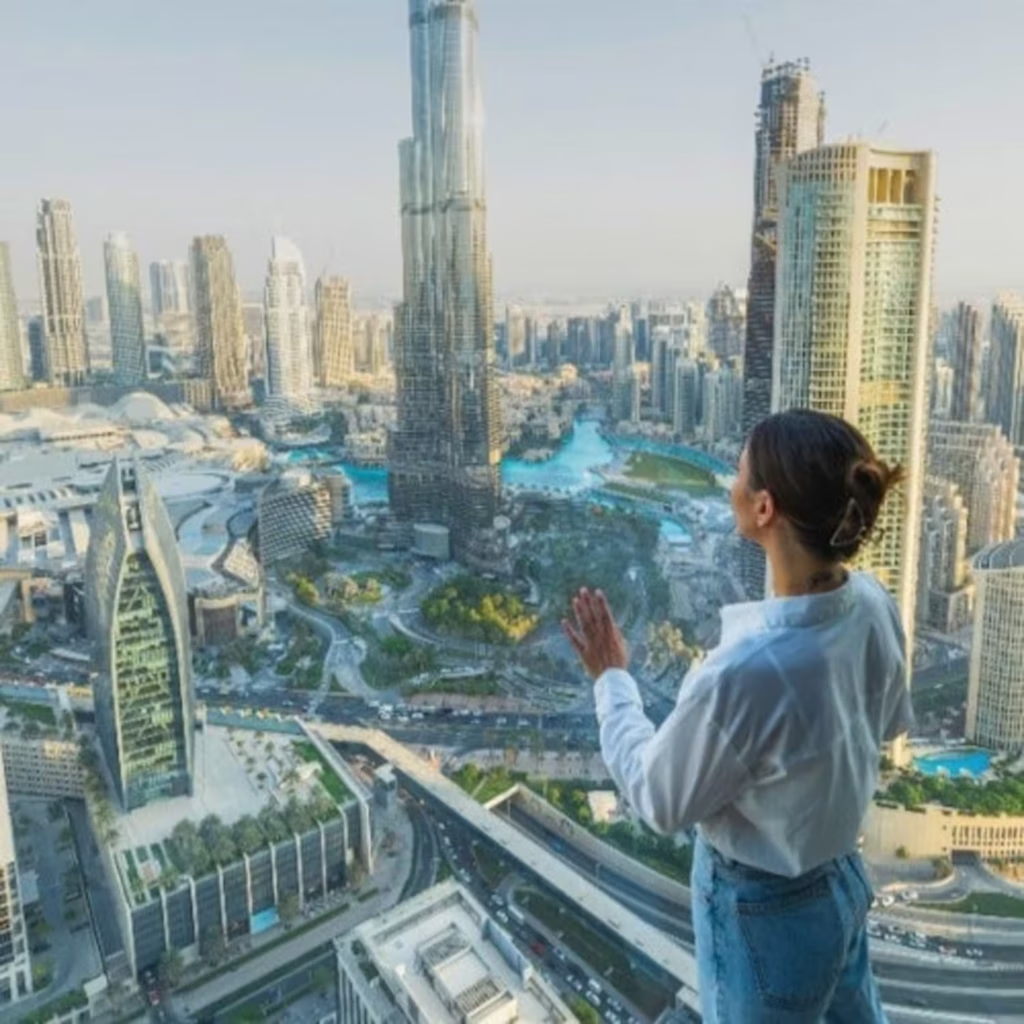
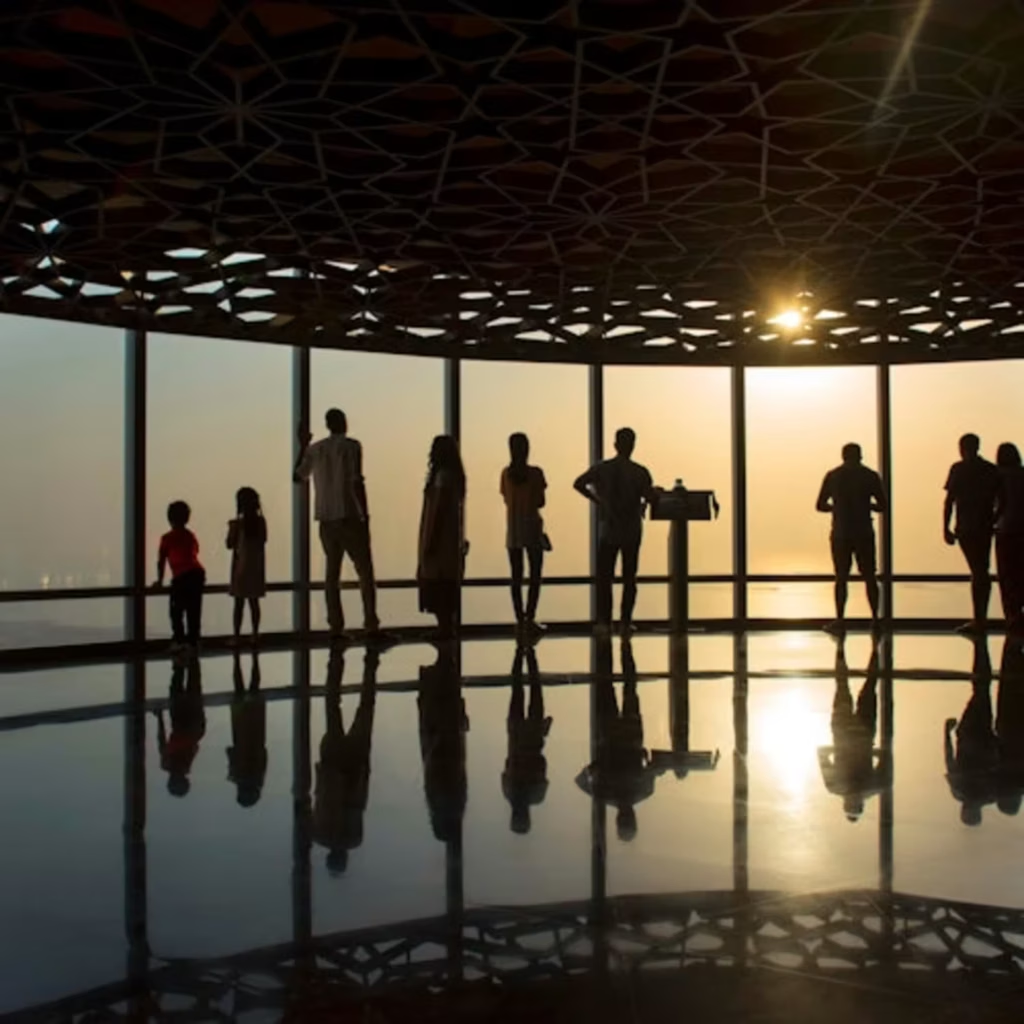
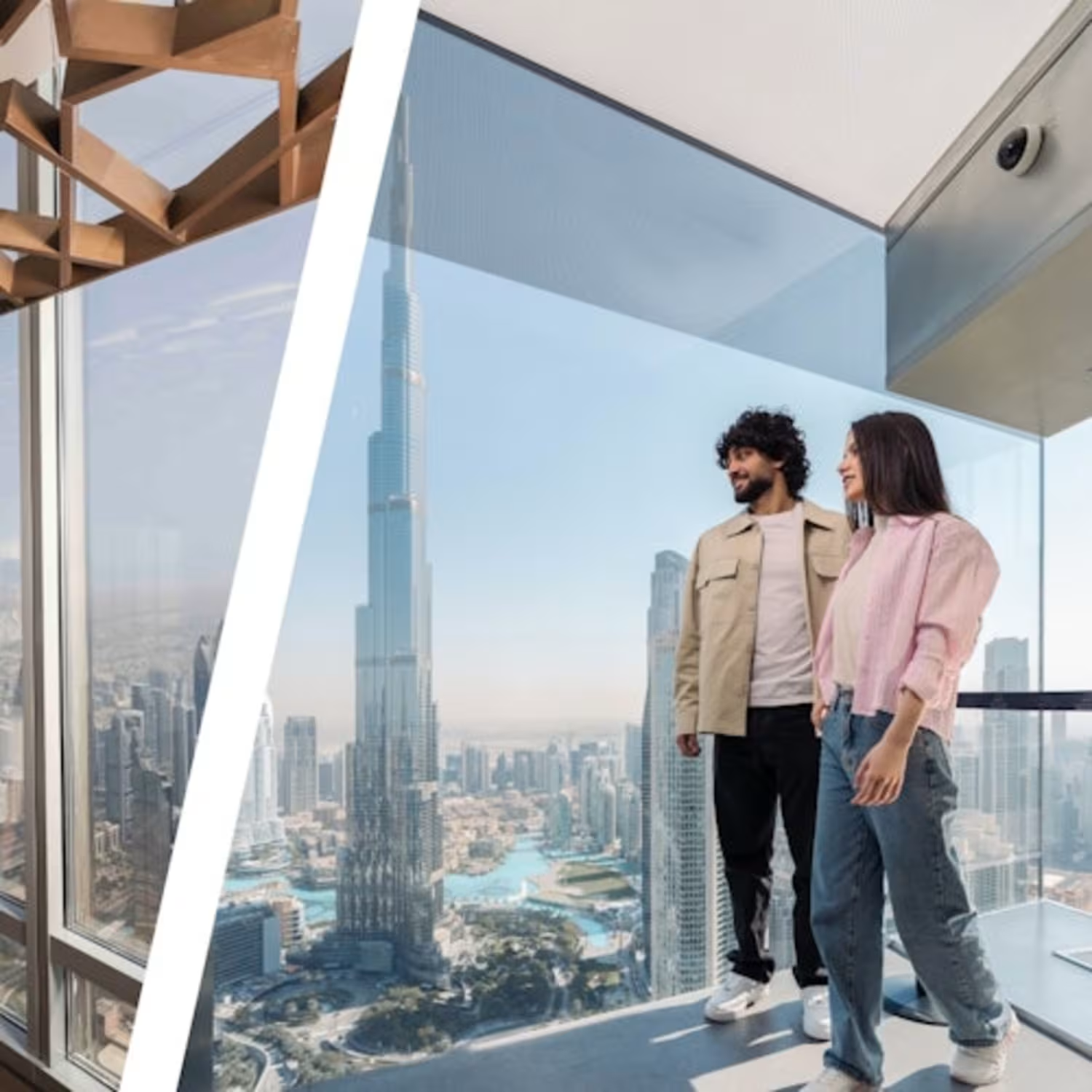
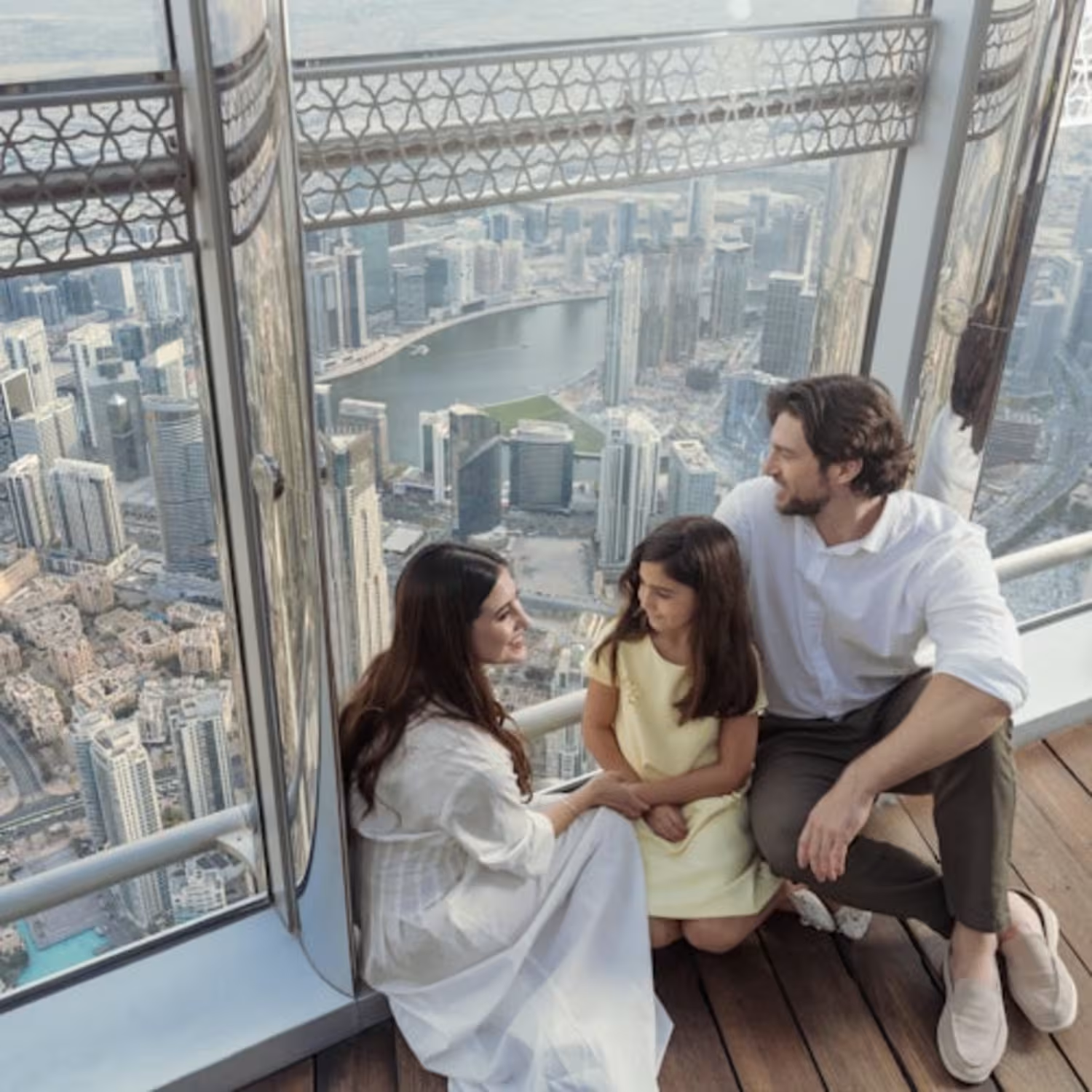
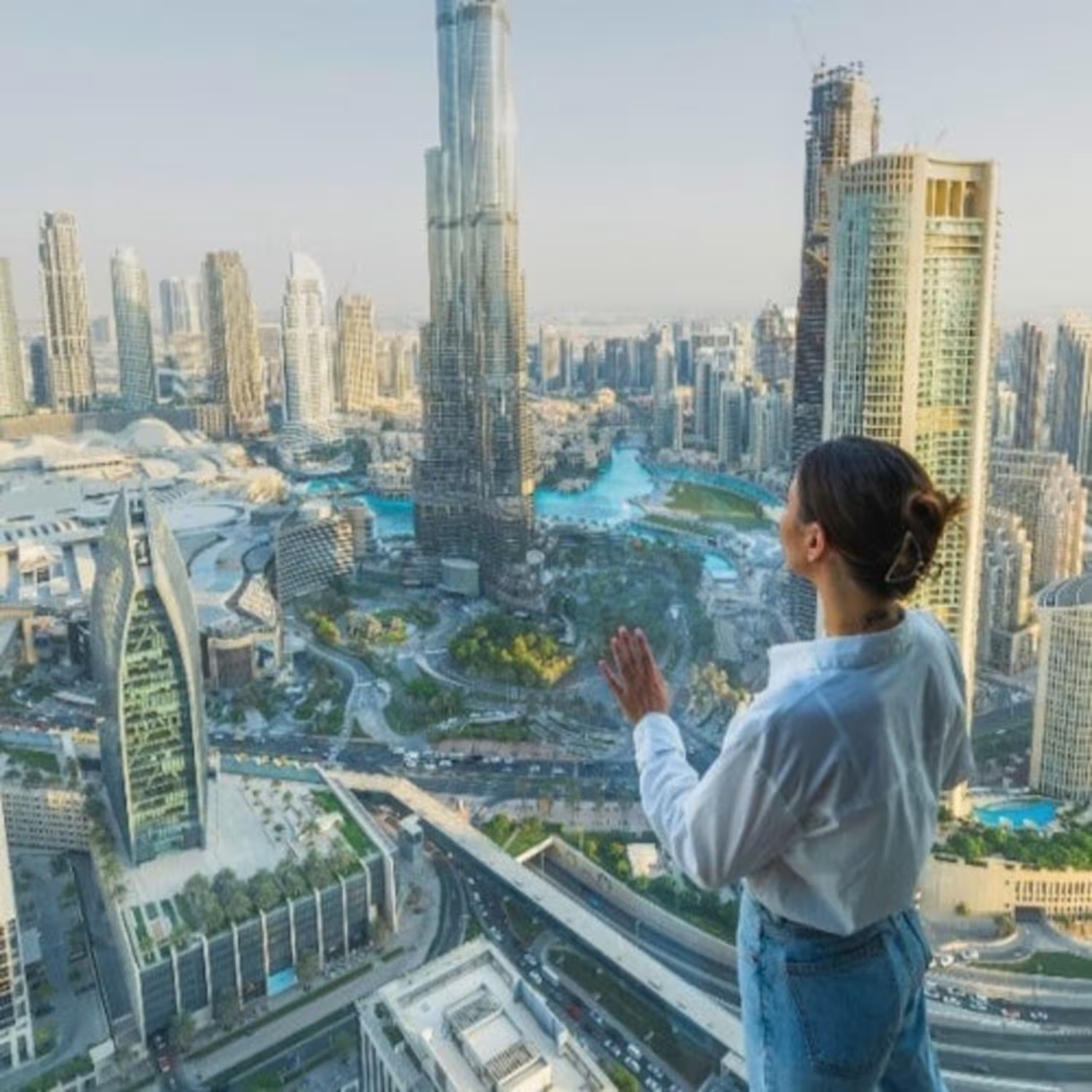
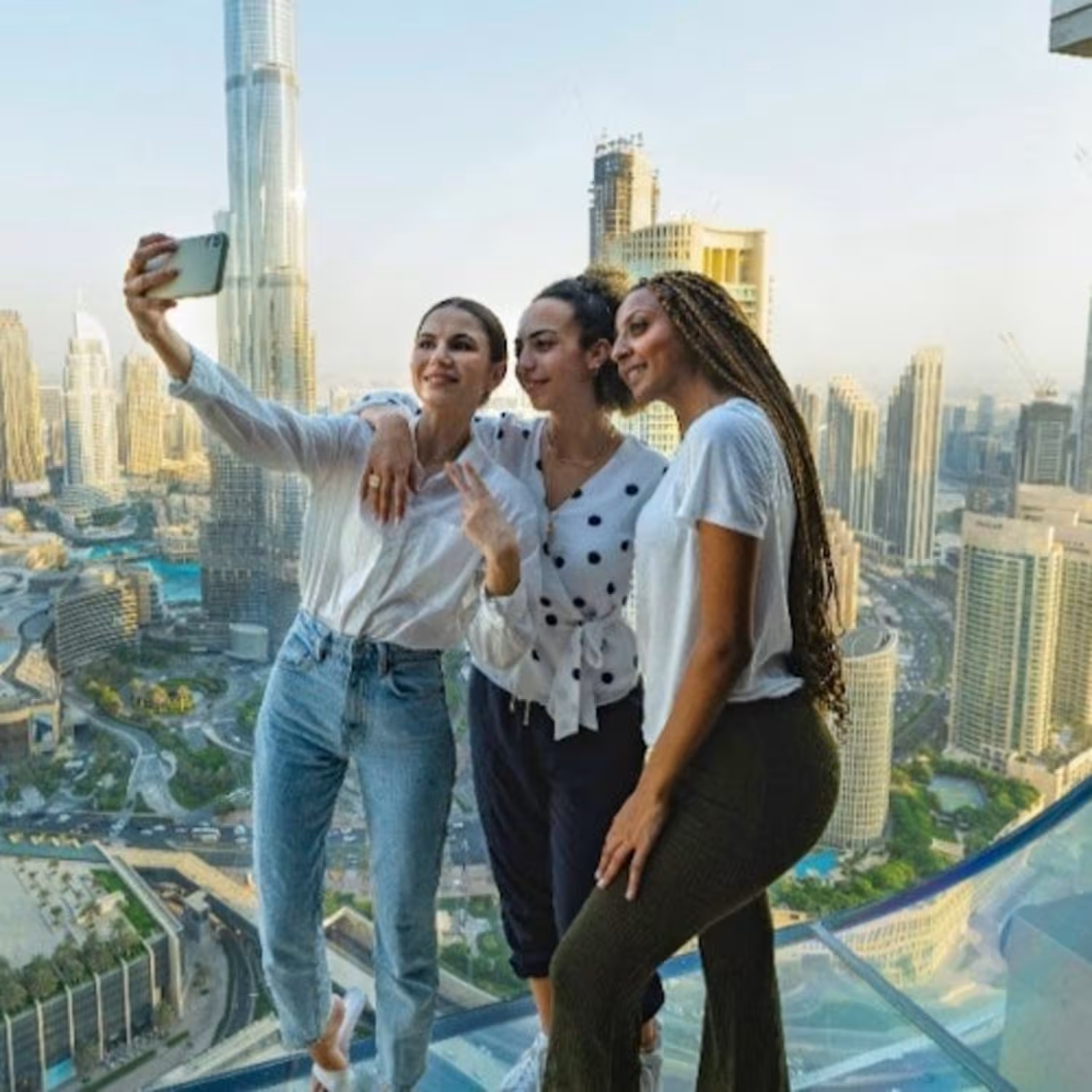
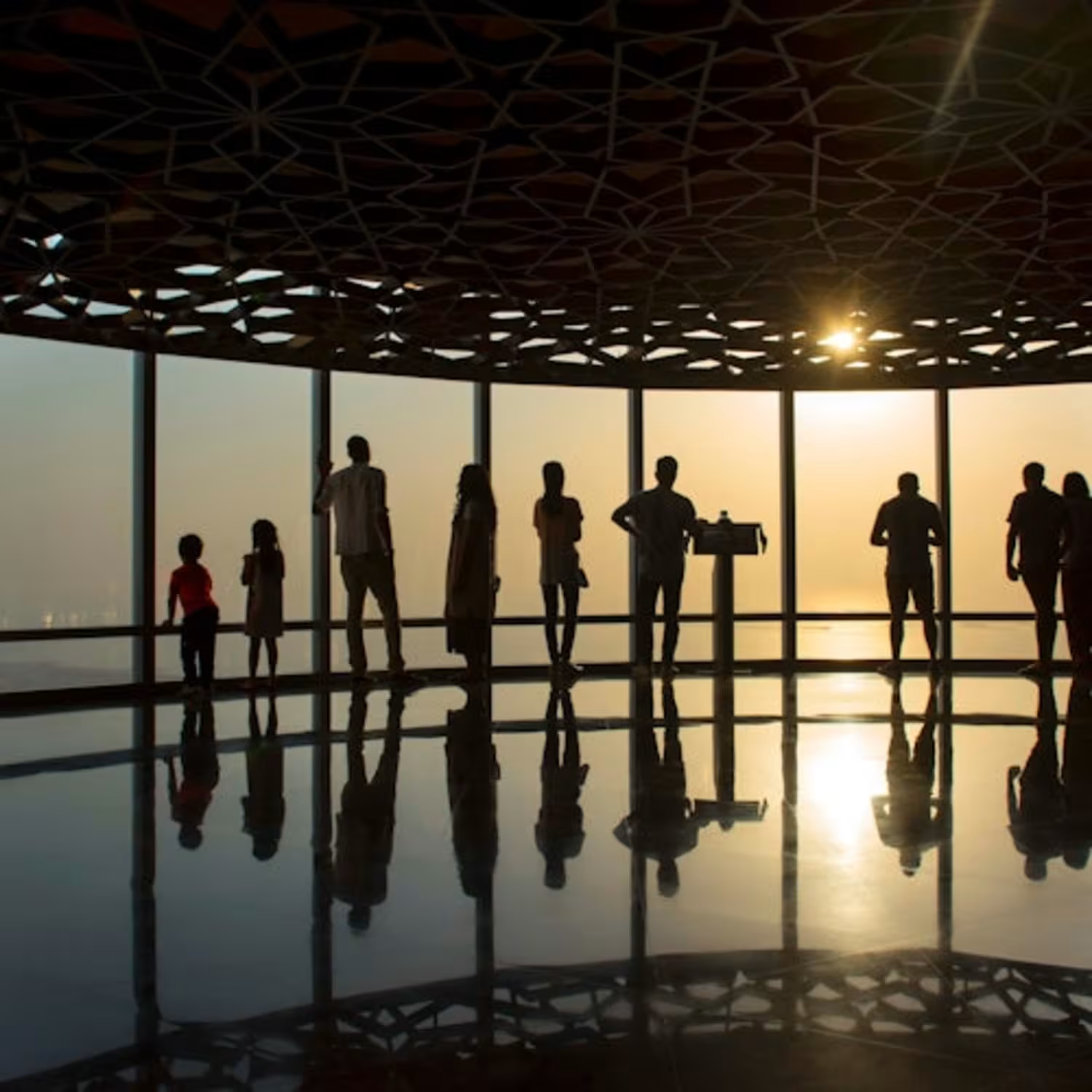
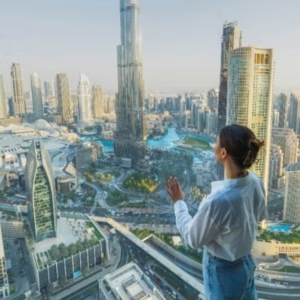
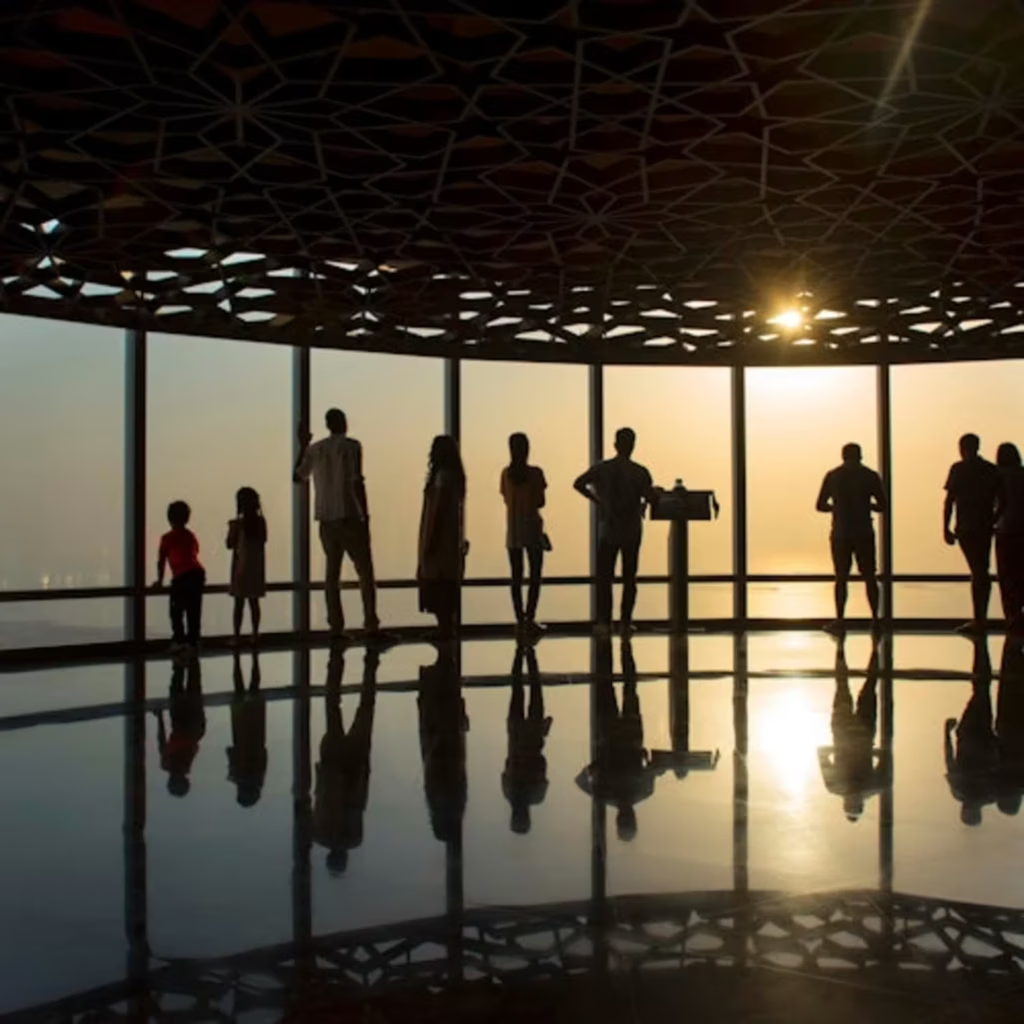
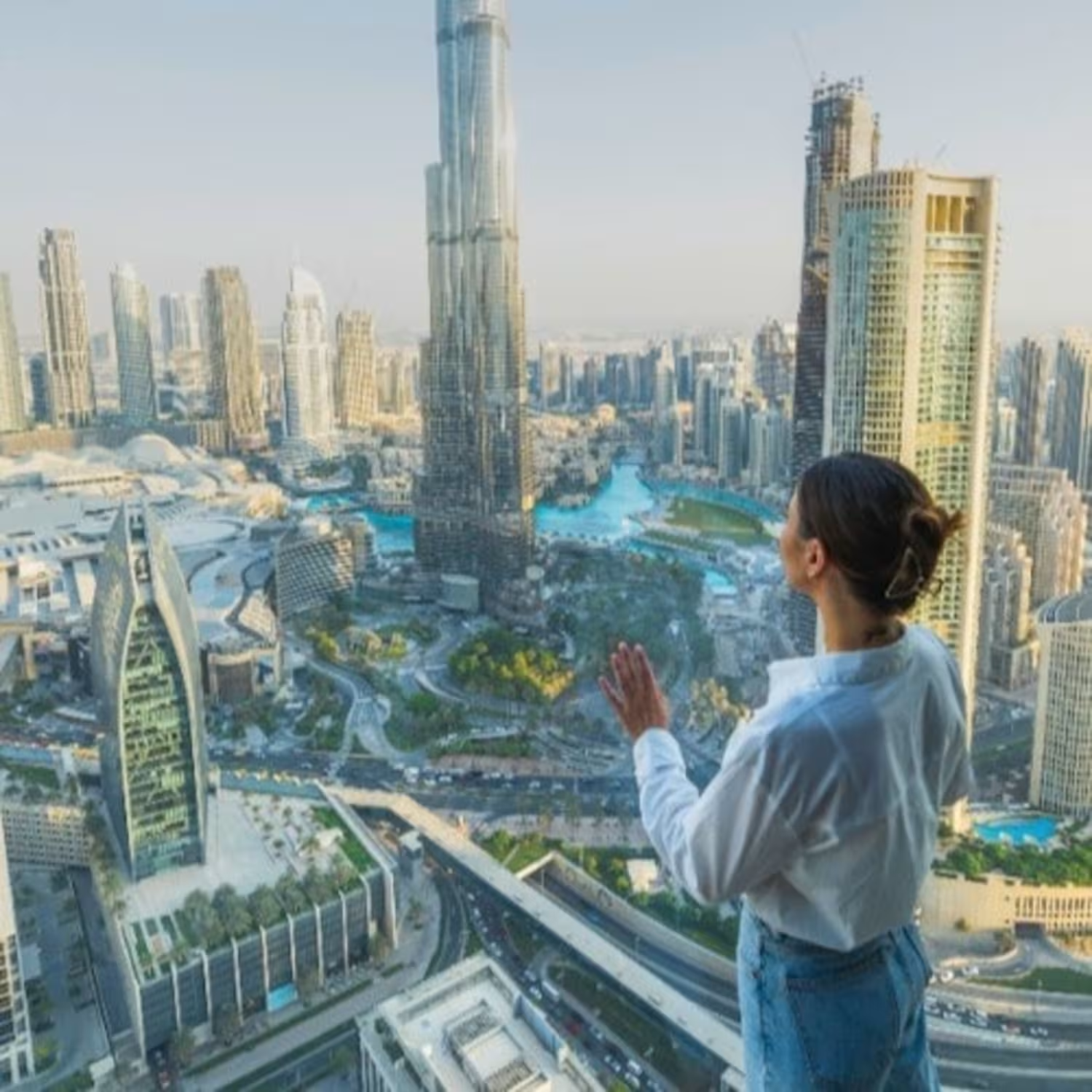
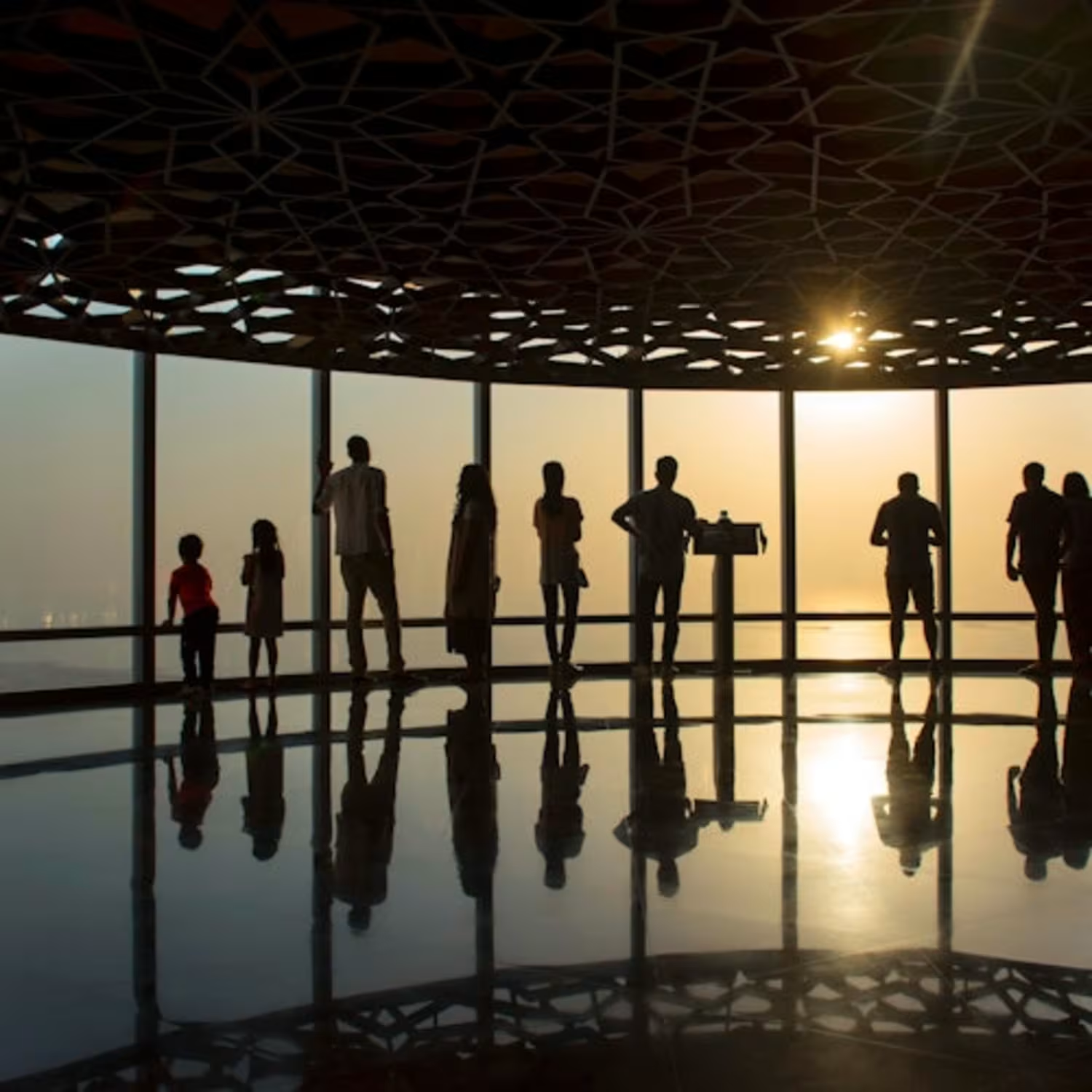
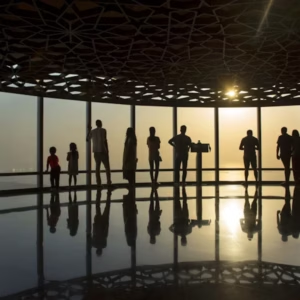
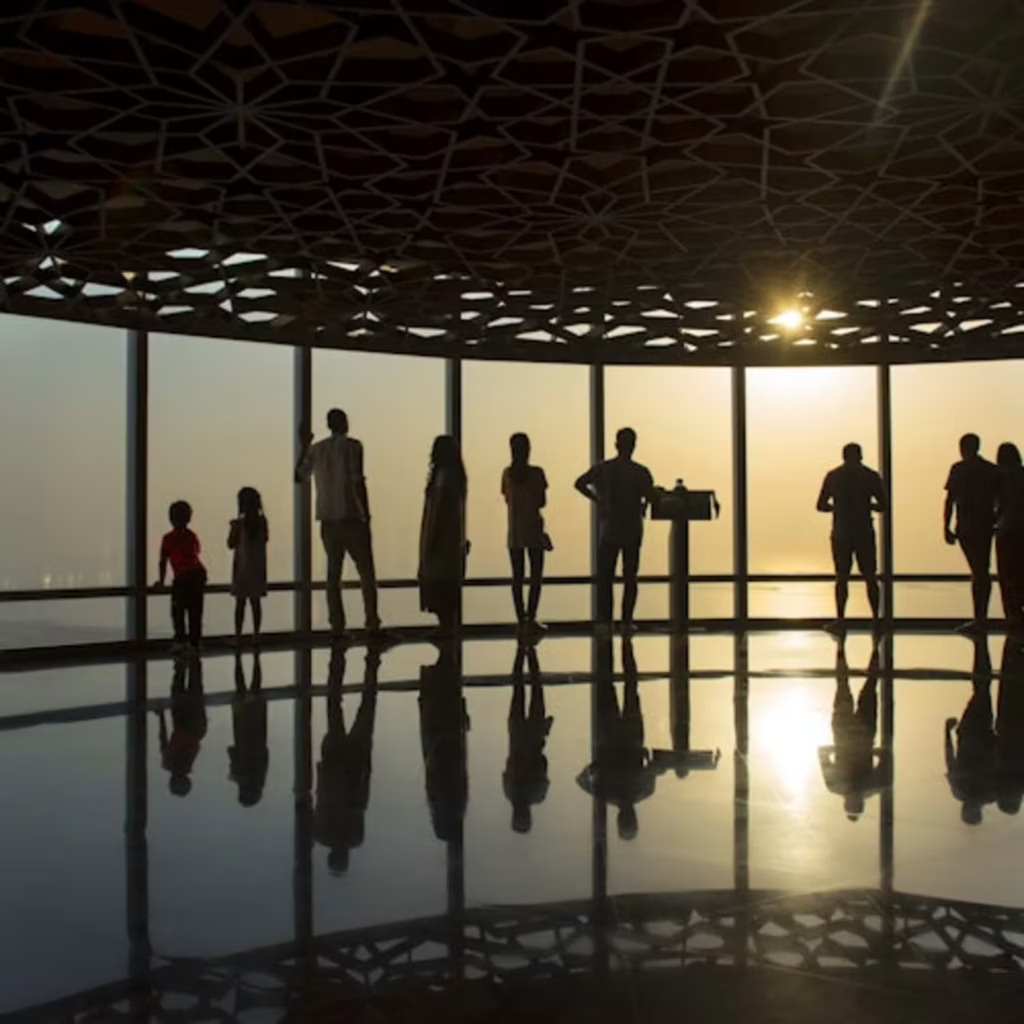
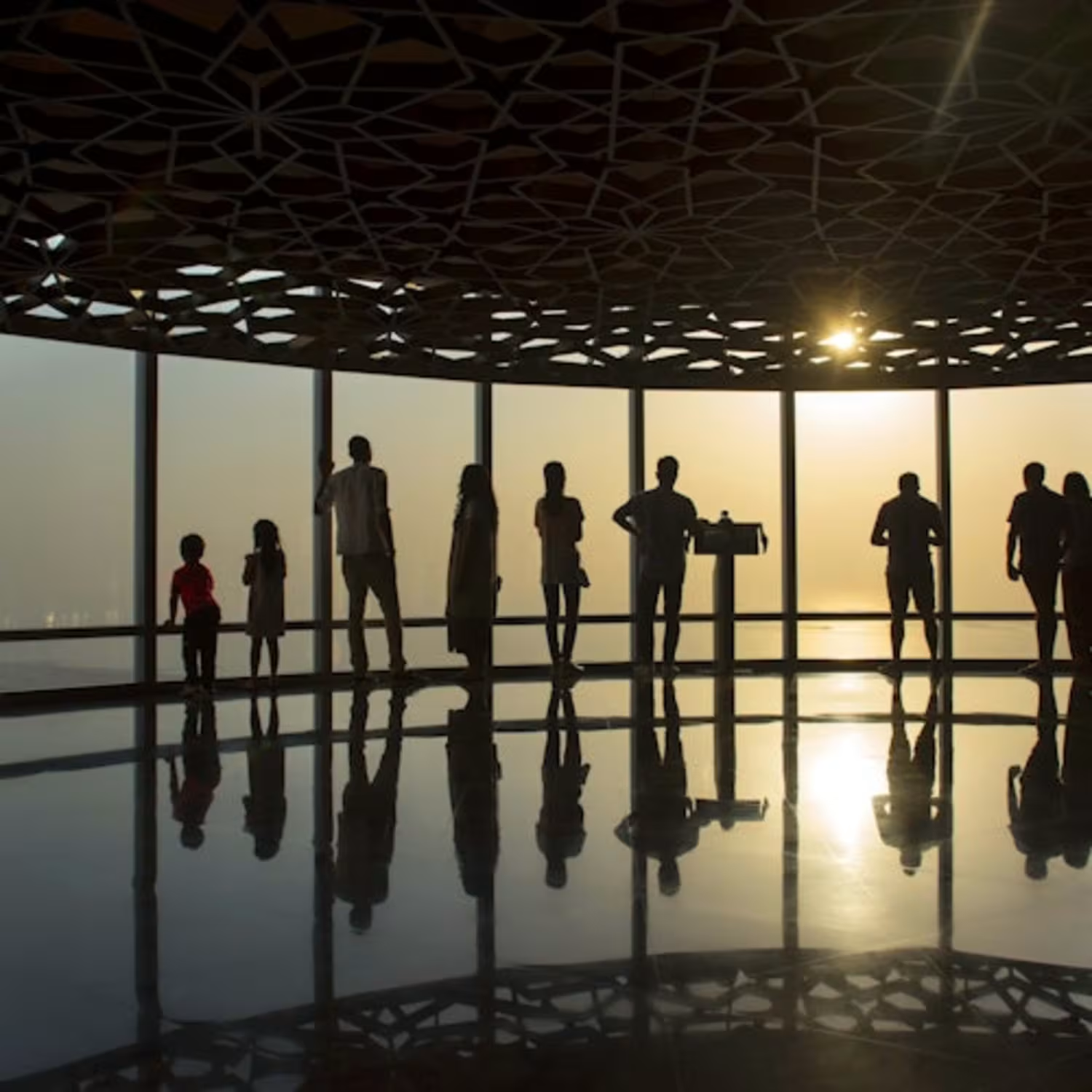
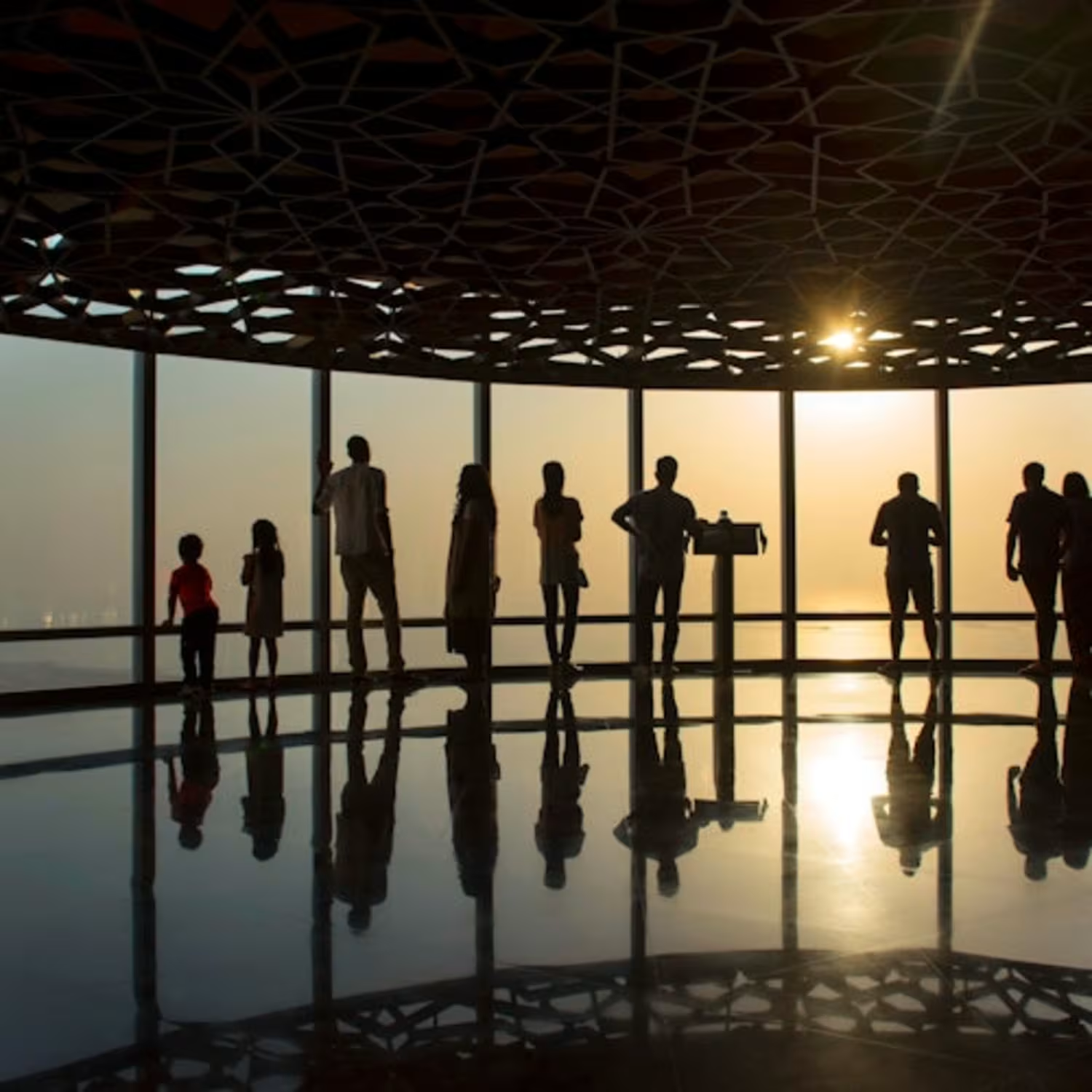
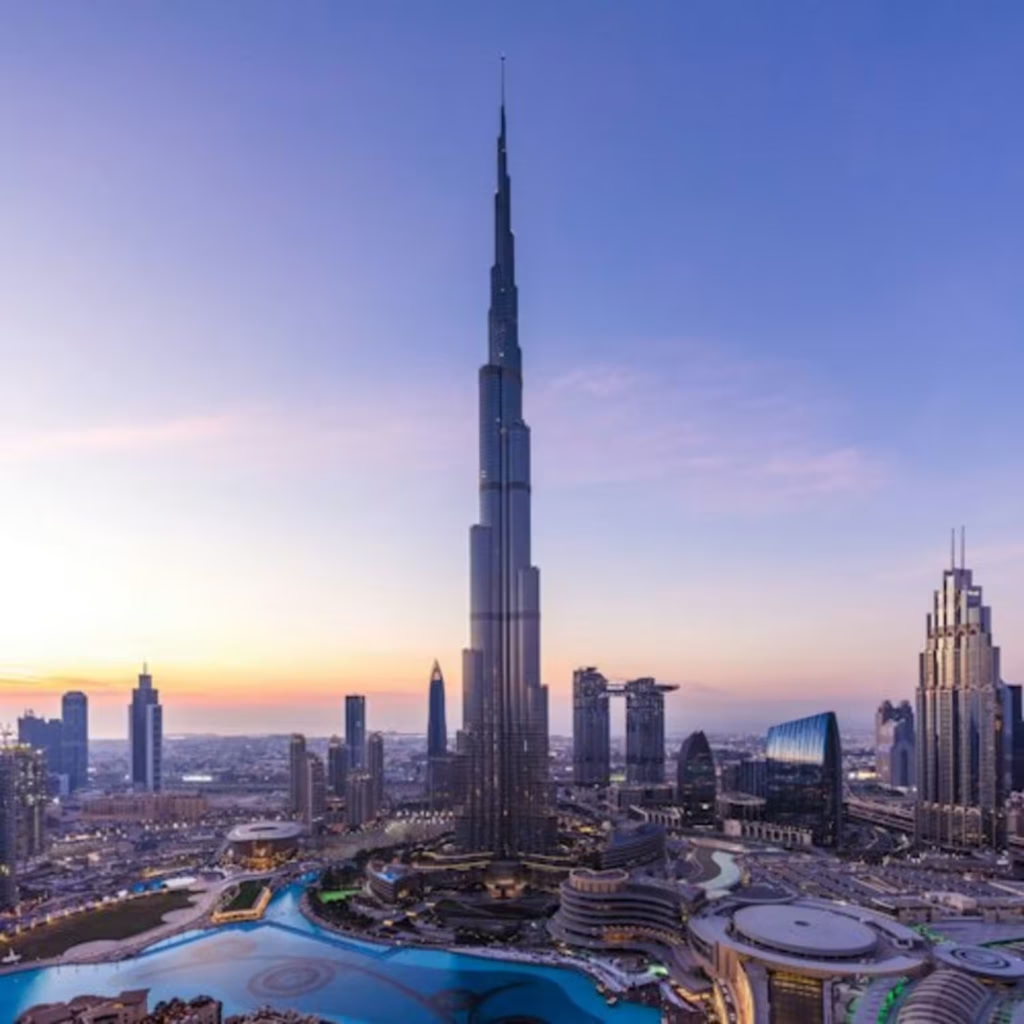
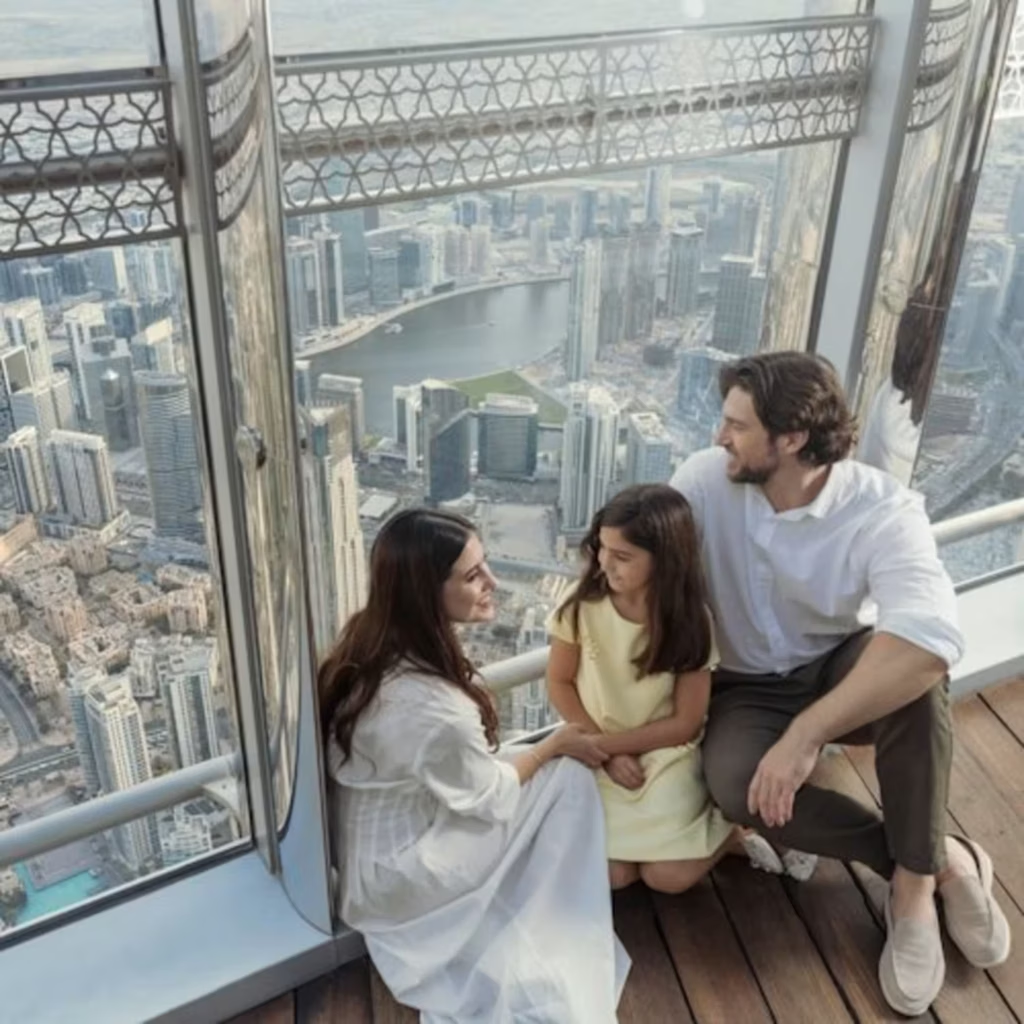
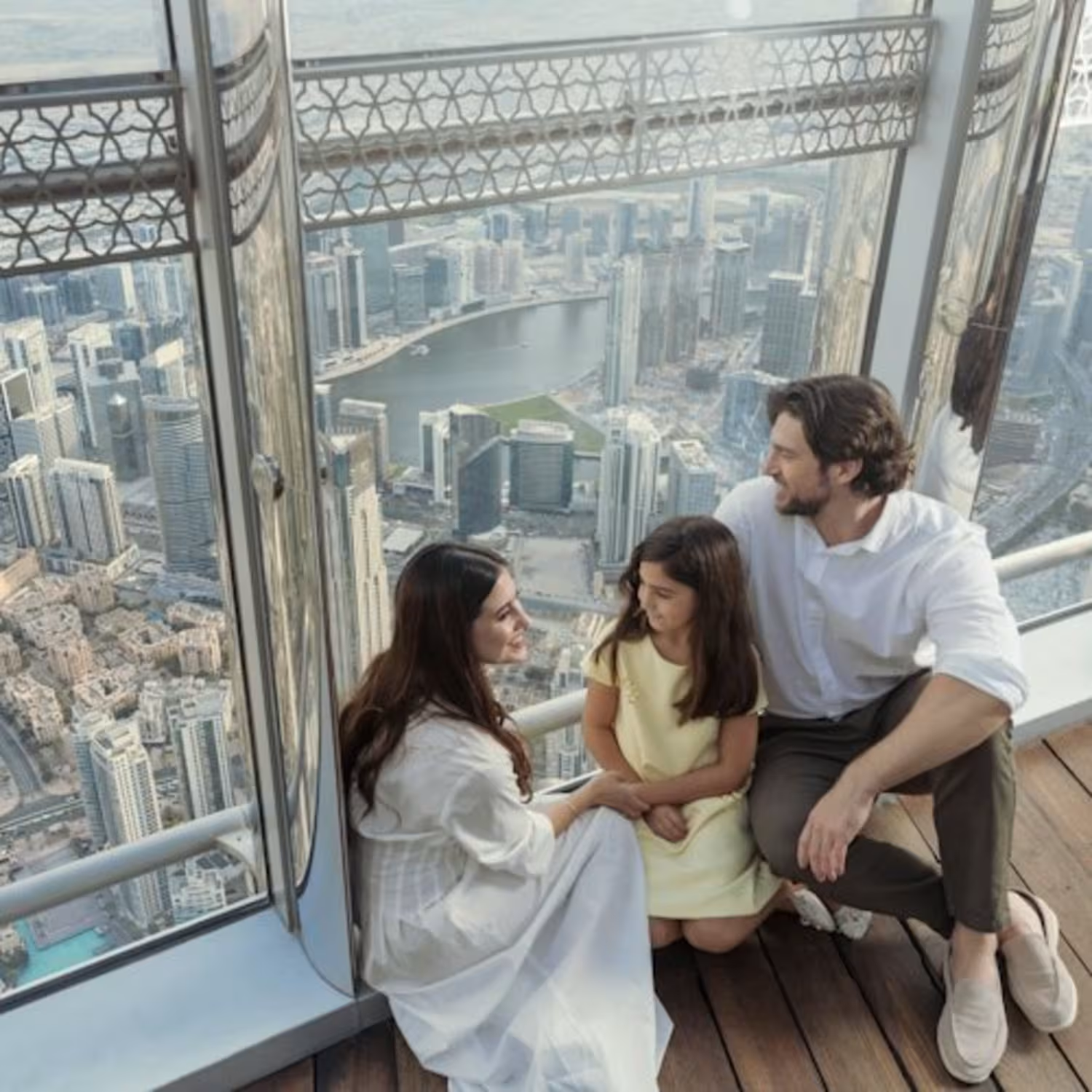
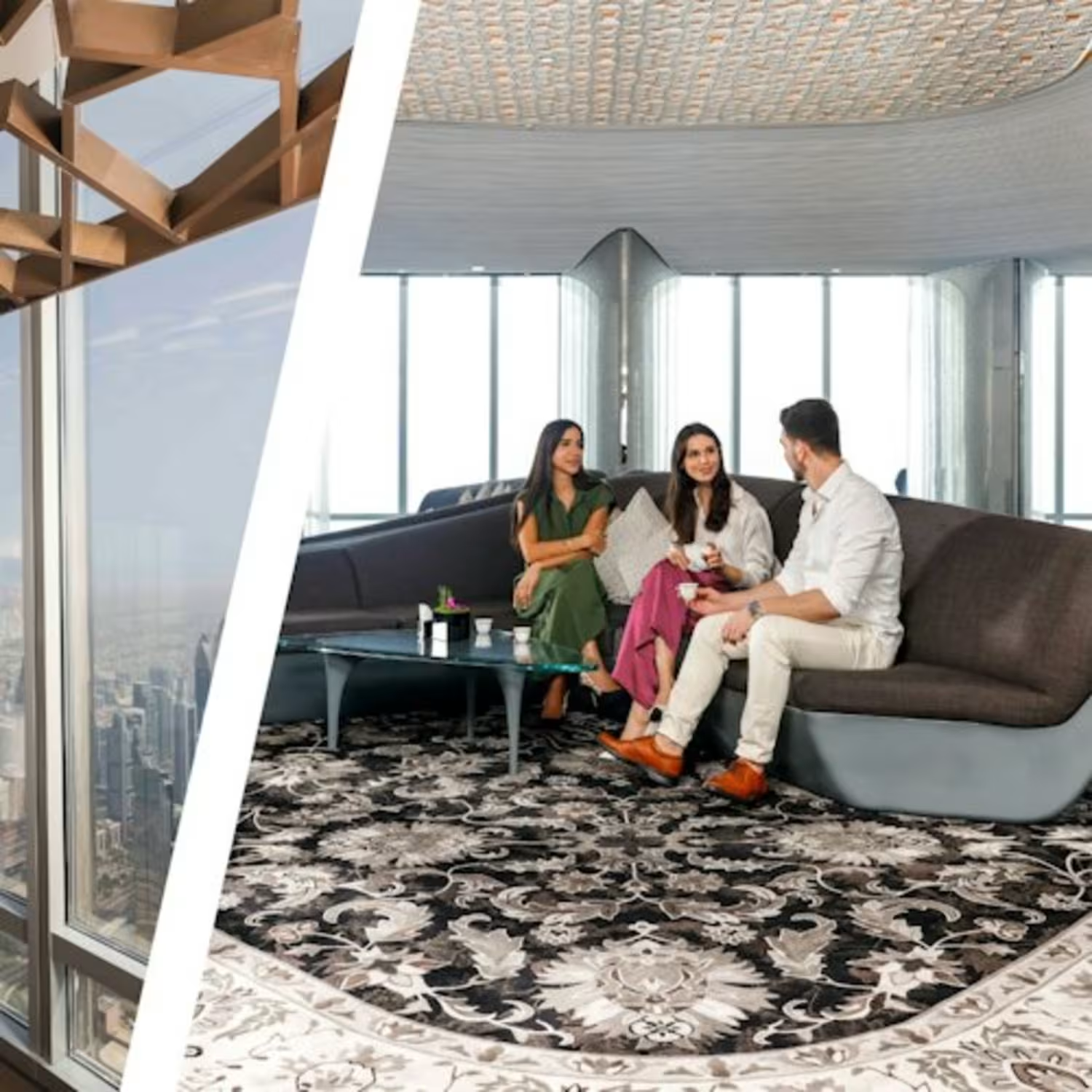
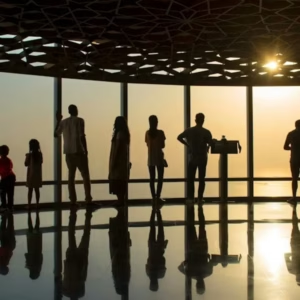
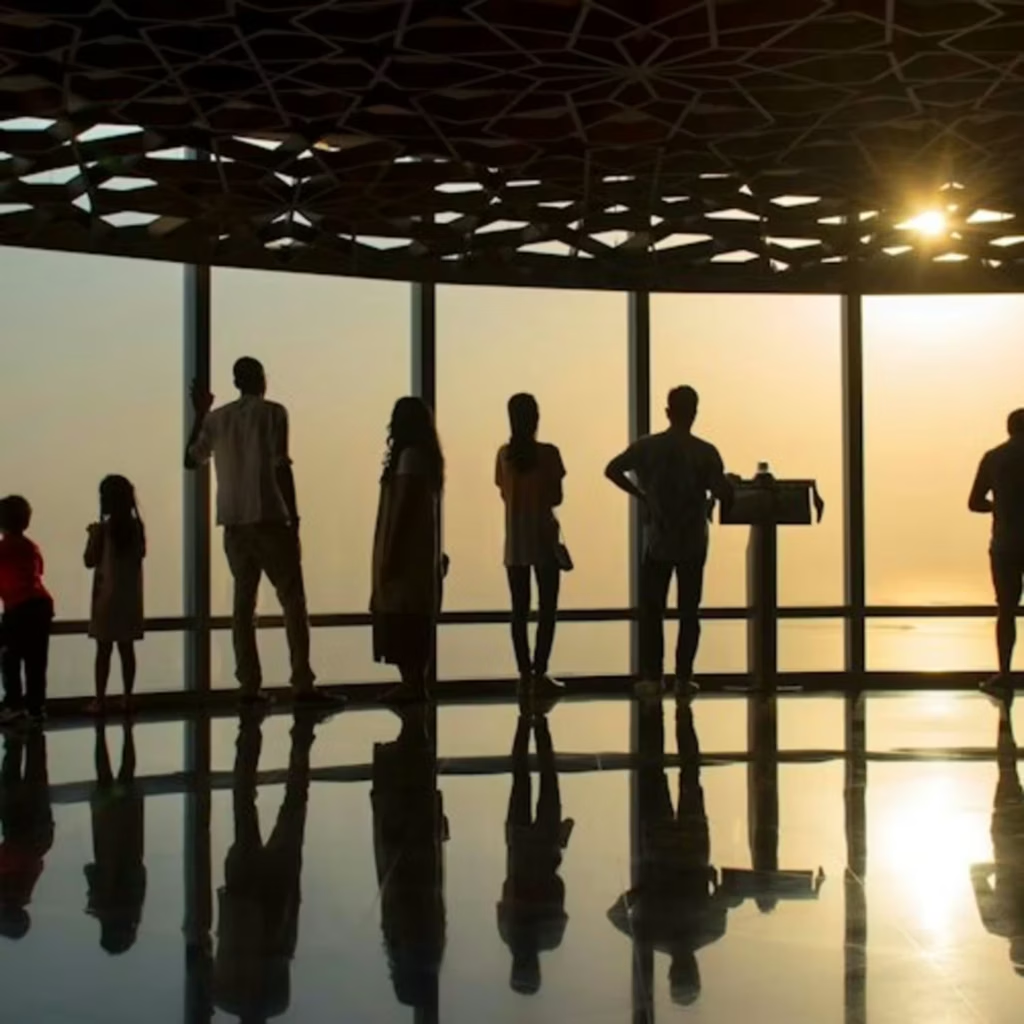
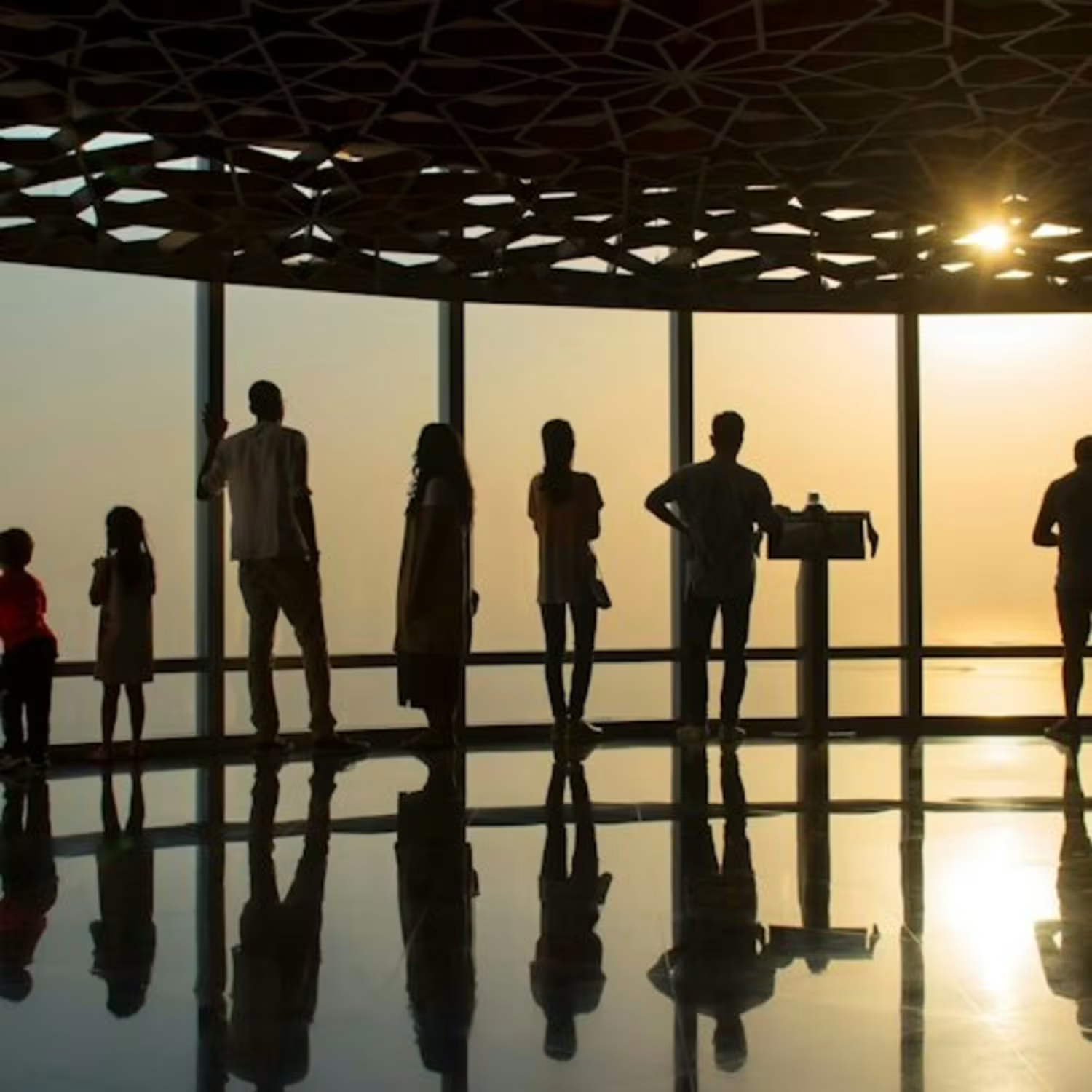
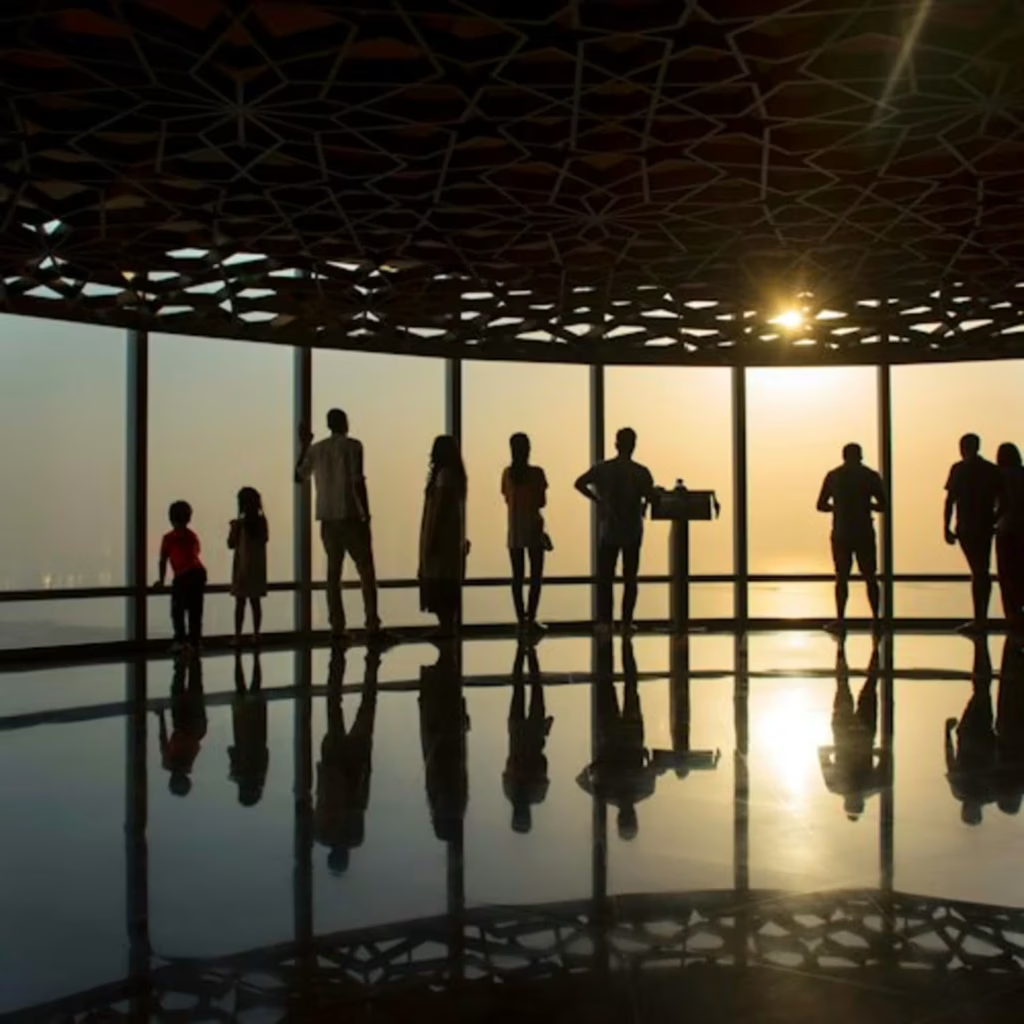
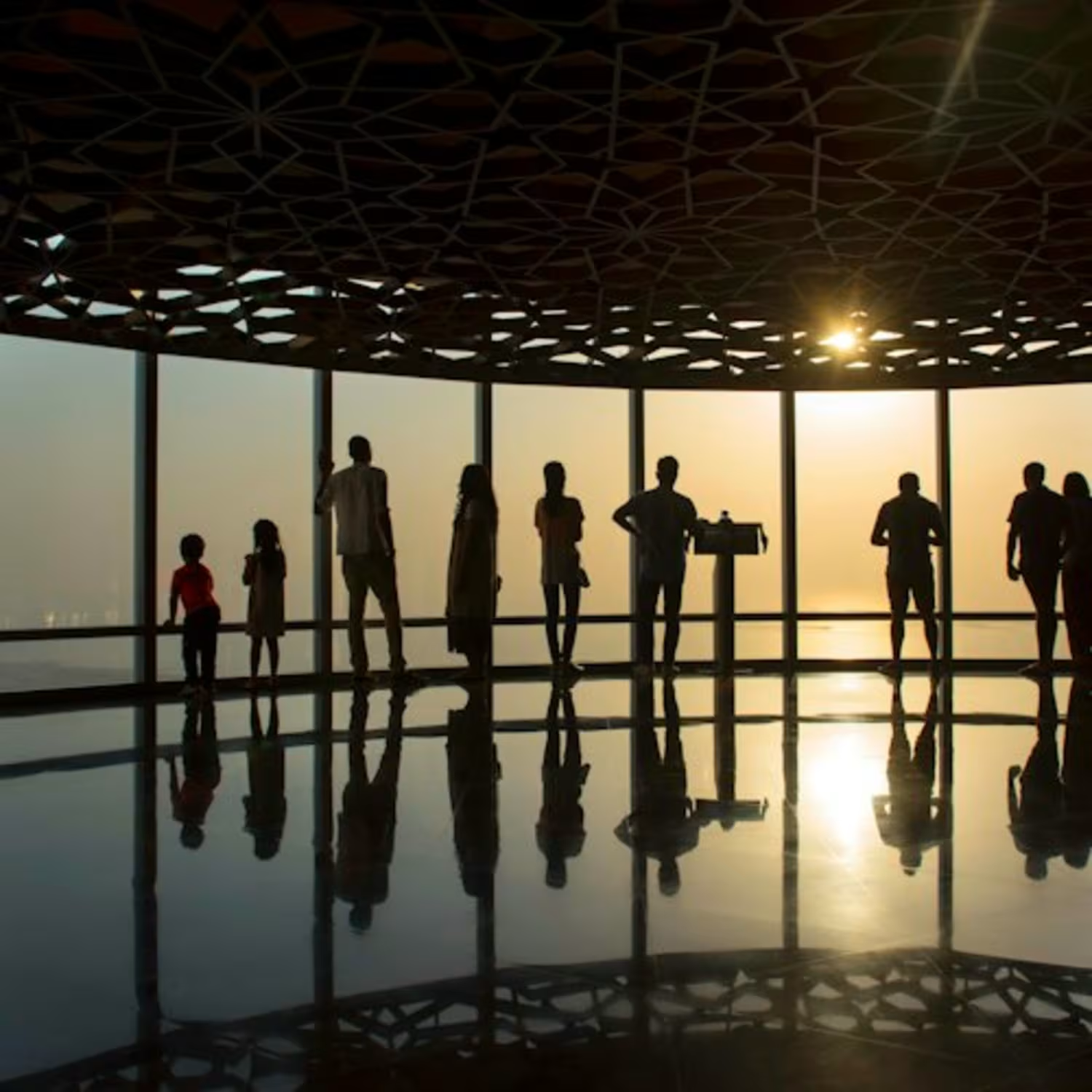
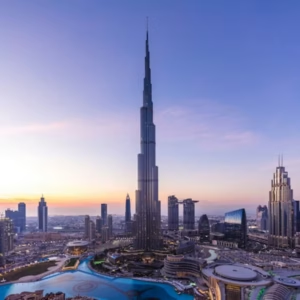
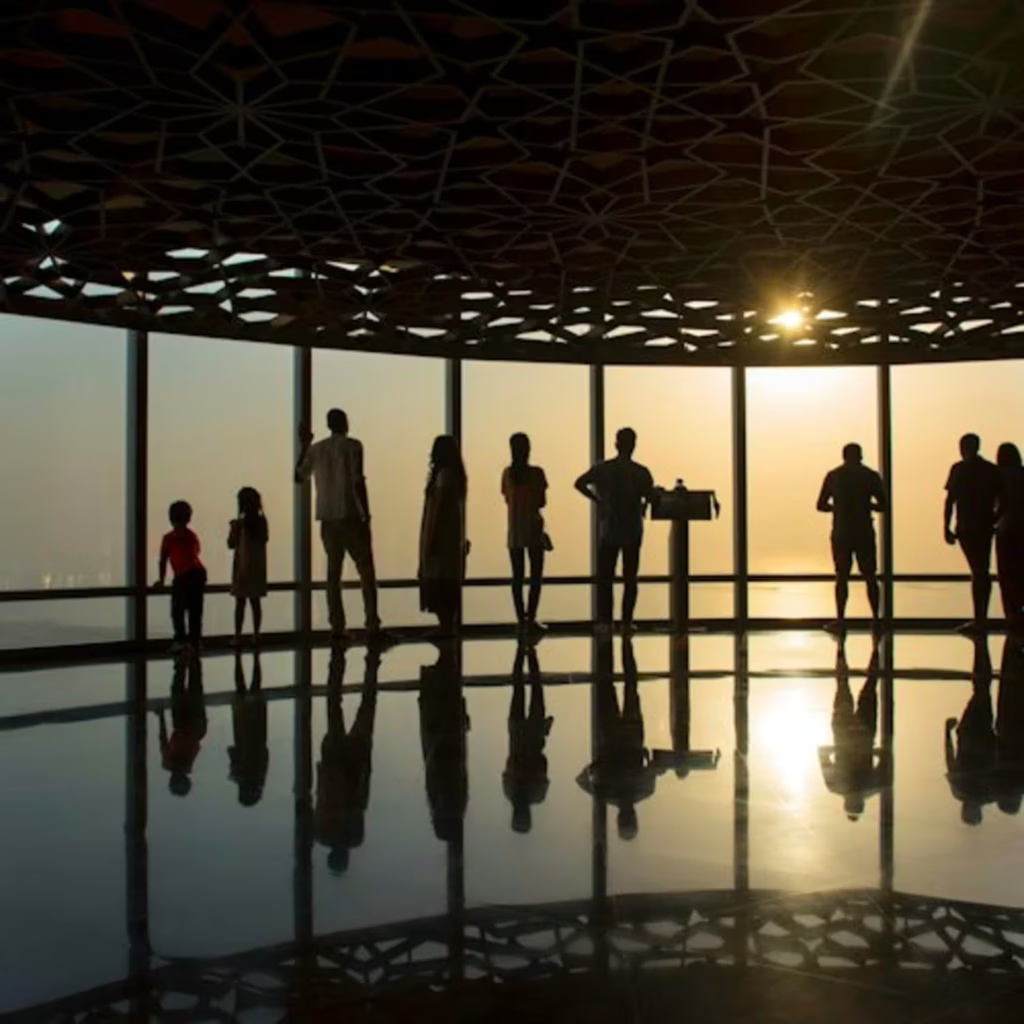
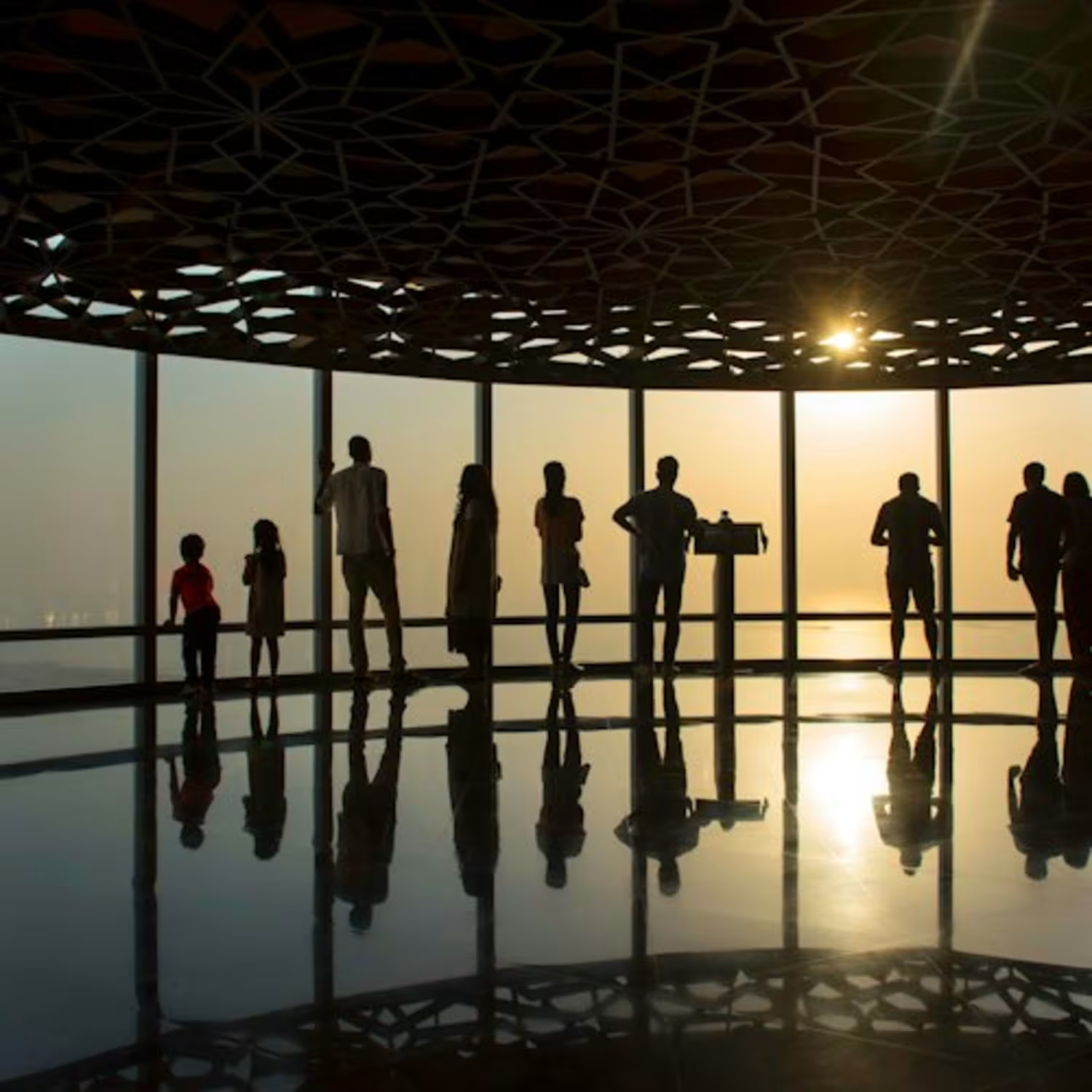
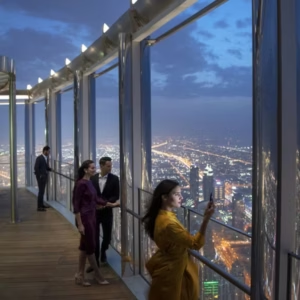
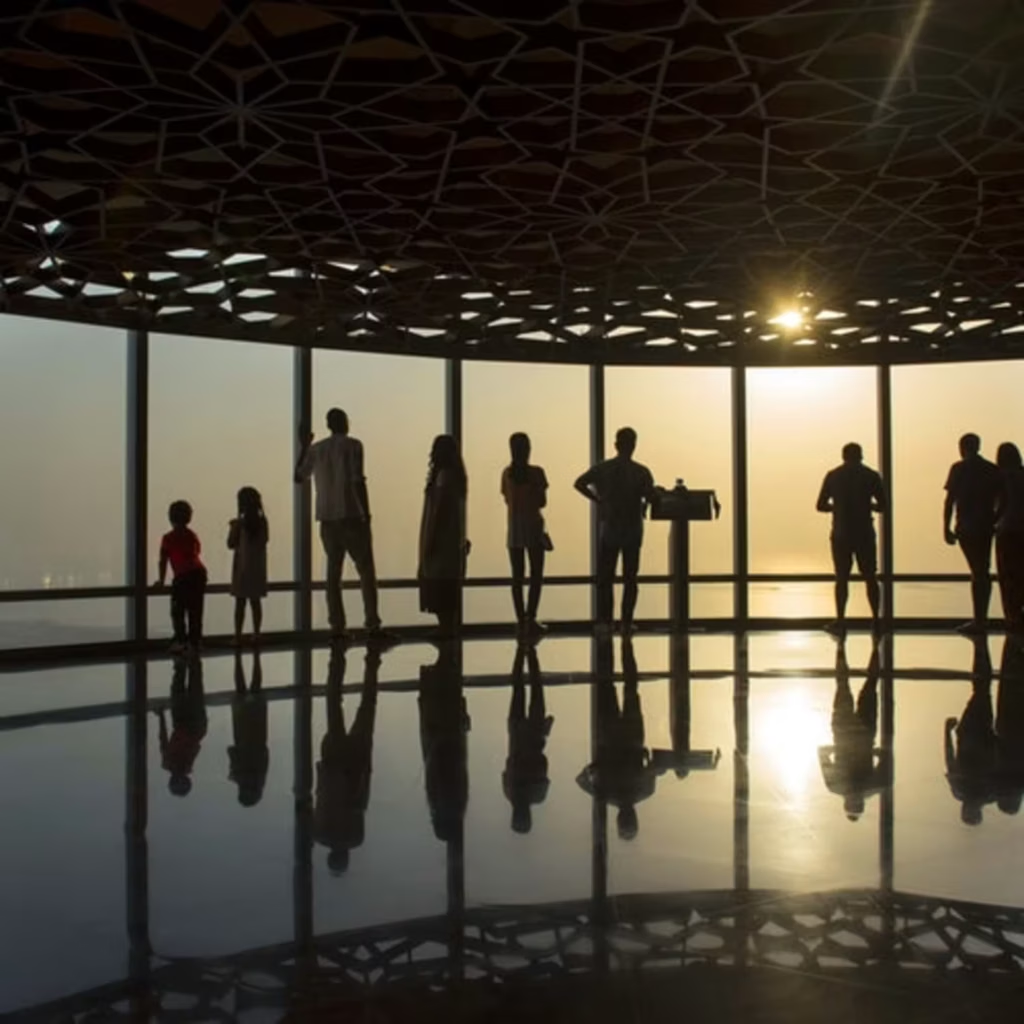
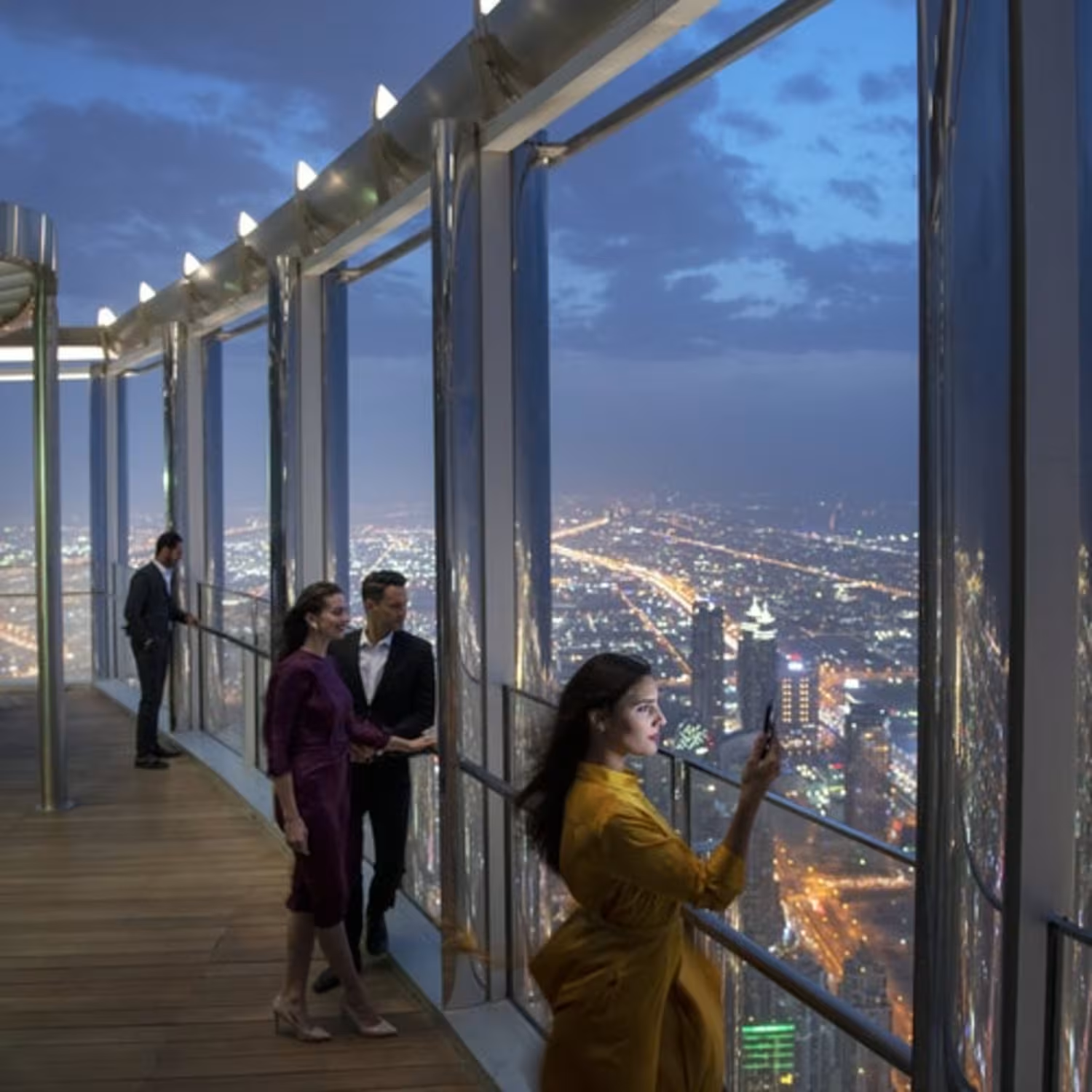
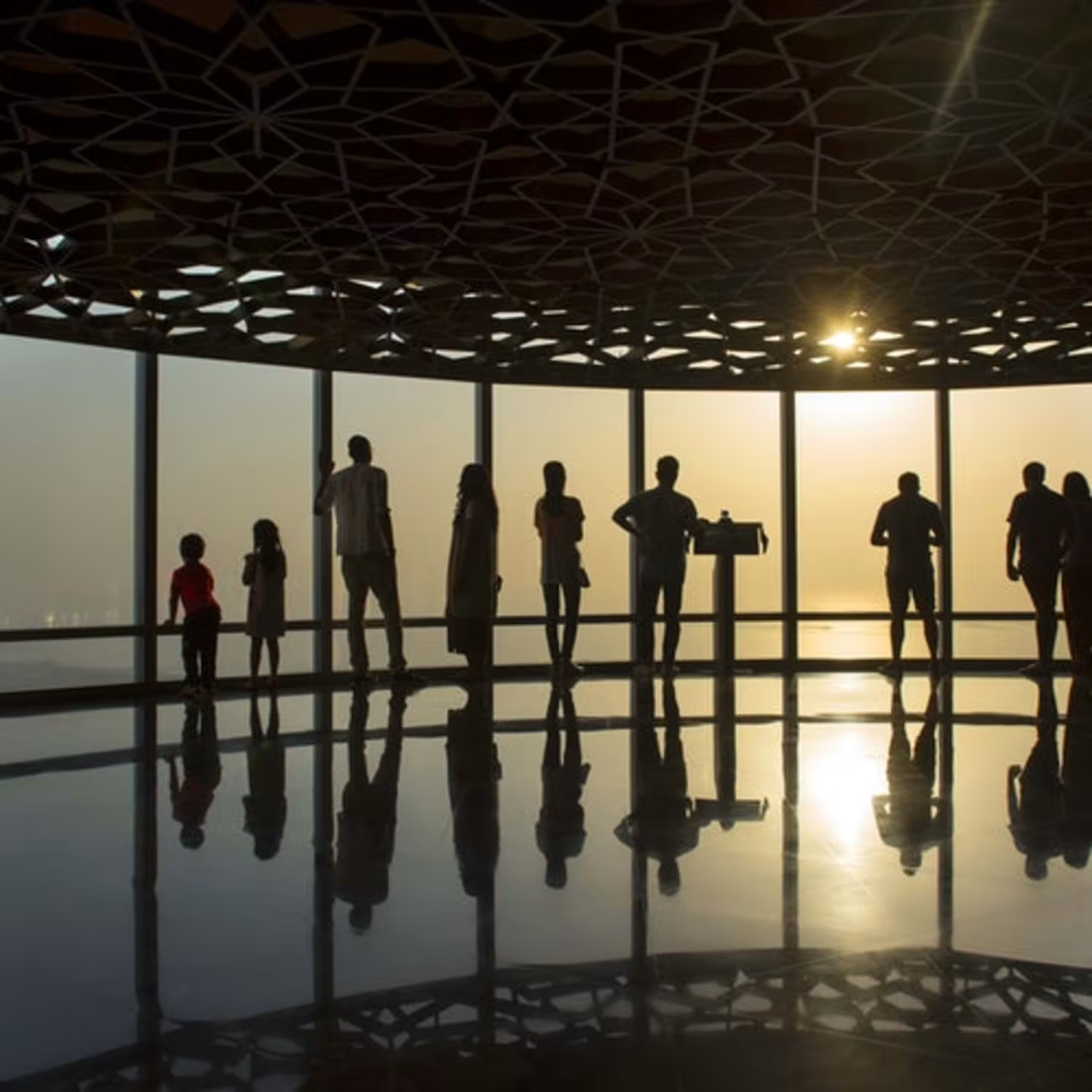
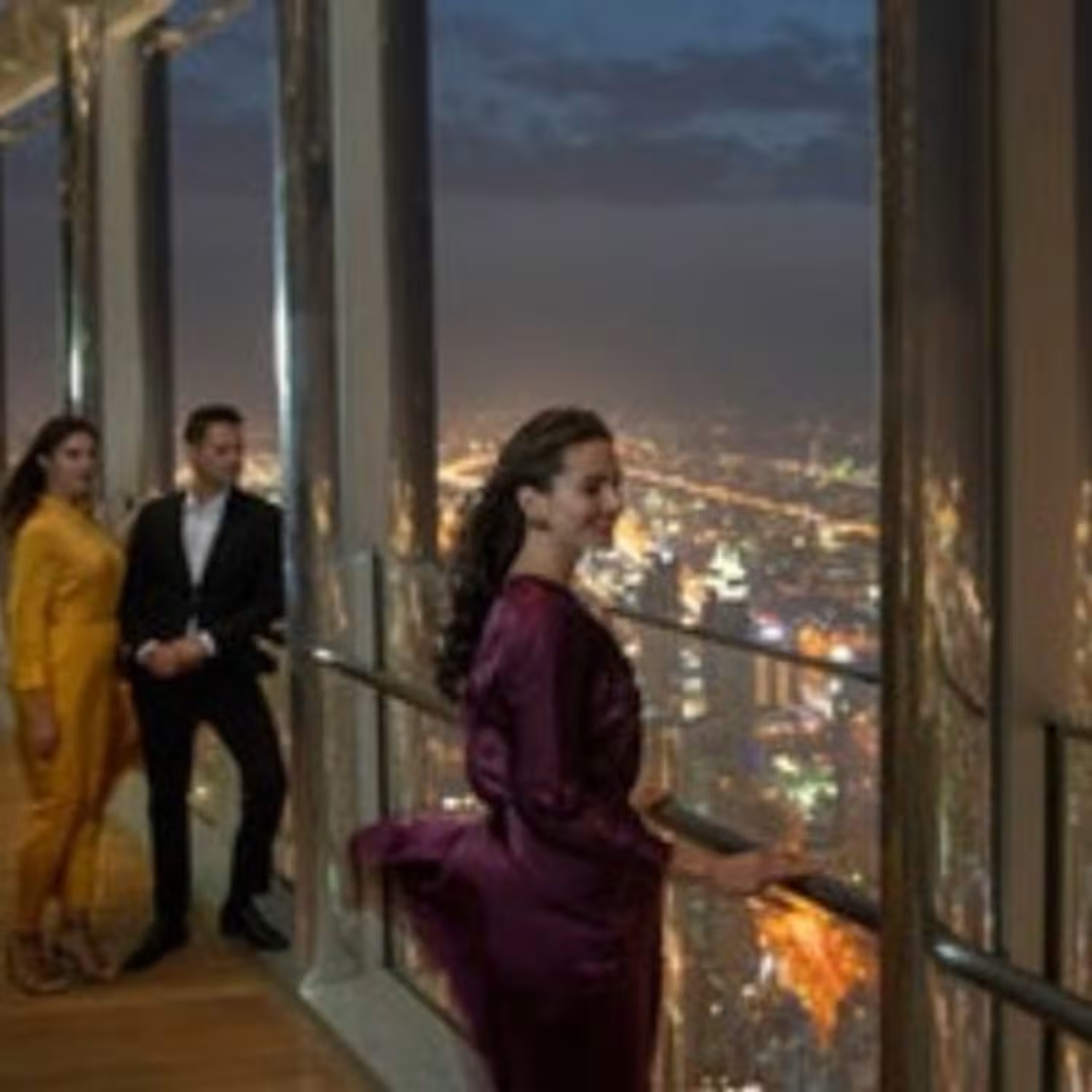
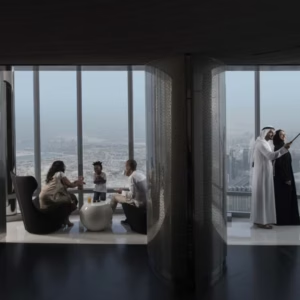
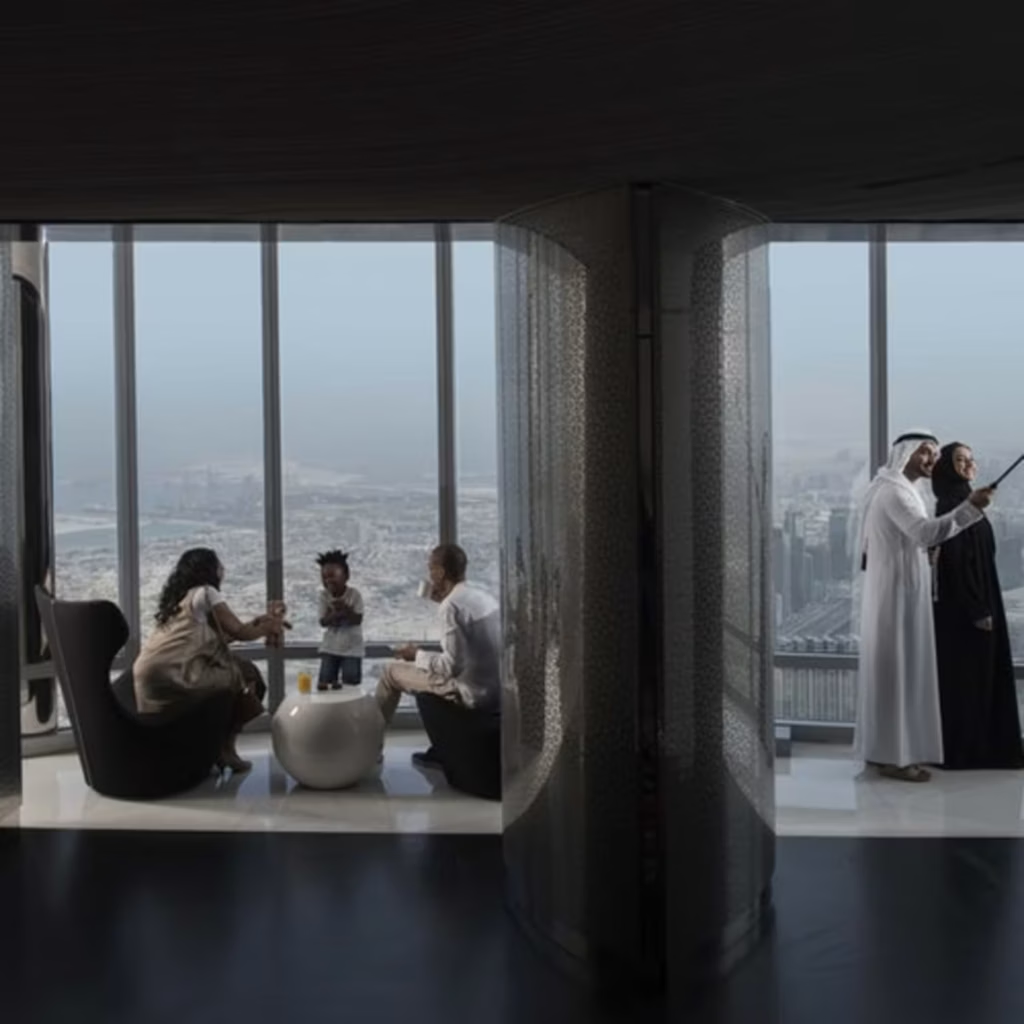
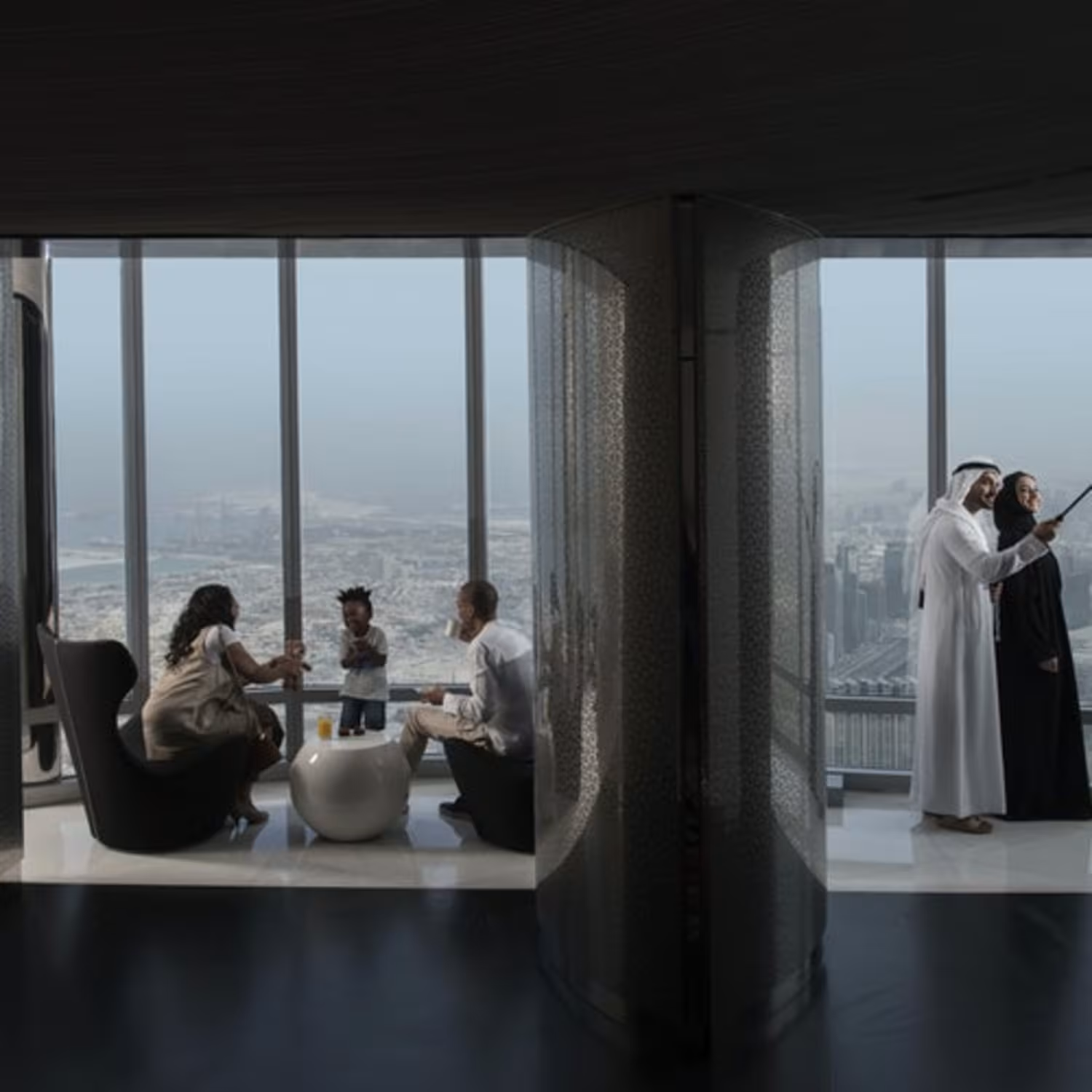
Visitors reach three levels. Levels 124 and 125, known as At the Top, are the main observation decks, and Level 124, at about 452 metres, includes an outdoor viewing area. From here The Dubai Fountain, The Dubai Mall and the low-rise districts towards the coast spread out below, and on clear days the view reaches the edge of the desert.

Level 148, at 555 metres, is roughly 100 metres higher. When it opened in 2014 it was the highest observation deck in the world, a title Shanghai Tower took two years later. Some tickets add it to a visit to Levels 124 and 125. Higher still, The Lounge on Levels 152 to 154 combines the view with food and drinks and needs its own booking, while At.mosphere on Level 122 is a restaurant rather than a viewing deck.

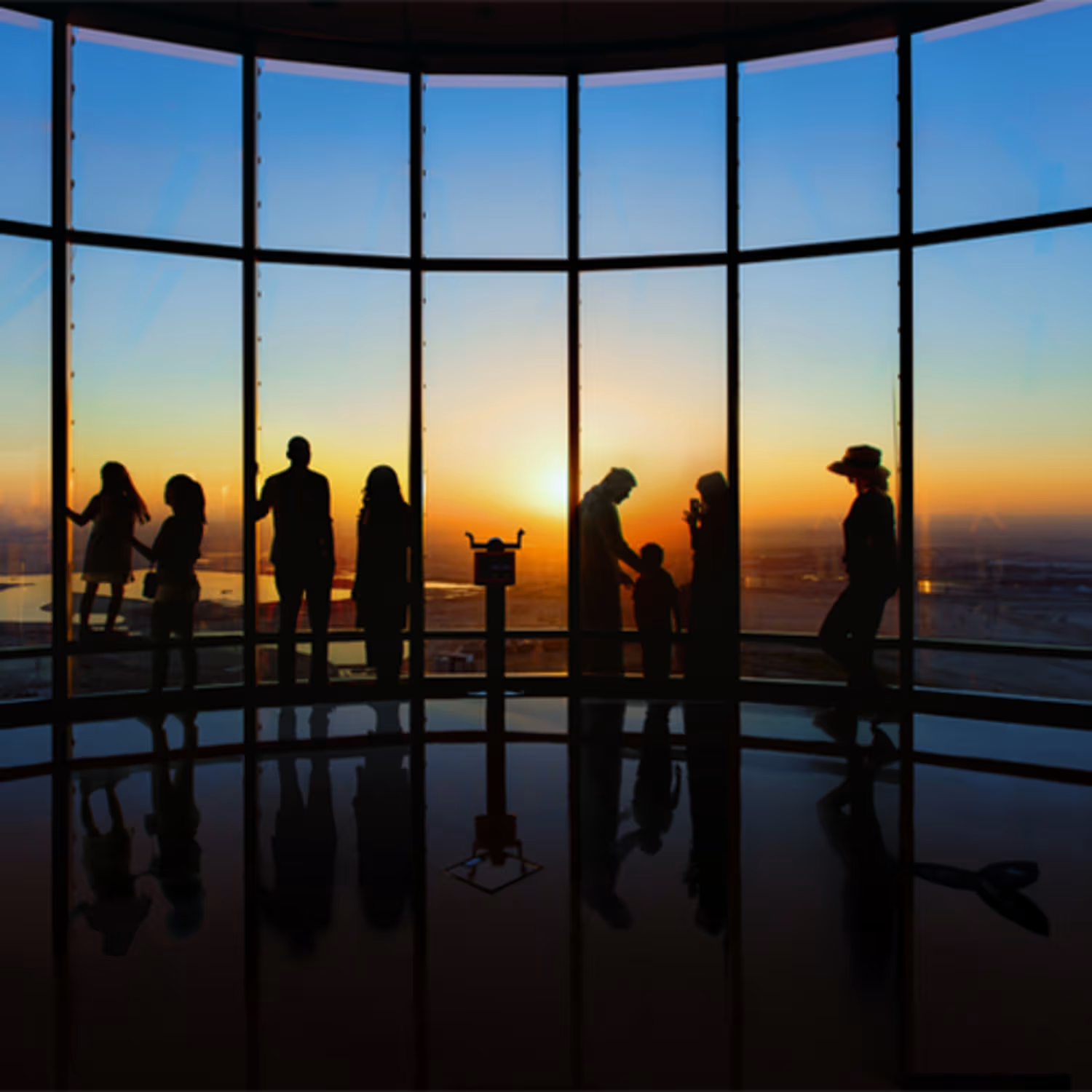
The trade-off is simple. Levels 124 and 125 give the classic panorama and suit most visitors, while Level 148 suits those who want the extra height. Haze matters more than altitude: on a clear day the lower decks will show you more than Level 148 does through dust or fog.

Planning a Visit to the Top

This page covers the numbers, not the logistics. For security, bags, how long to allow and what each kind of ticket includes, see our guide to planning your Burj Khalifa visit. Slots and the best times for sunset or quieter decks are covered on the Burj Khalifa opening hours page.

The entrance to the decks is inside The Dubai Mall, and the address and directions guide explains how to get there. To compare tickets for Levels 124, 125 and 148, see our Burj Khalifa page.

Book Burj Khalifa Tickets
Compare ticket options, what is included and cancellation terms on our Burj Khalifa tickets page.

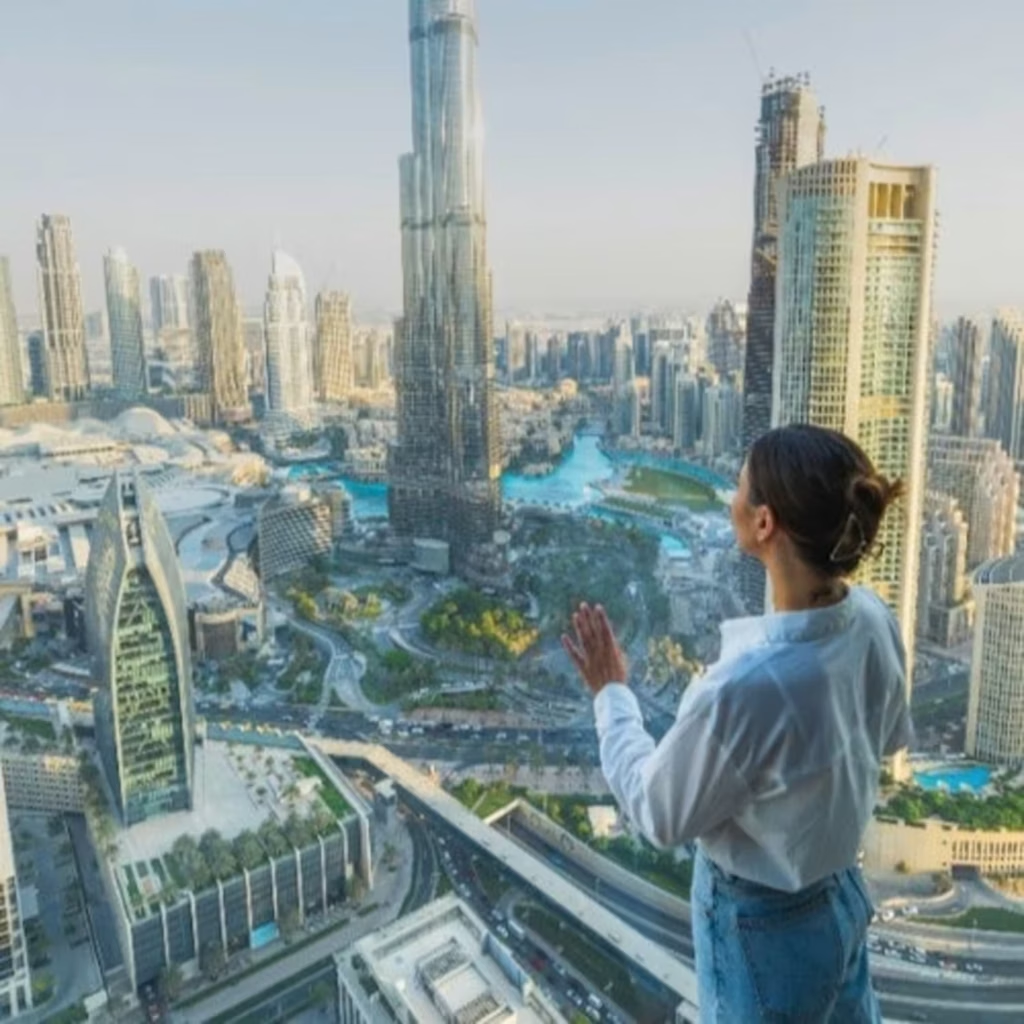
Burj Khalifa: Level 124/125 + Sky Views Observatory

Highlights

Reach seeing points on two iconic floors with panoramic city views.

Enjoy the unparalleled thrill of the fastest double-deck elevators in the world.

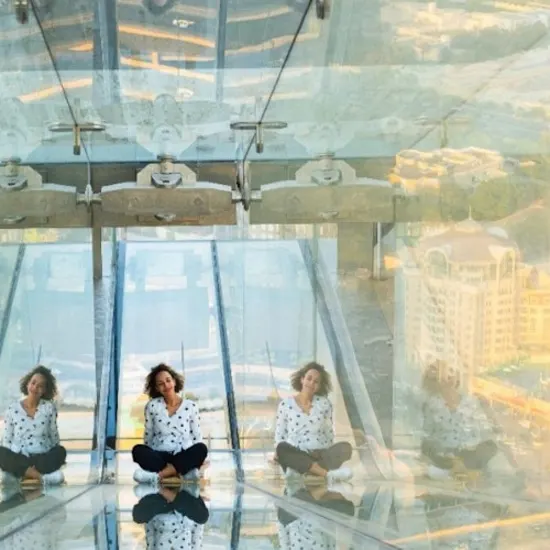
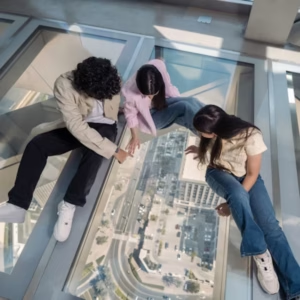
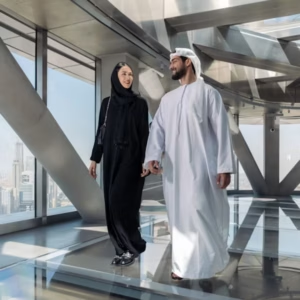
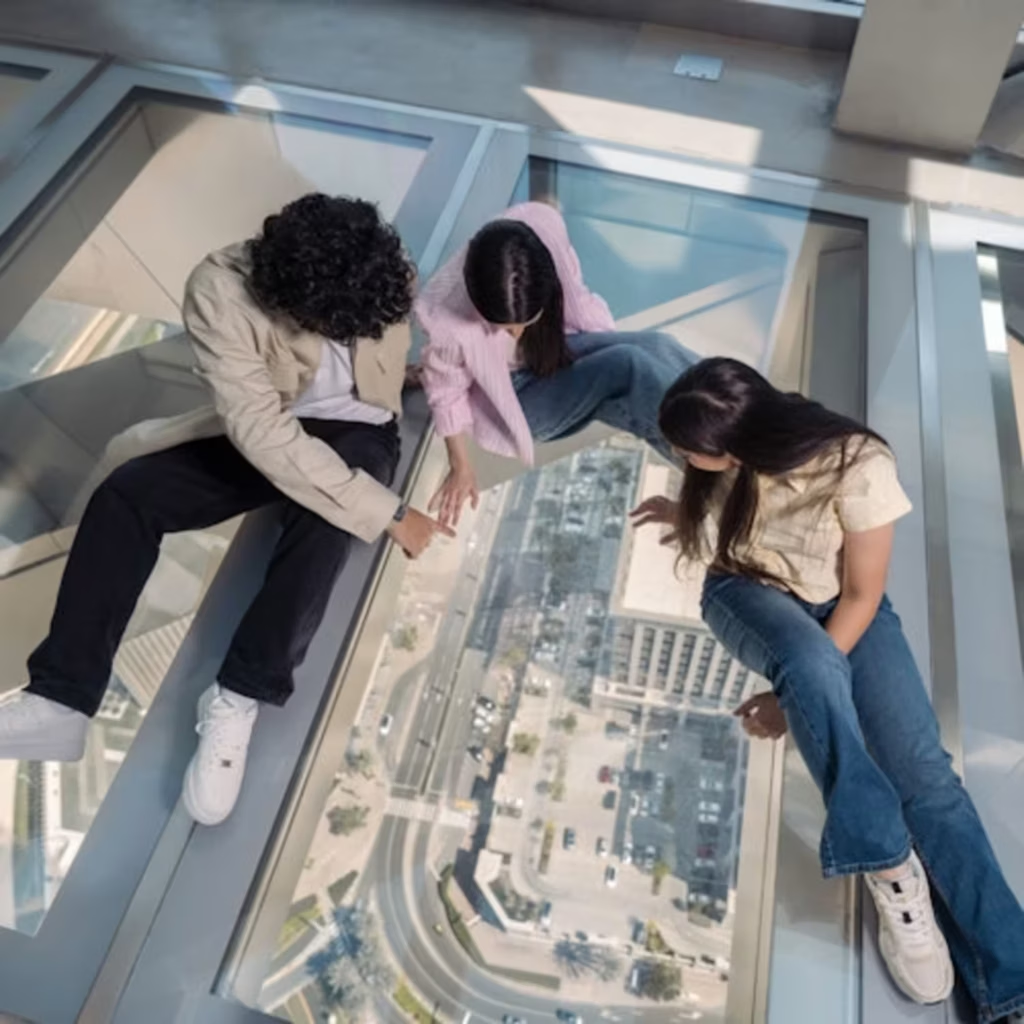
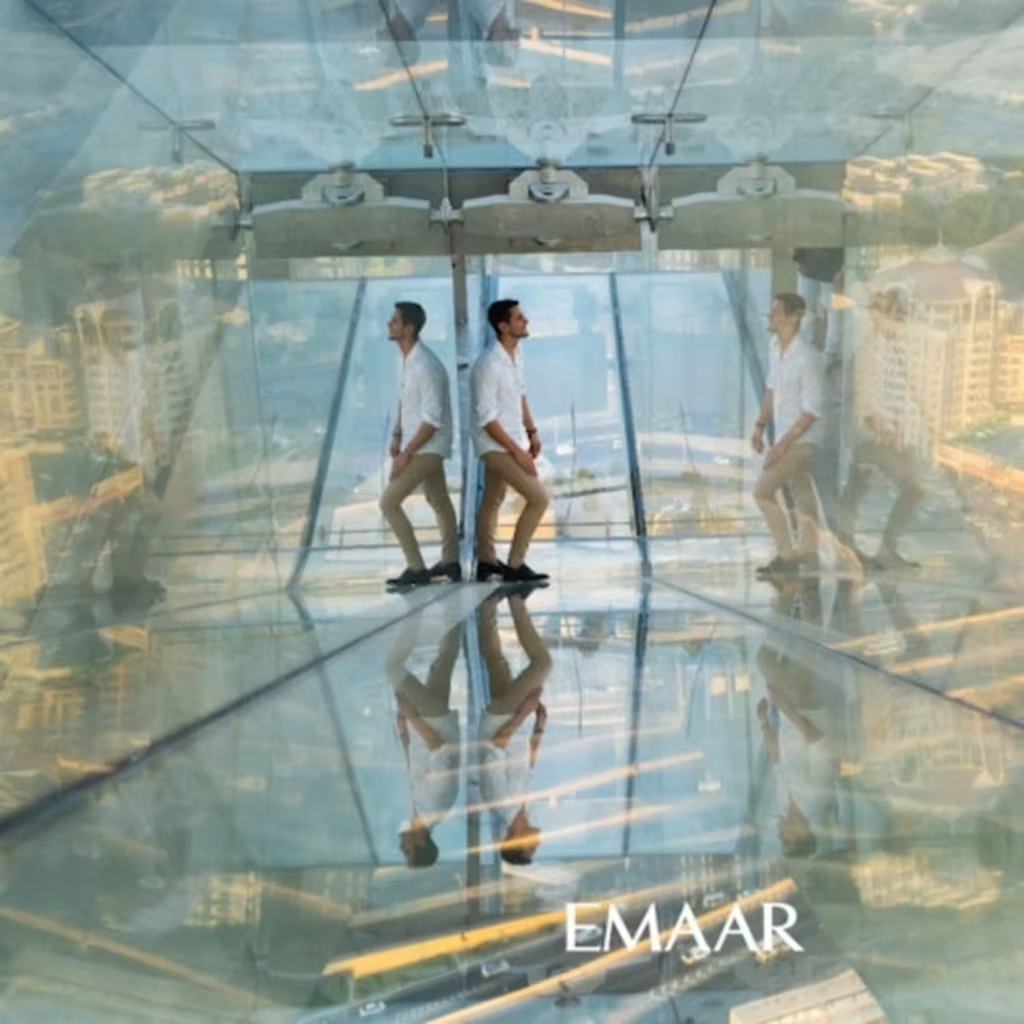
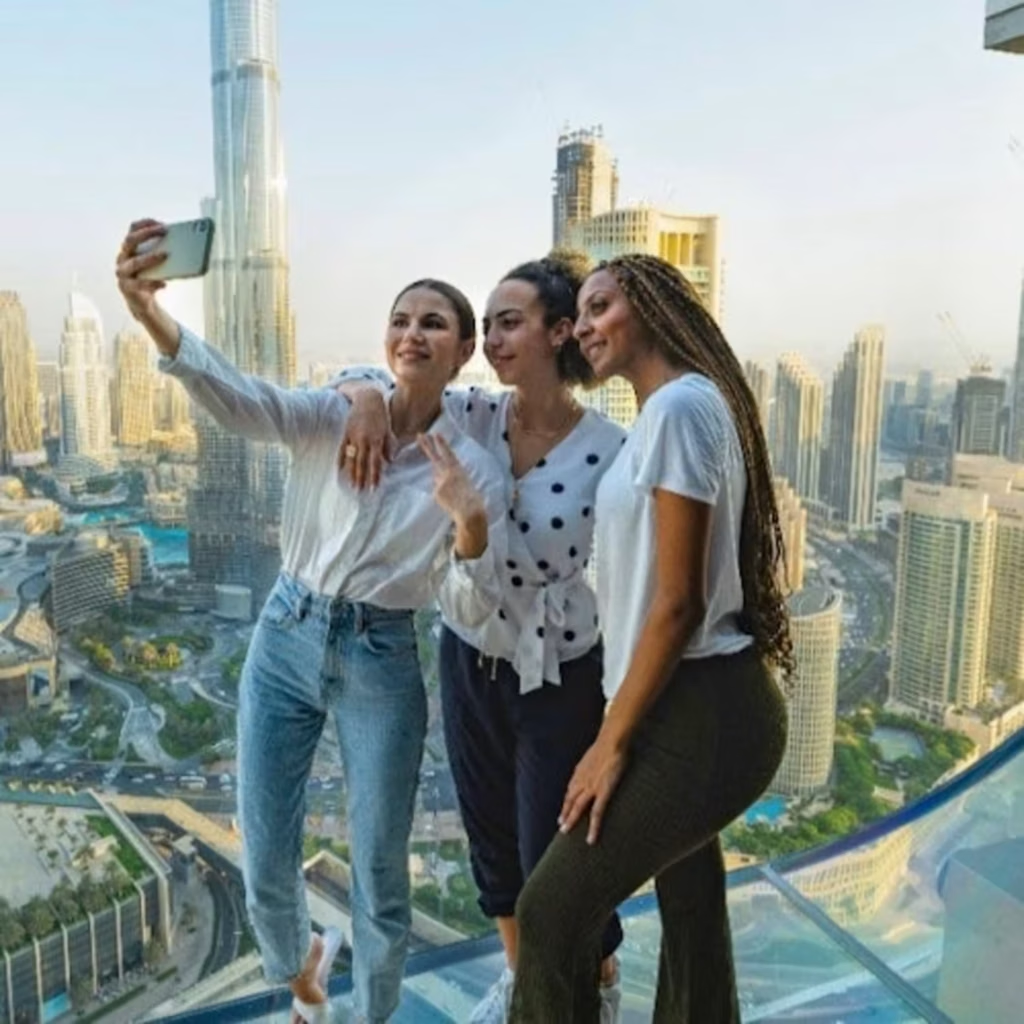
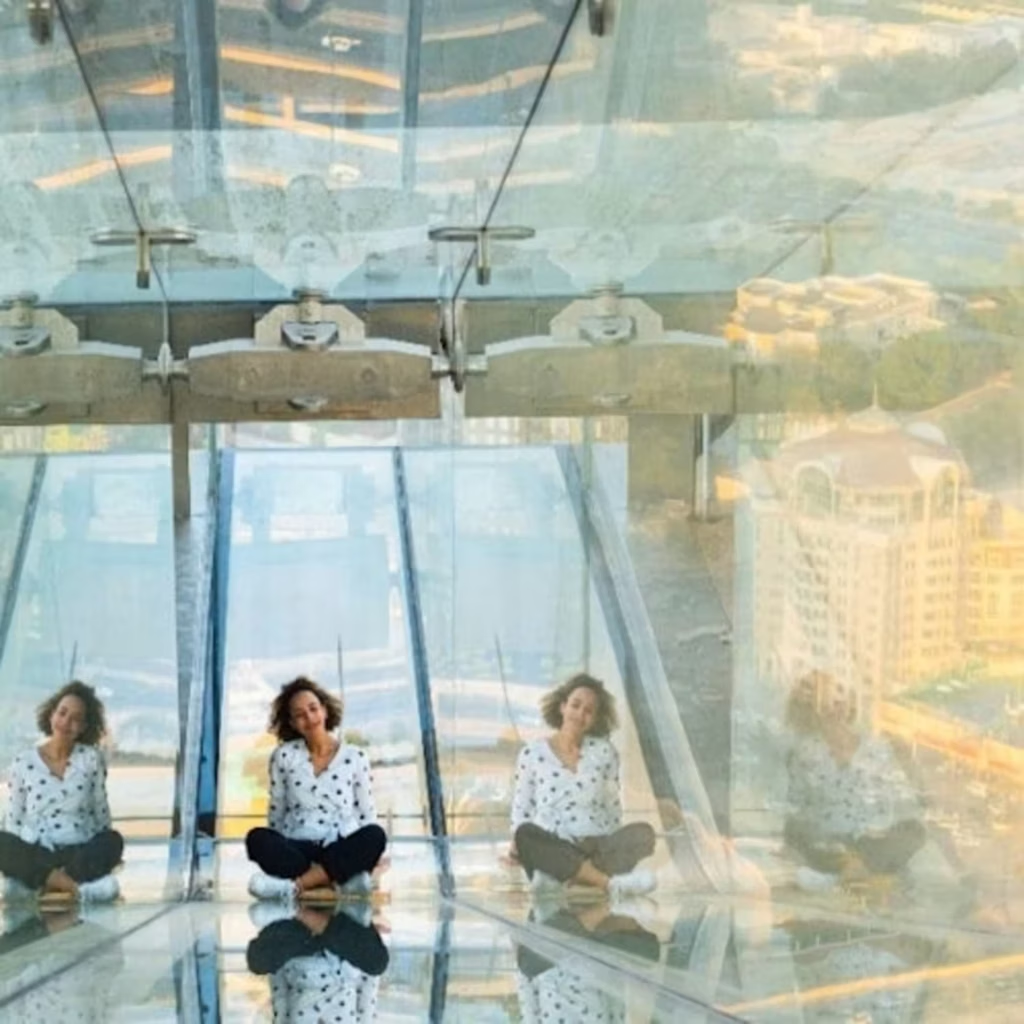
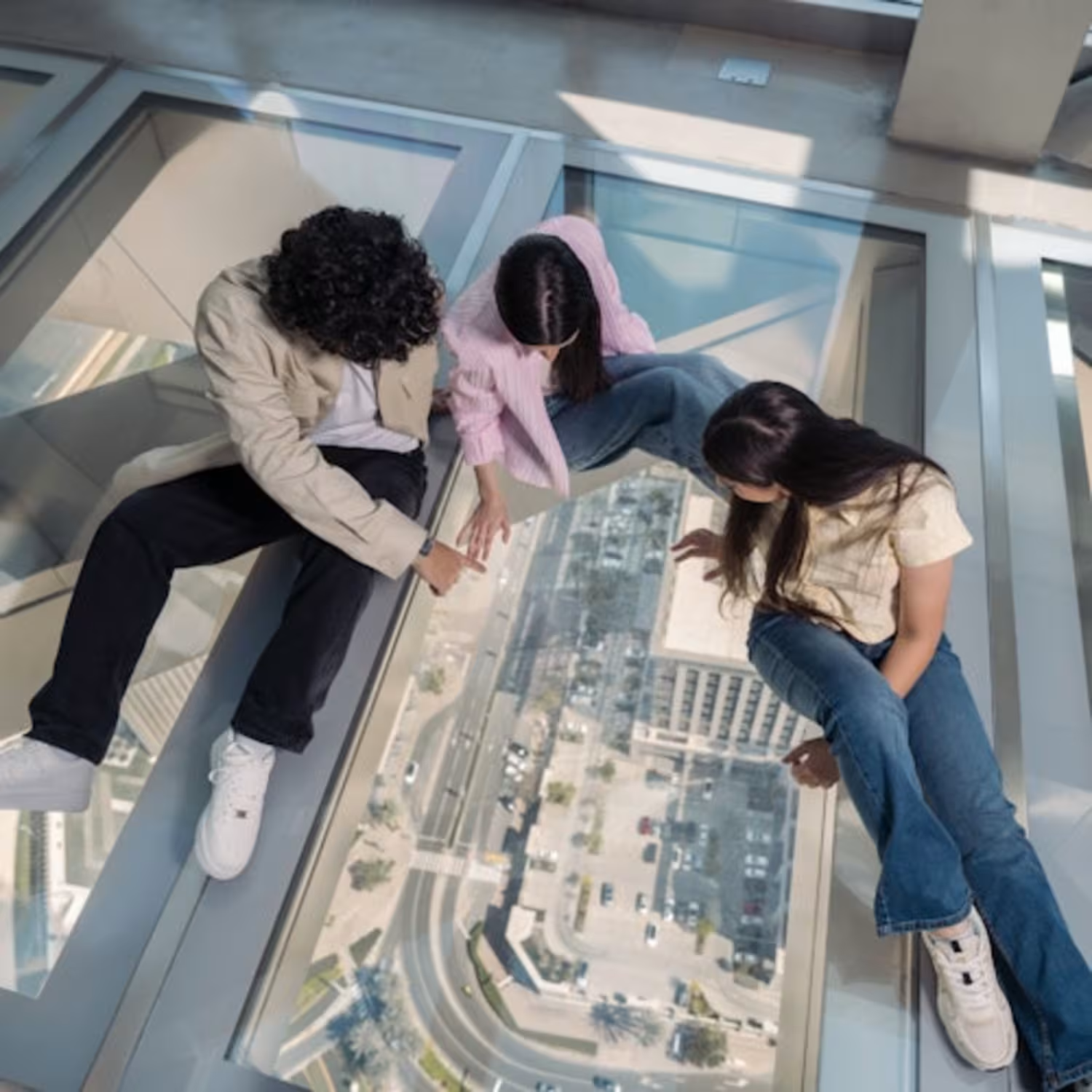
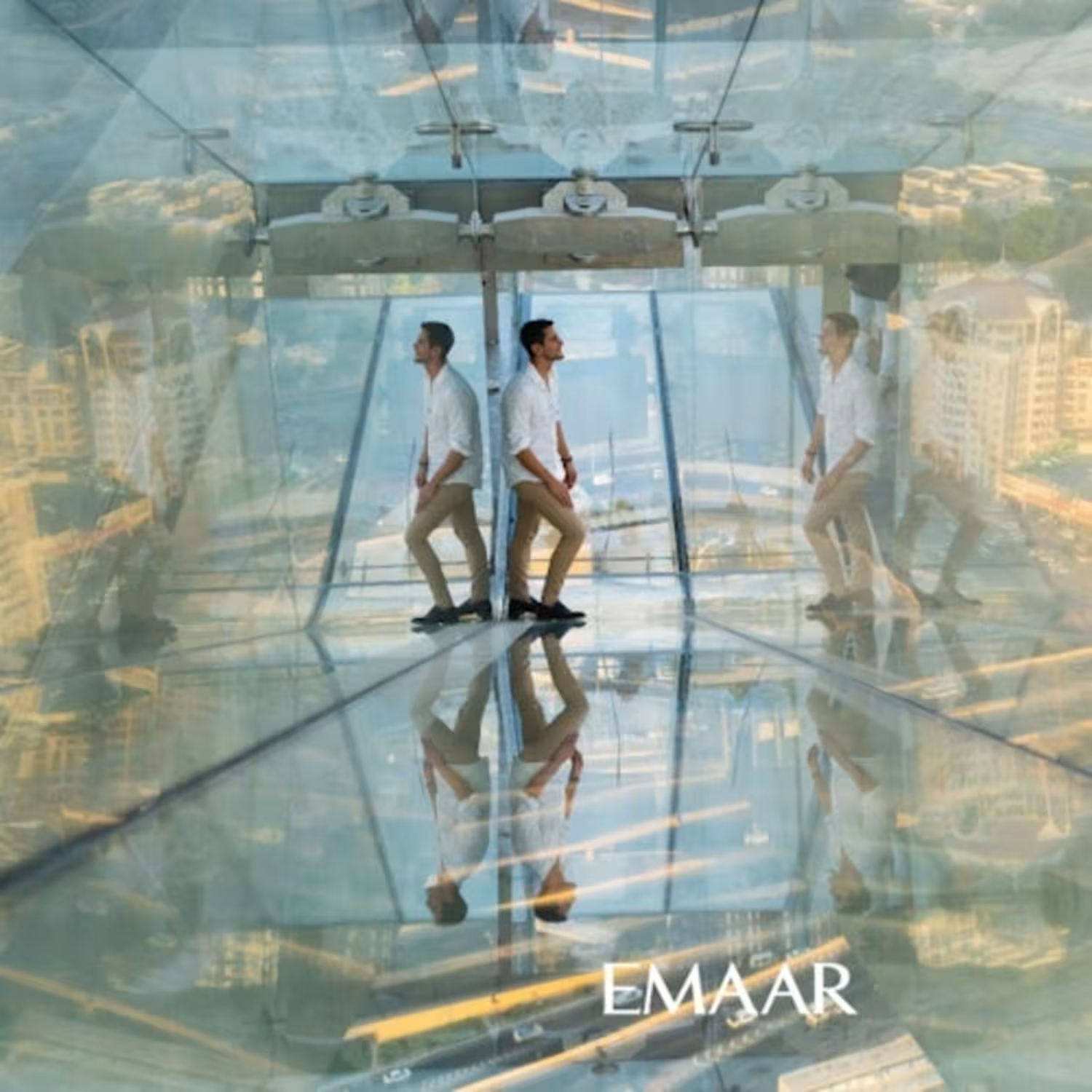
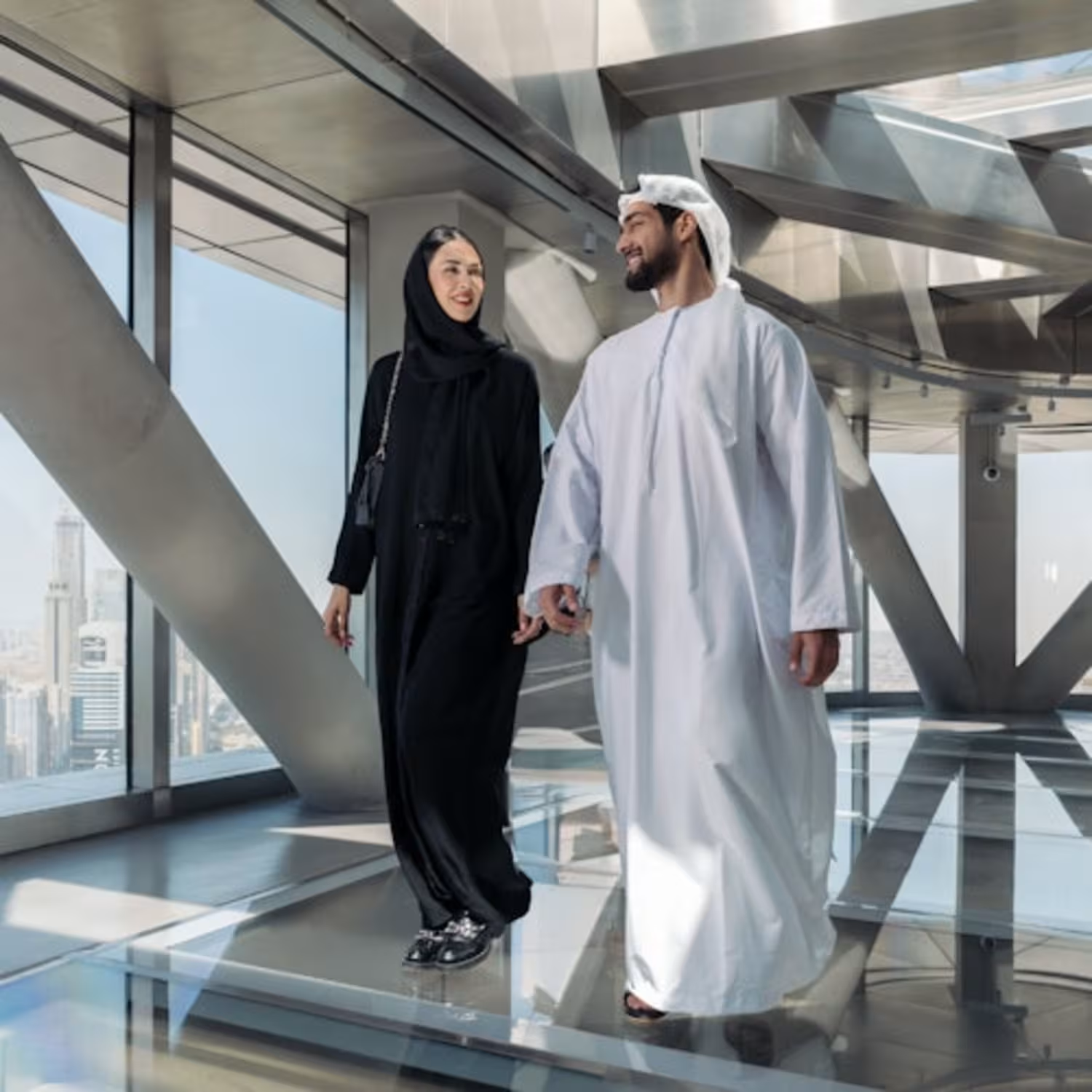
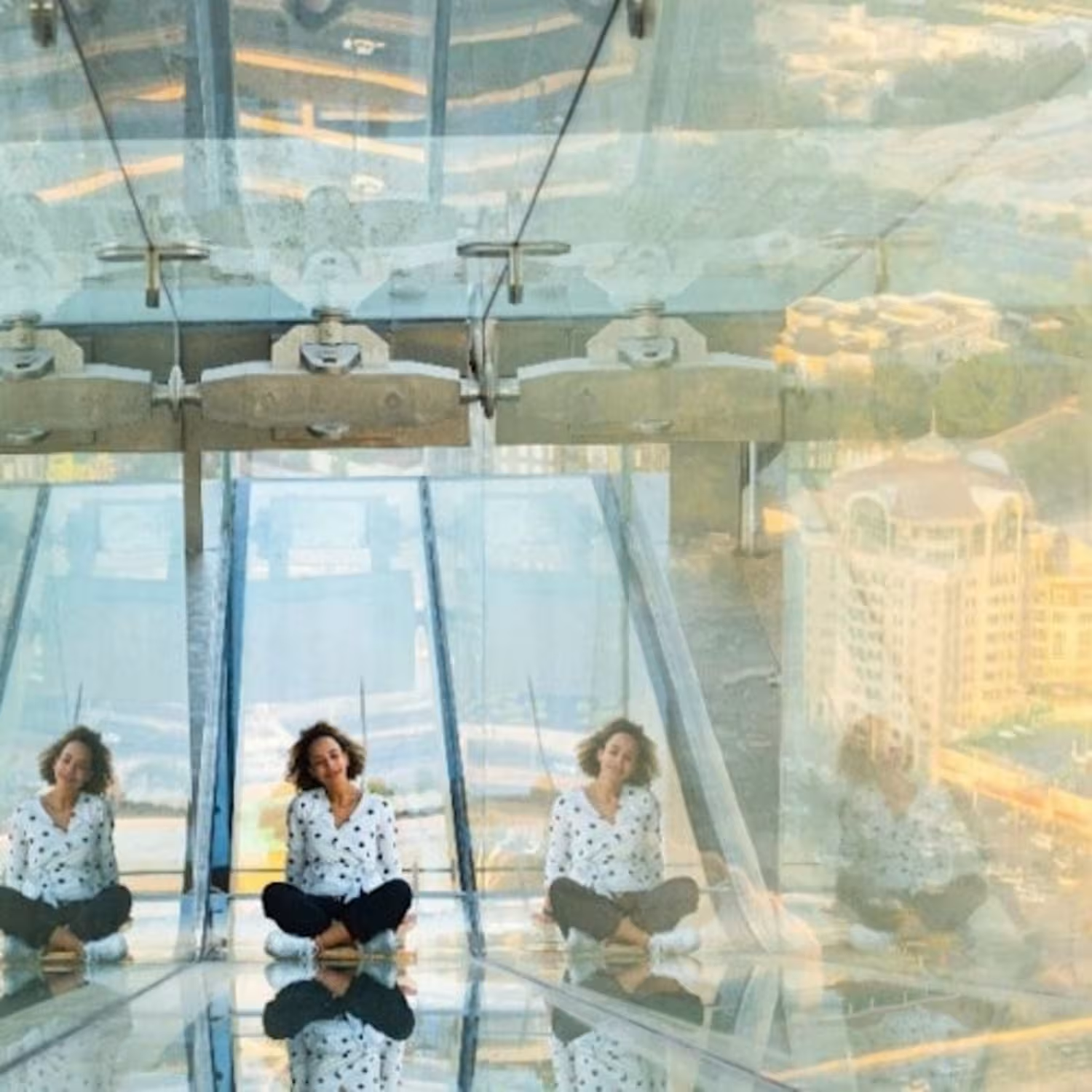
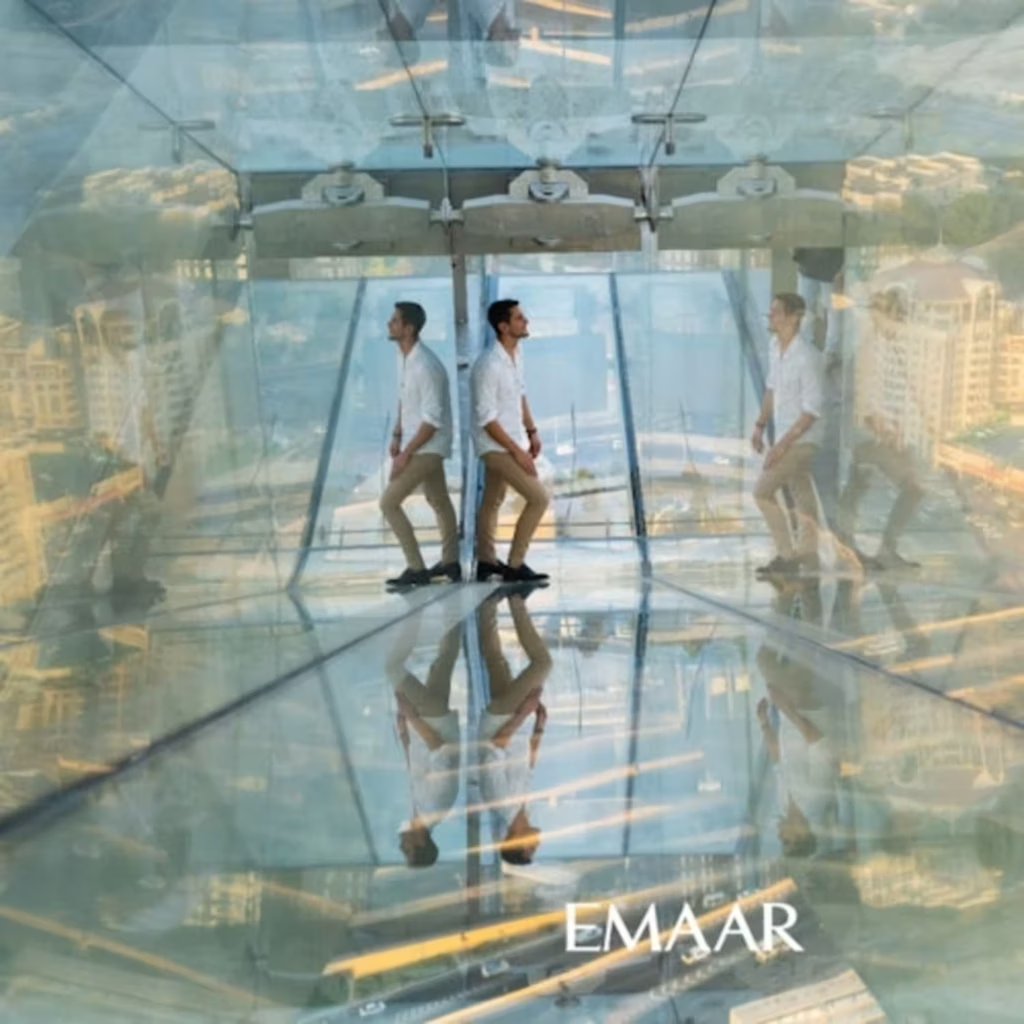
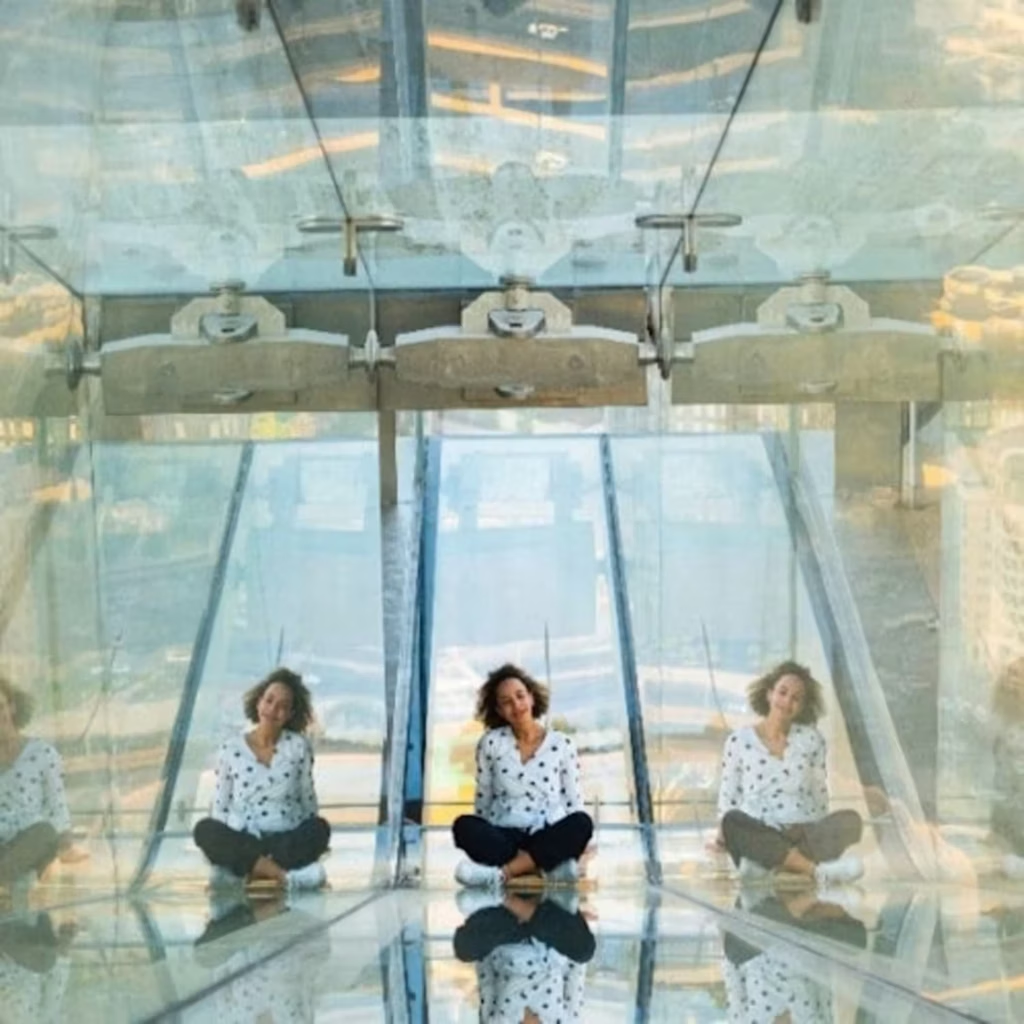
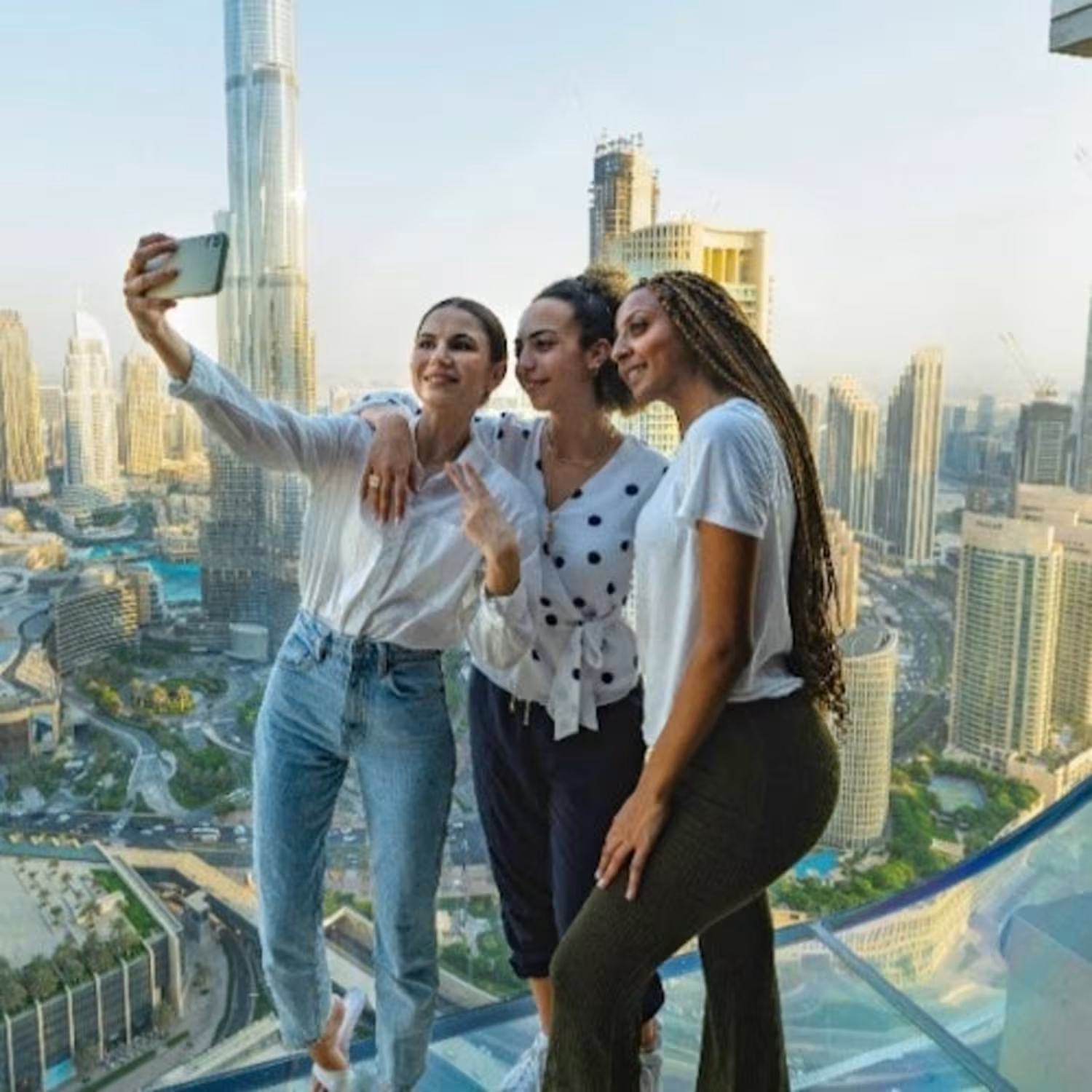
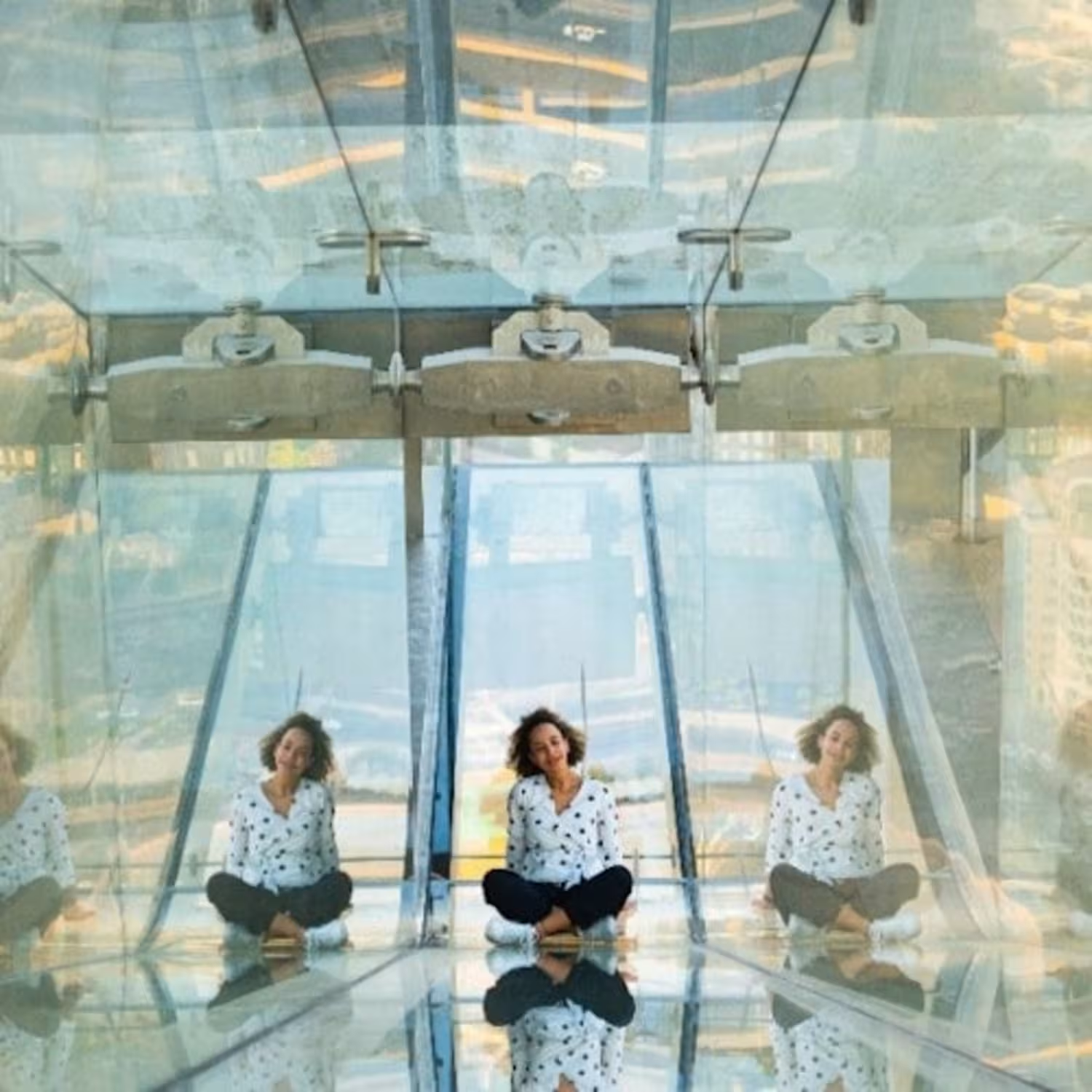
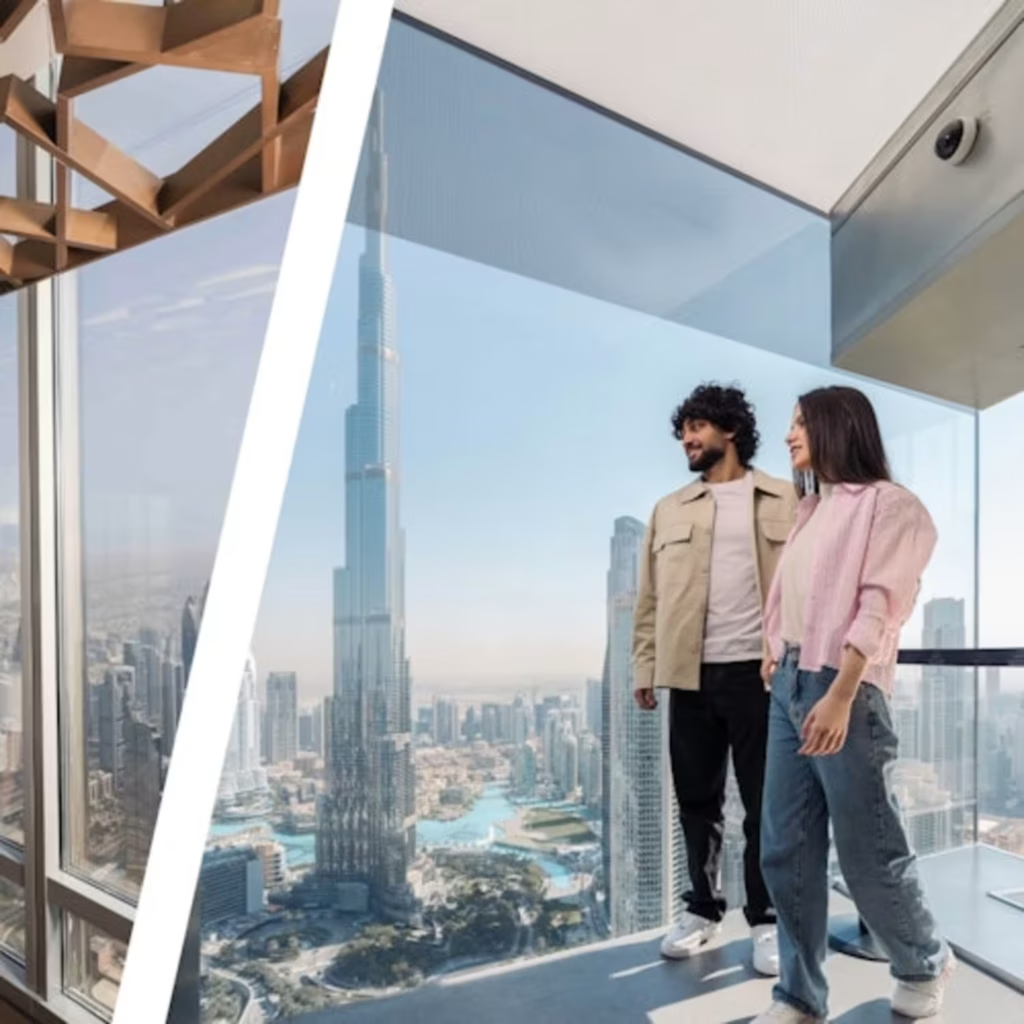
Walk on a glass floor at the Sky Views Observatory and snap memorable photos.

Use the same ticket to visit the Sky Views Observatory before or after the Burj Khalifa experience.

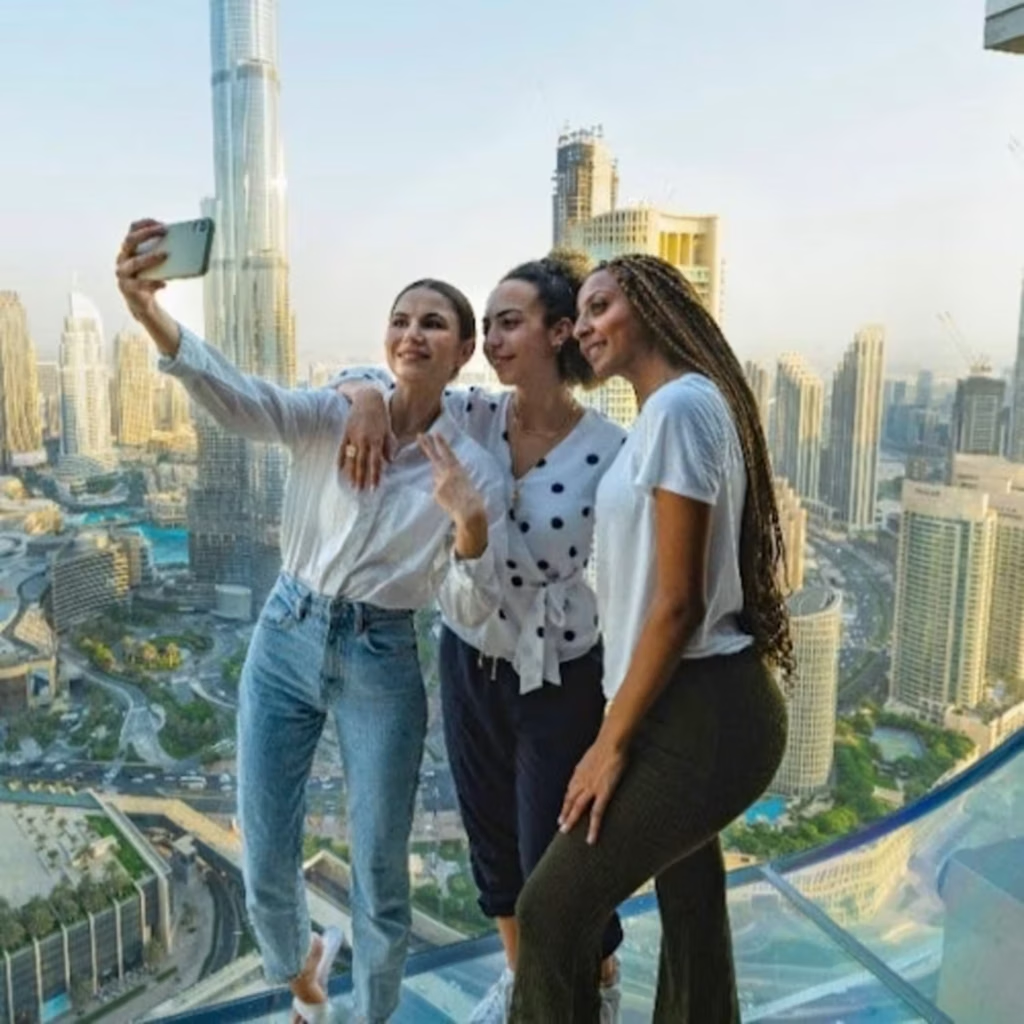
Provides a rare opportunity to slide outdoors on a glass slide at Sky Views (purchase required onsite).
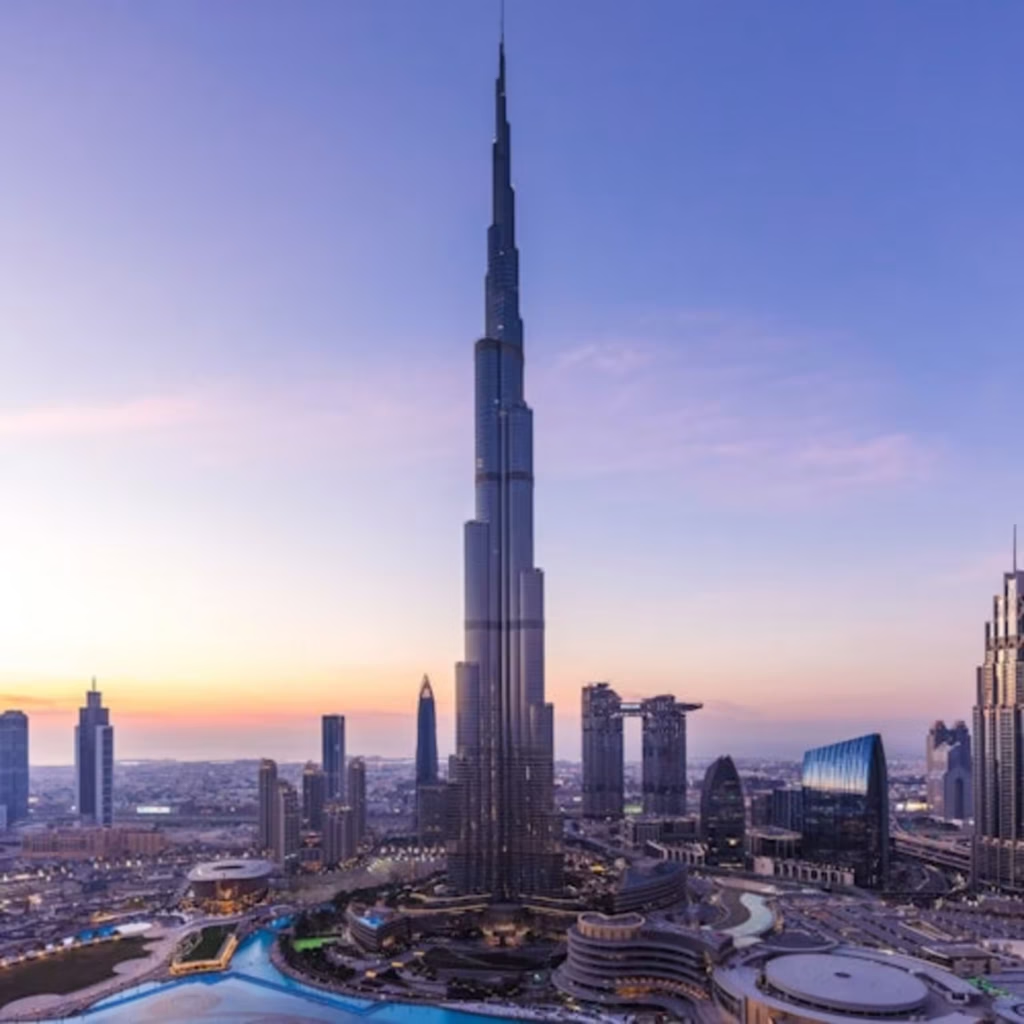
Burj Khalifa: Level 148 + Sky Views Observatory

Highlights

Skip long queues with fast-track entry.

Explore the observation decks on floors 124 and 125.

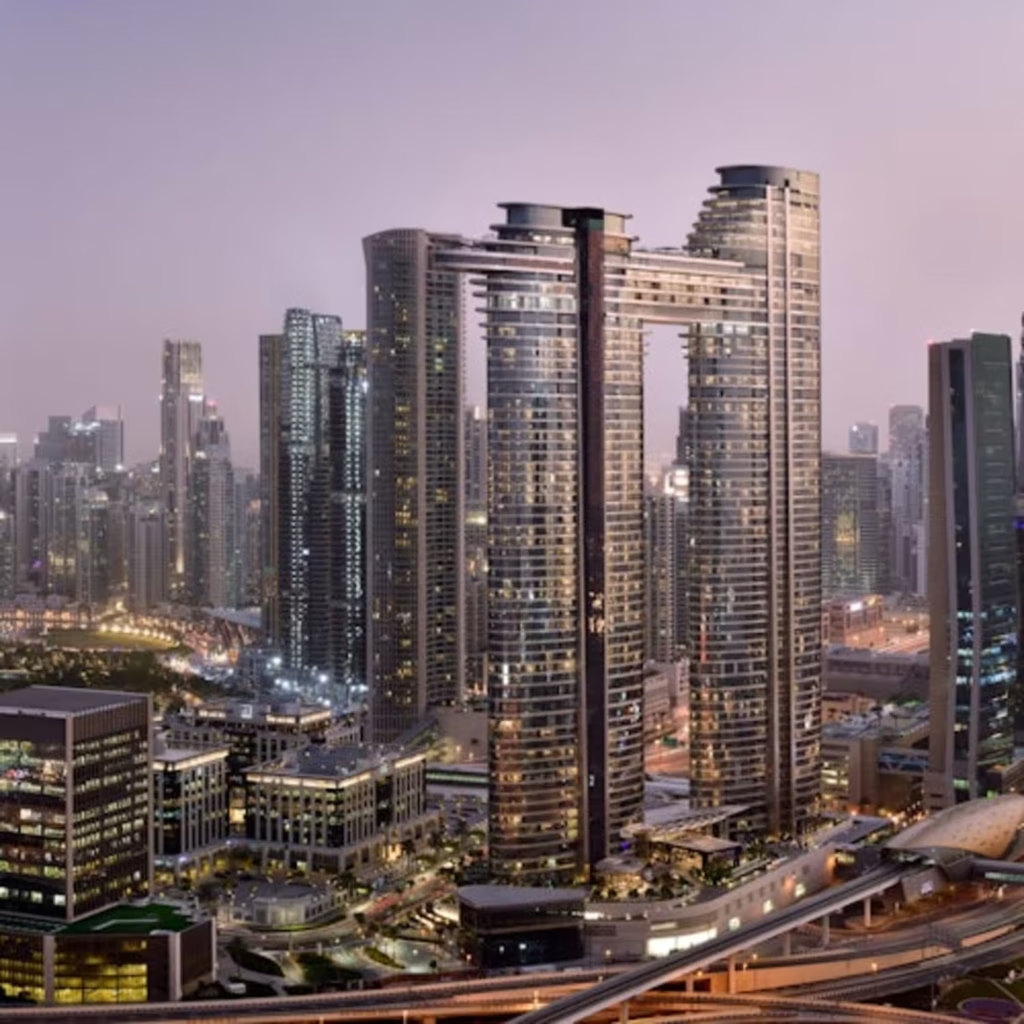
Visit the ultramodern At the Top SKY on floor 148.

Experience the Sky Views Observatory featuring a spectacular glass floor.

Relax in the SKY lounge while enjoying complimentary refreshments.
Burj Khalifa: Floors 124 & 125

Highlights

Enjoy stunning vistas of Dubai from an iconic skyscraper.

Access exclusive observation decks on two high levels.

Capture unforgettable moments at one of the world’s architectural wonders.

Take in the city’s skyline from an unmatched vantage point.

Perfect for a memorable sightseeing adventure in Dubai.
Burj Khalifa: Level 124/125 Fast Track

Highlights

Skip waiting lines with priority admission.

Ascend swiftly via a high-speed double-decker elevator to Level 124.

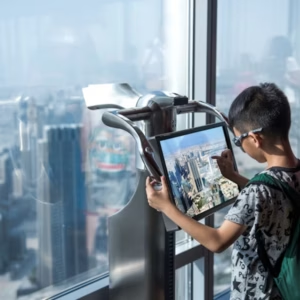
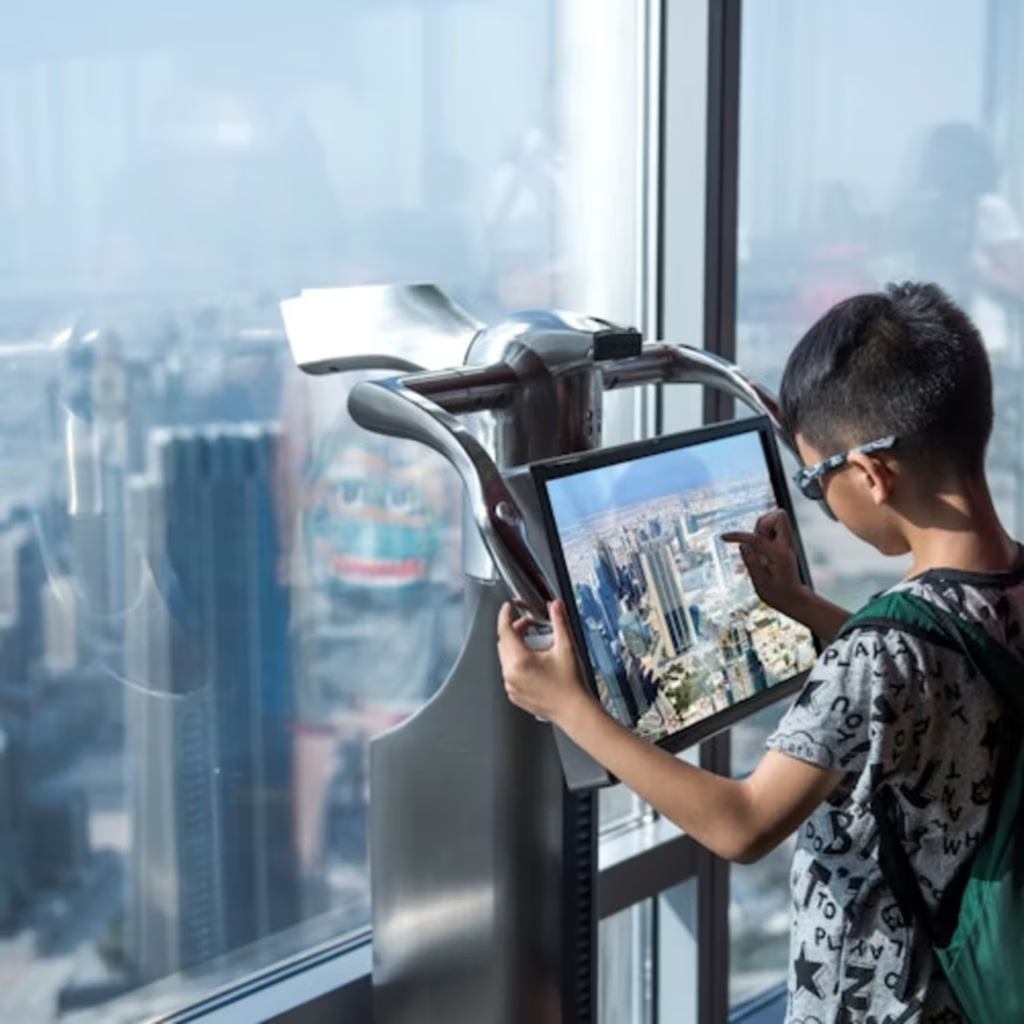
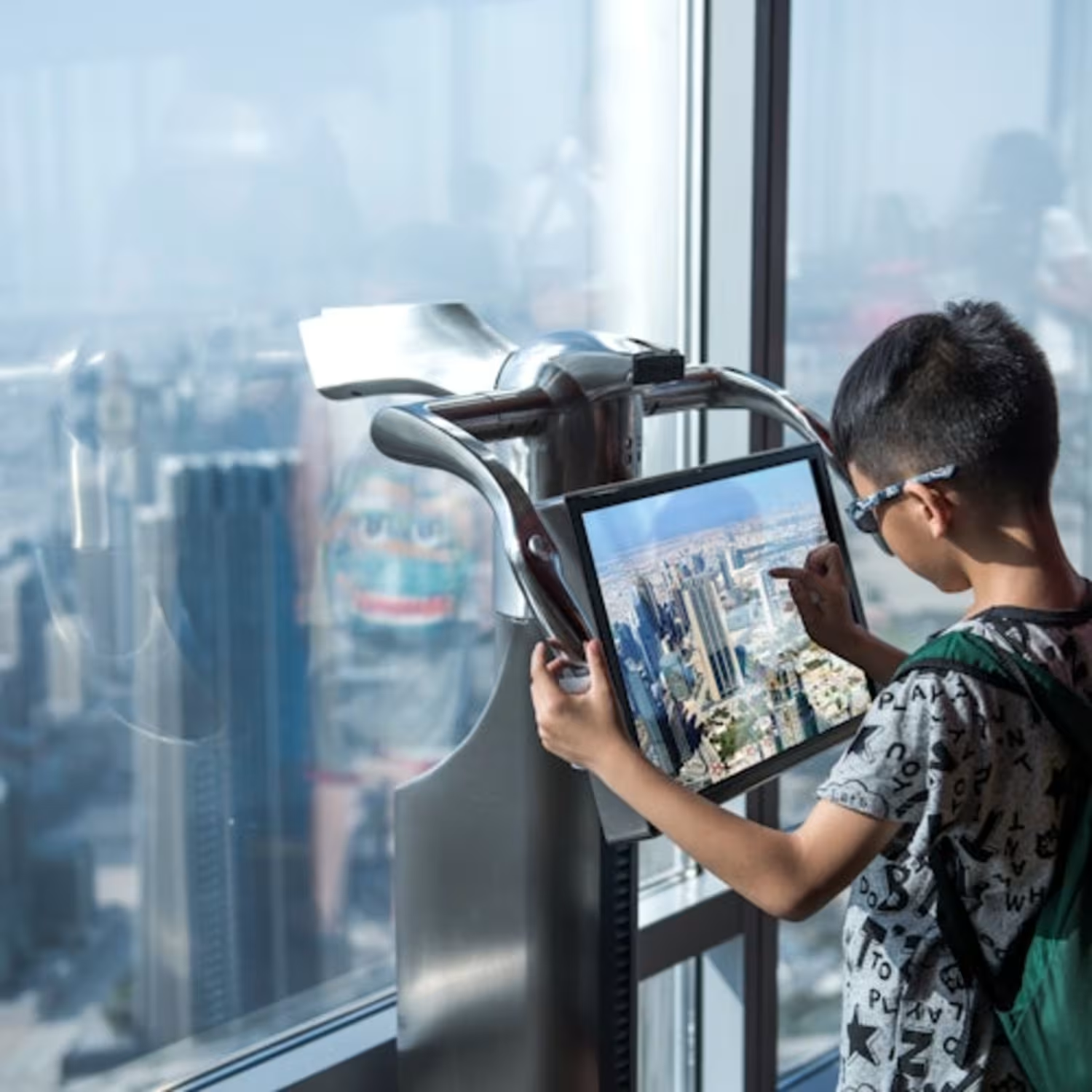
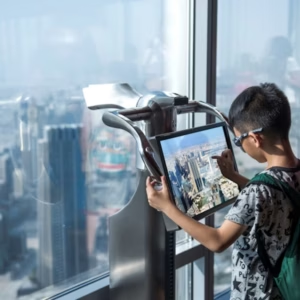
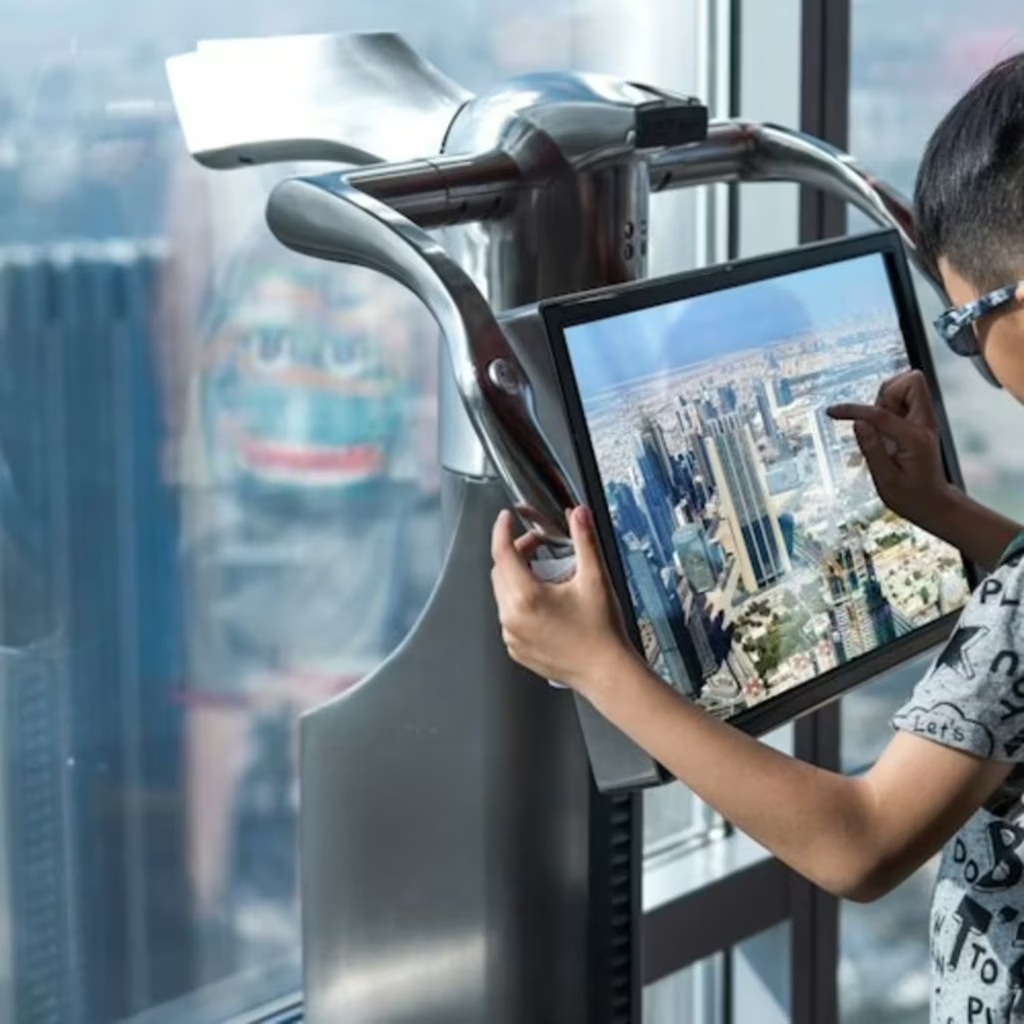
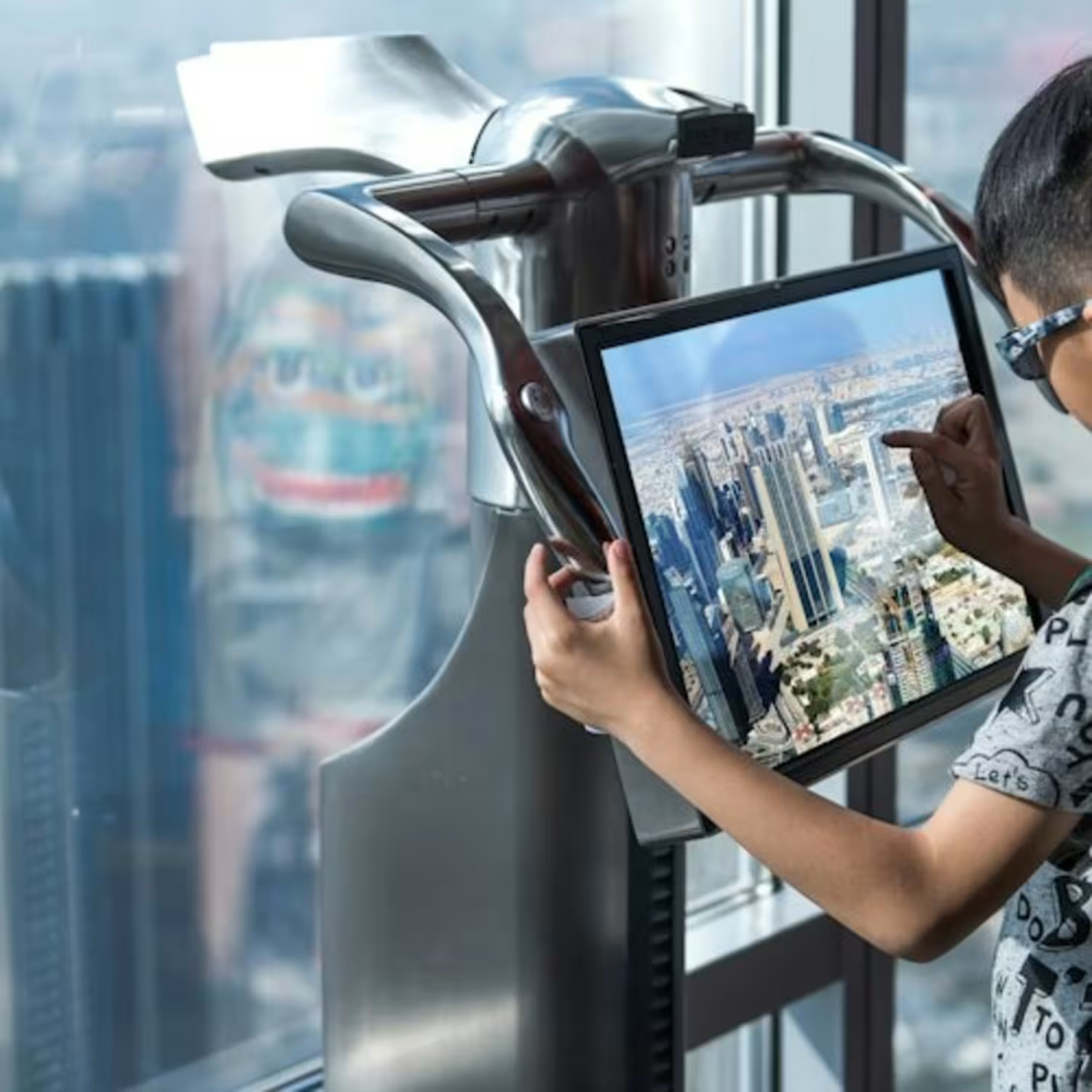
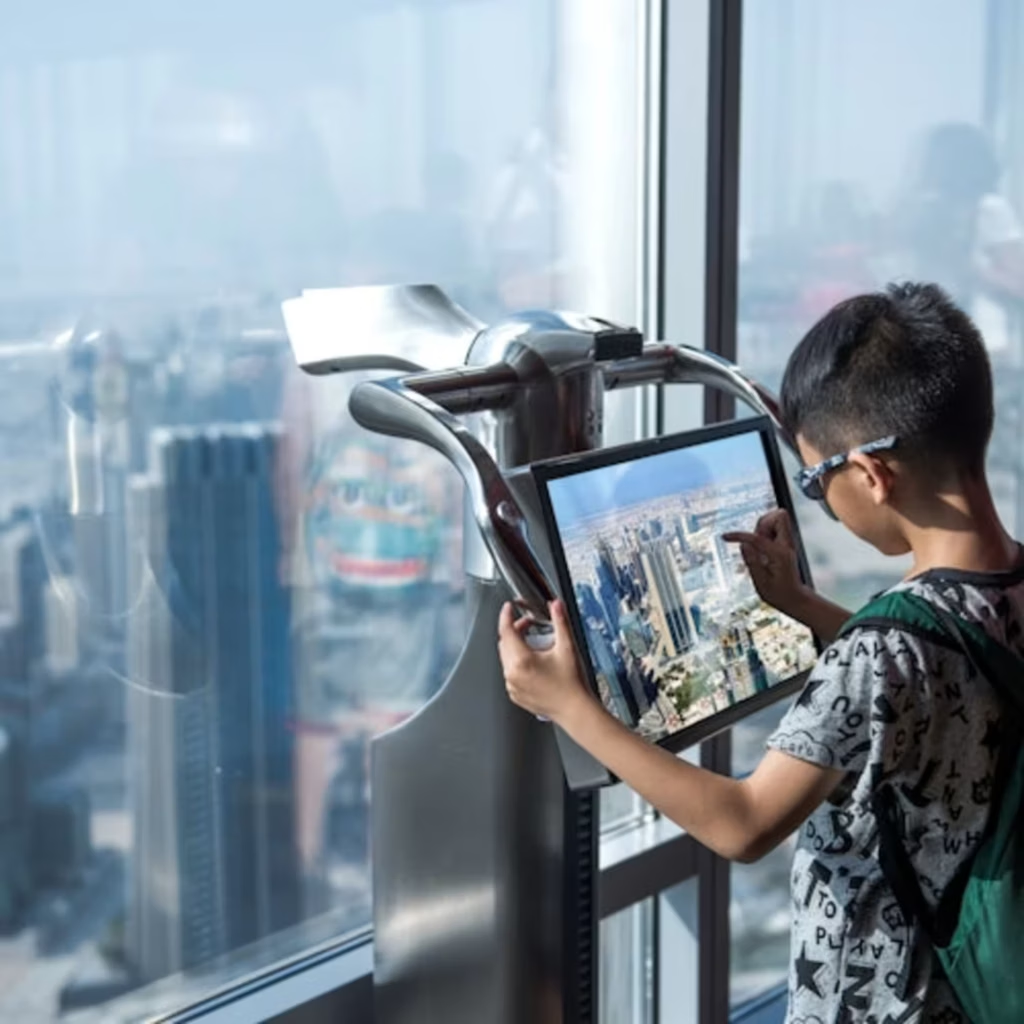
Enjoy stunning views of Dubai from advanced telescopes.

Visit Level 125 to admire panoramic 360-degree vistas from 452 meters above ground.

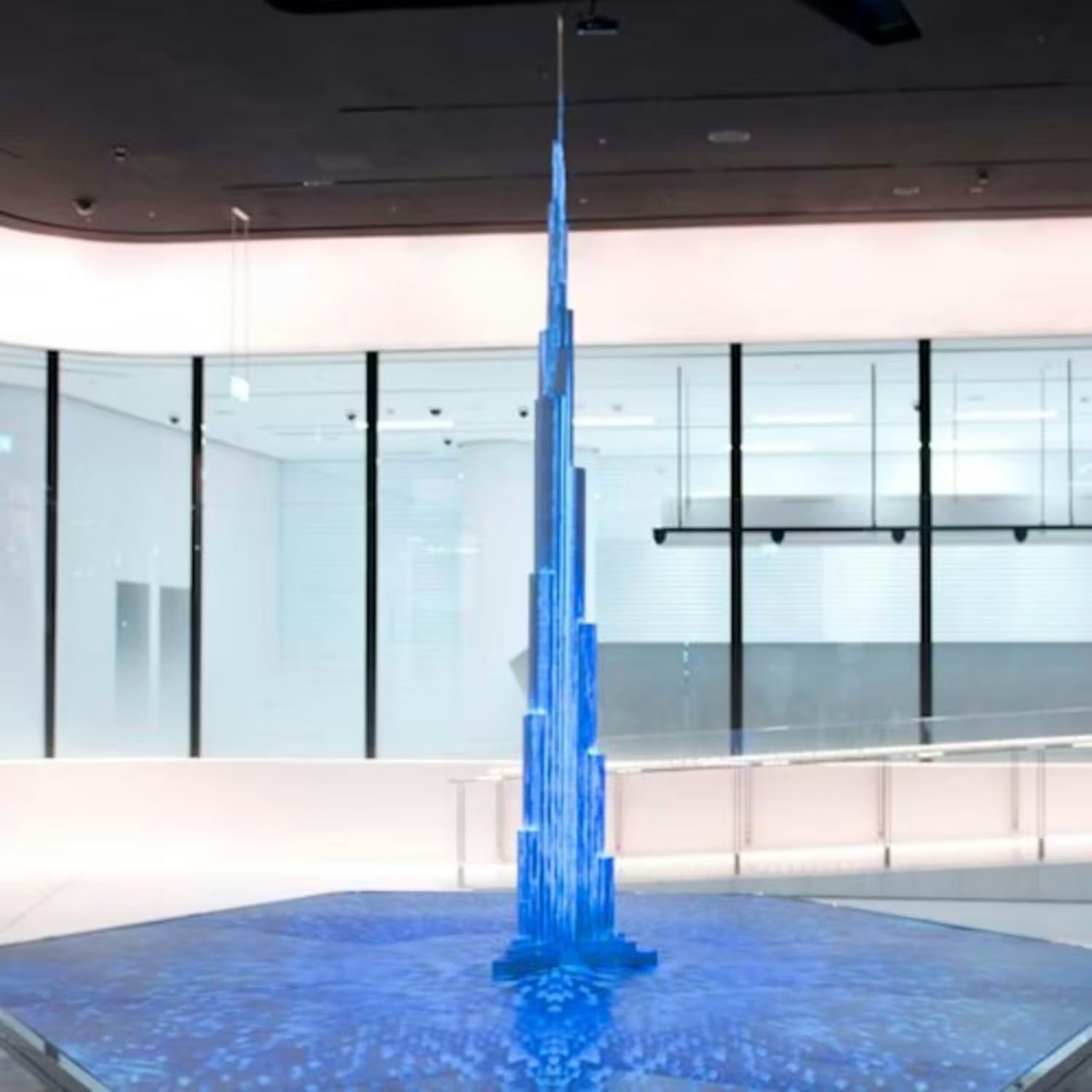
Optional virtual reality experience simulates climbing to the very summit of the tower.
Burj Khalifa: Drink + SKY Level 148 Fast Track Entry Ticket

Highlights

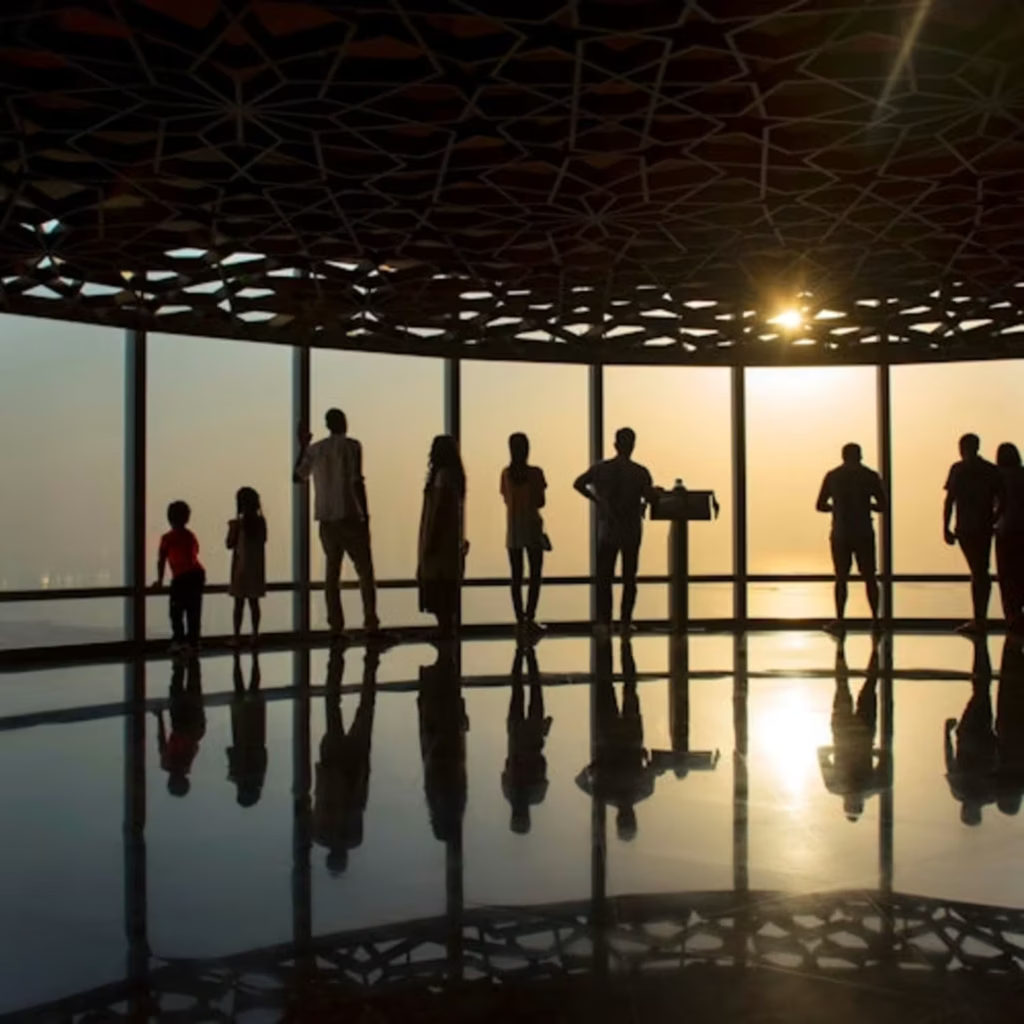
Fast-track entry gets you past the regular queues, all the way up to the SKY deck on level 148.

A personal host greets you, and you can relax in the SKY lounge with refreshments.

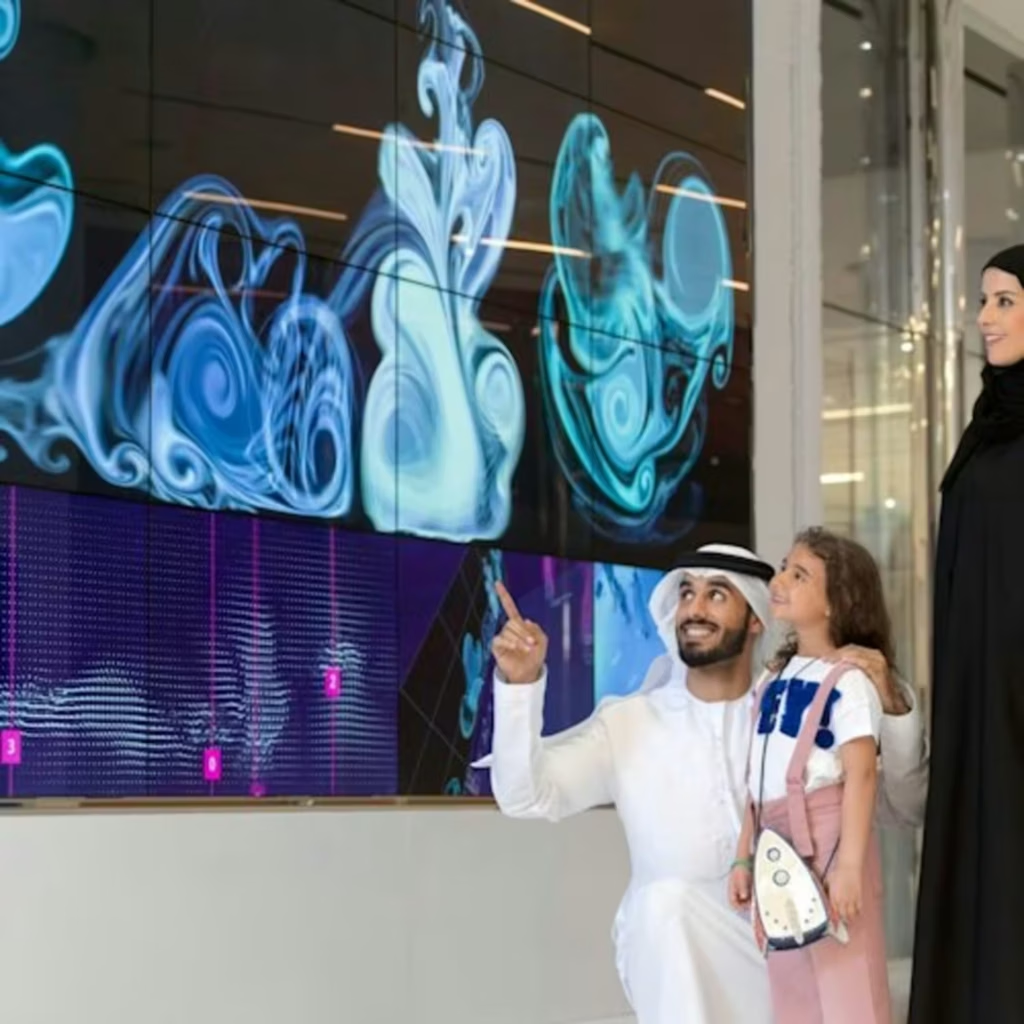
On level 125, try A Falcon’s Eye View, an interactive installation.

Look out over the city and the desert beyond.

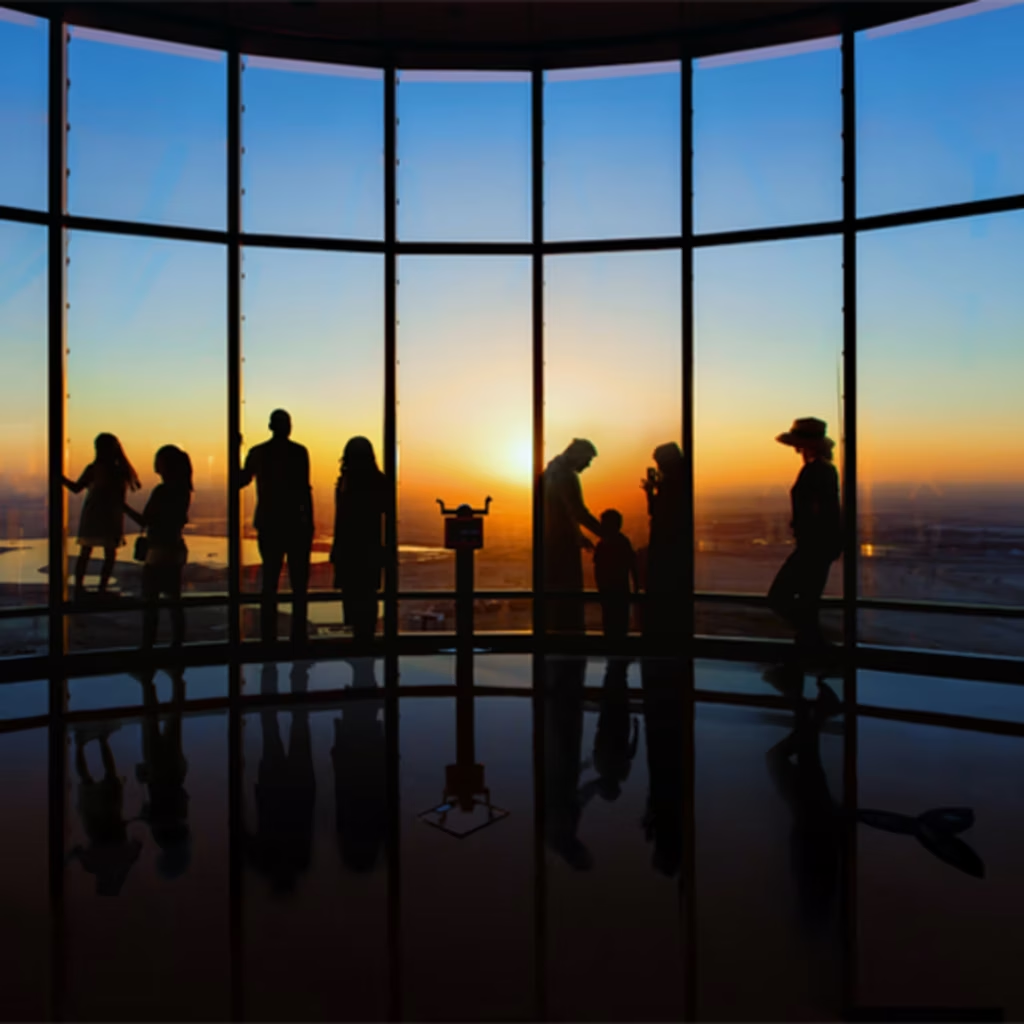
Go at sunset for the best views, or pick a later slot, which costs a little less.
Burj Khalifa: At the Top (Floors 124 & 125) + Souvenir

Highlights

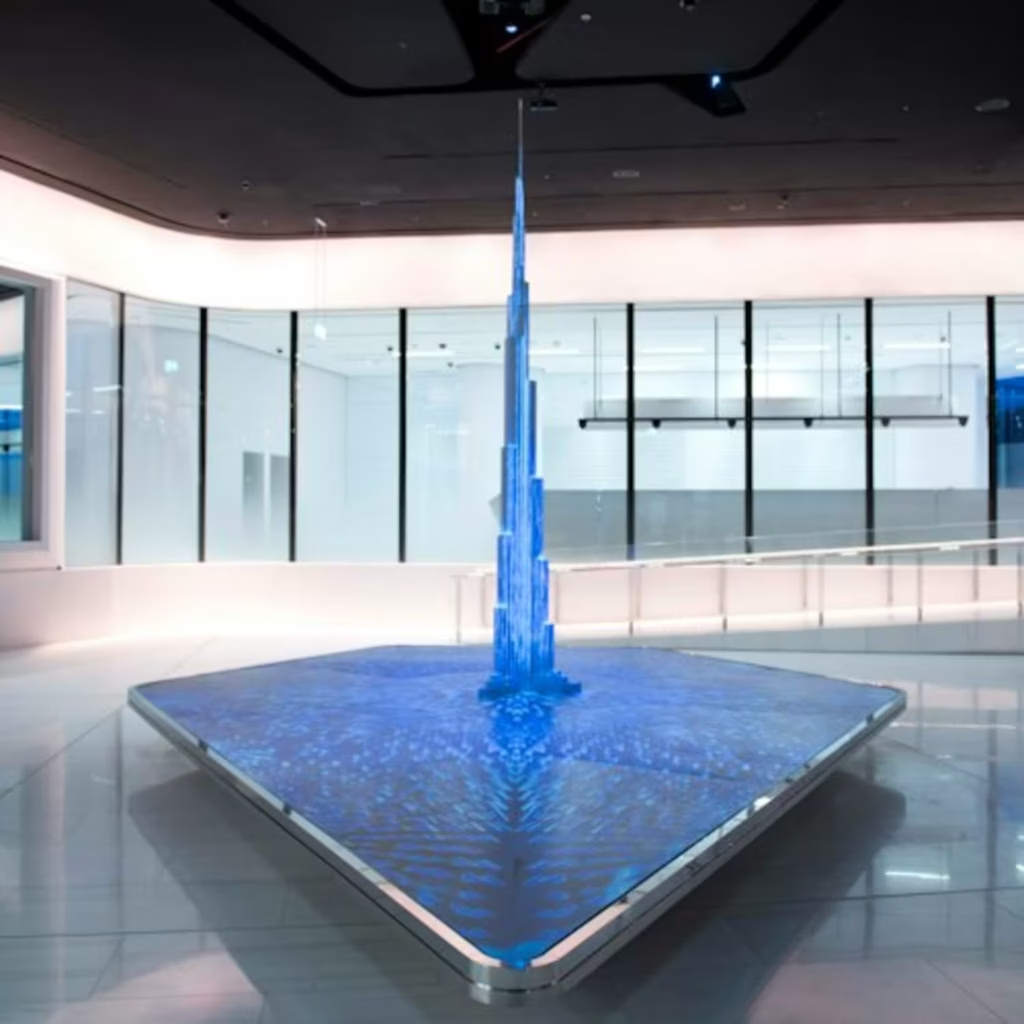
A high-speed elevator takes you up to the observation decks on levels 124 and 125.

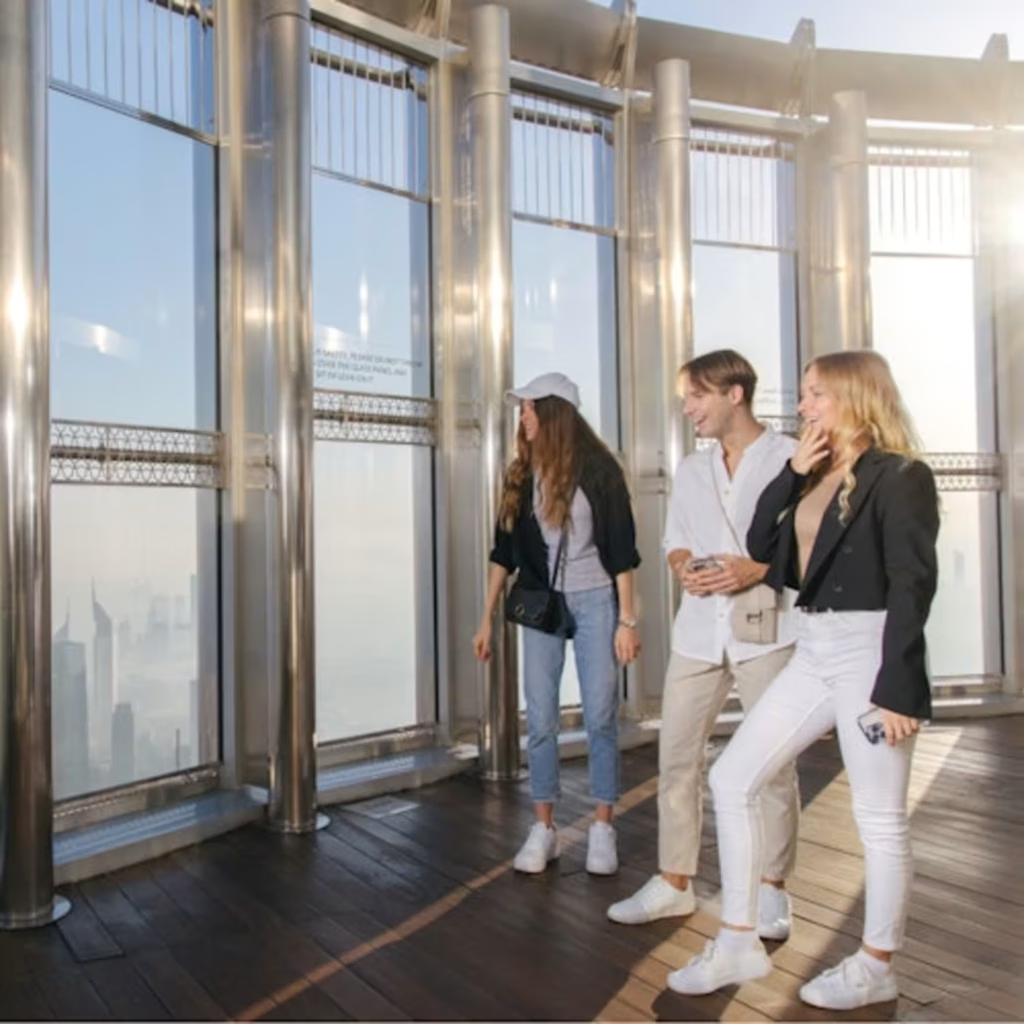
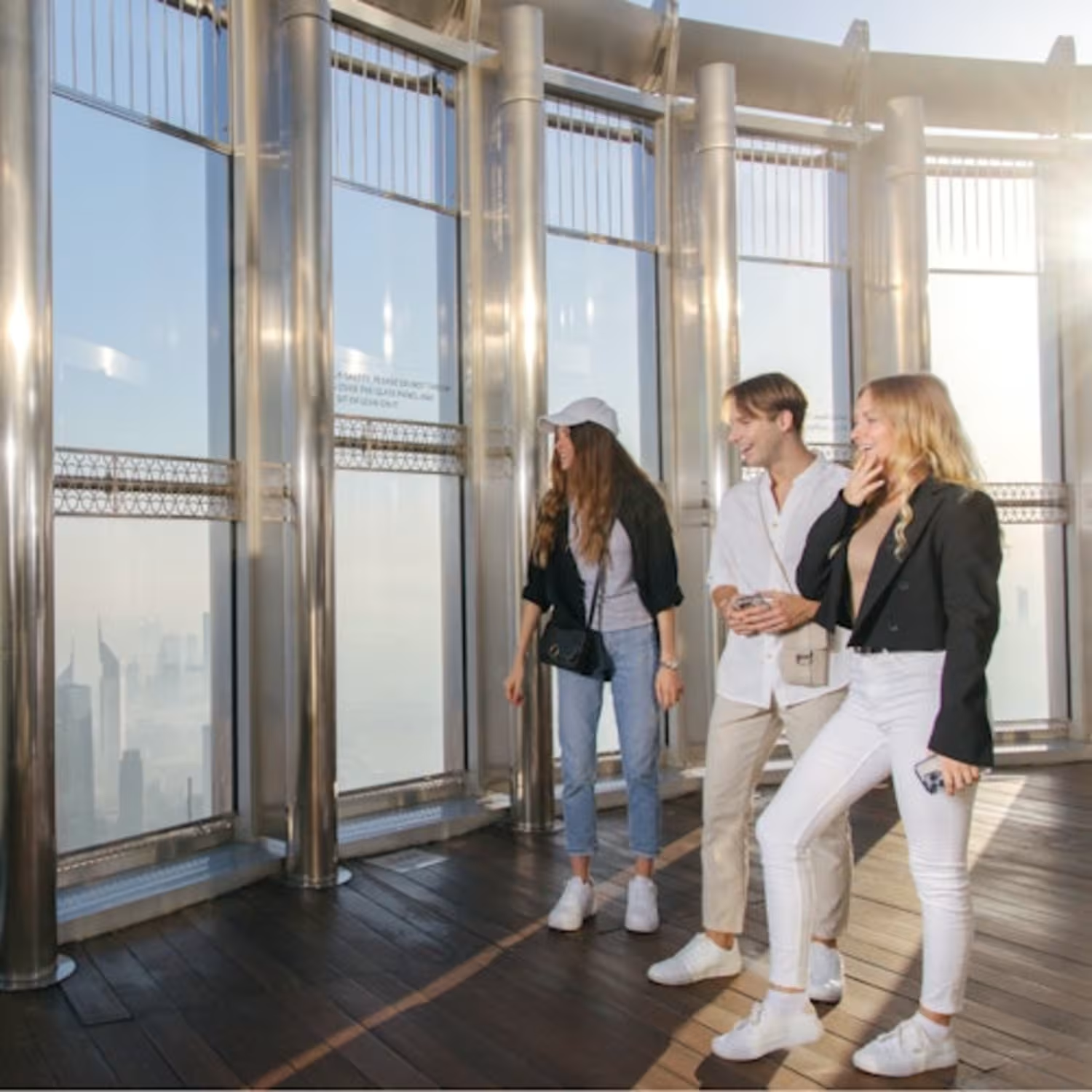
Walk around the deck for 360° views of the city through floor-to-ceiling windows.

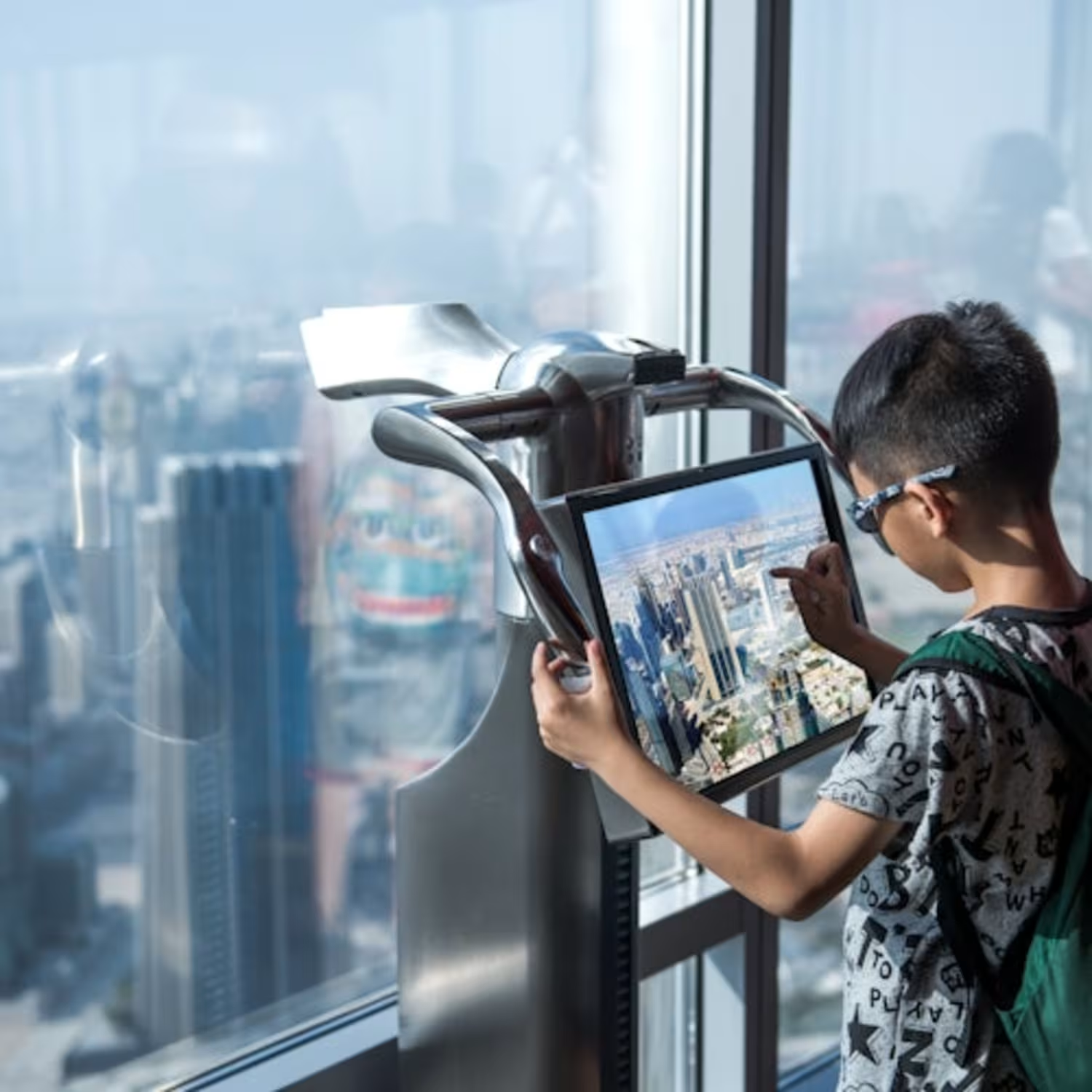
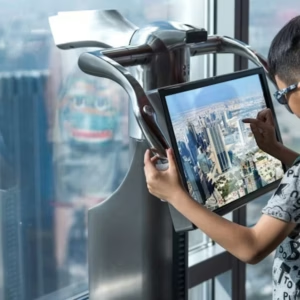
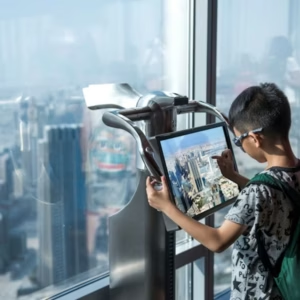
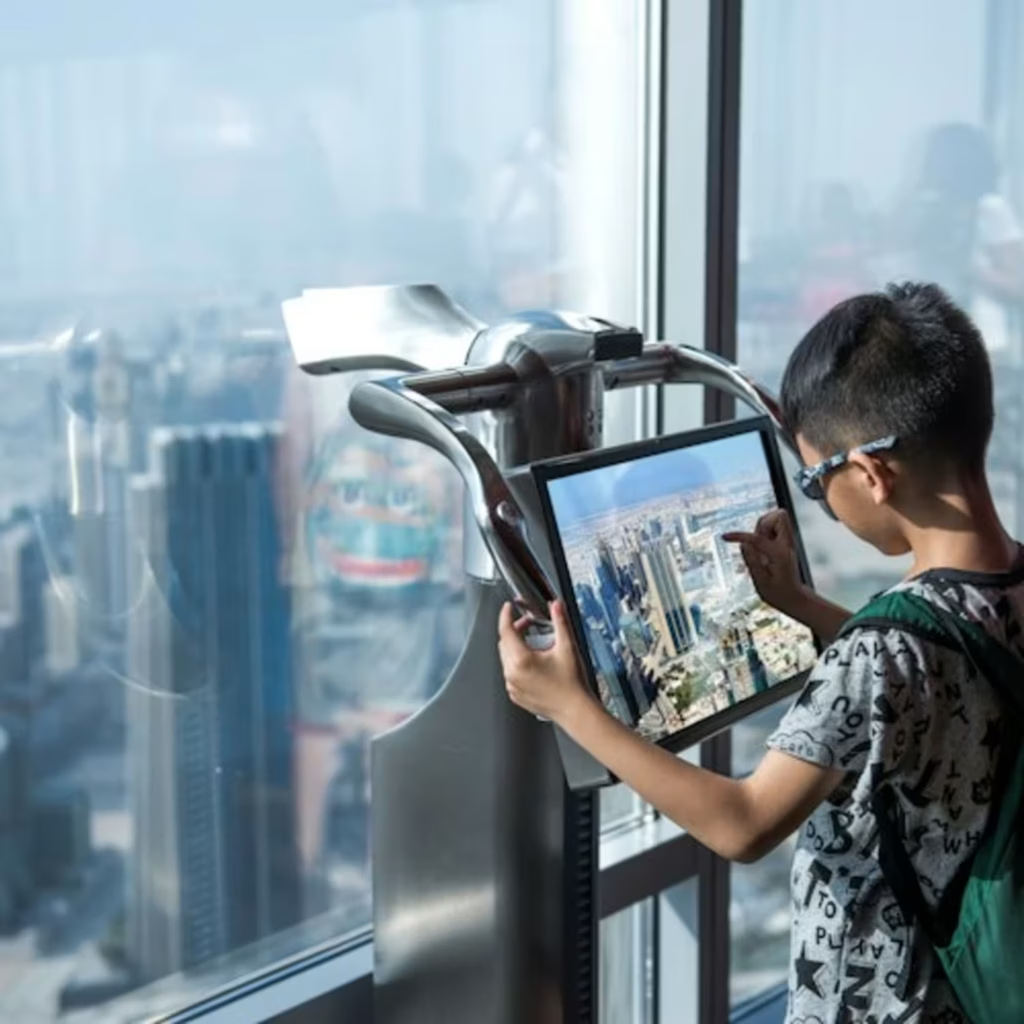
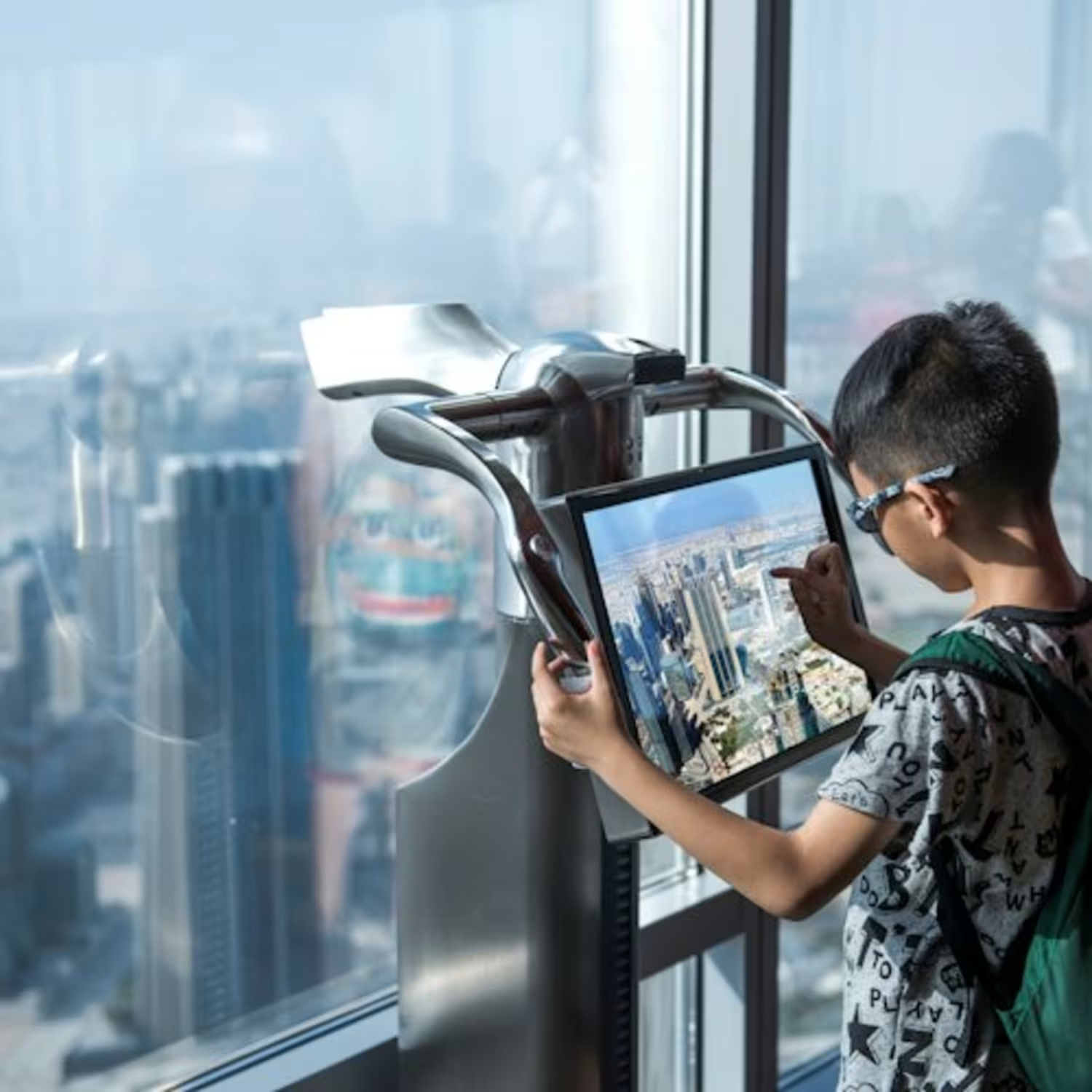
Use the electronic telescopes to get a close look at Dubai’s streets and landmarks.

Choose a souvenir from a curated collection to take home.
Dubai Aquarium & Burj Khalifa: Level 124/125 Ticket

Highlights

Ride what is billed as the world’s fastest elevator up the 829-metre Burj Khalifa.

From the observation decks, look out over the desert, the Gulf and beyond.

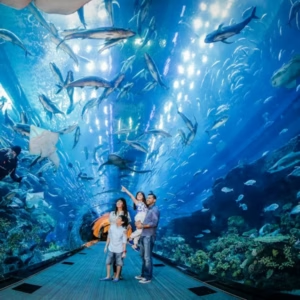
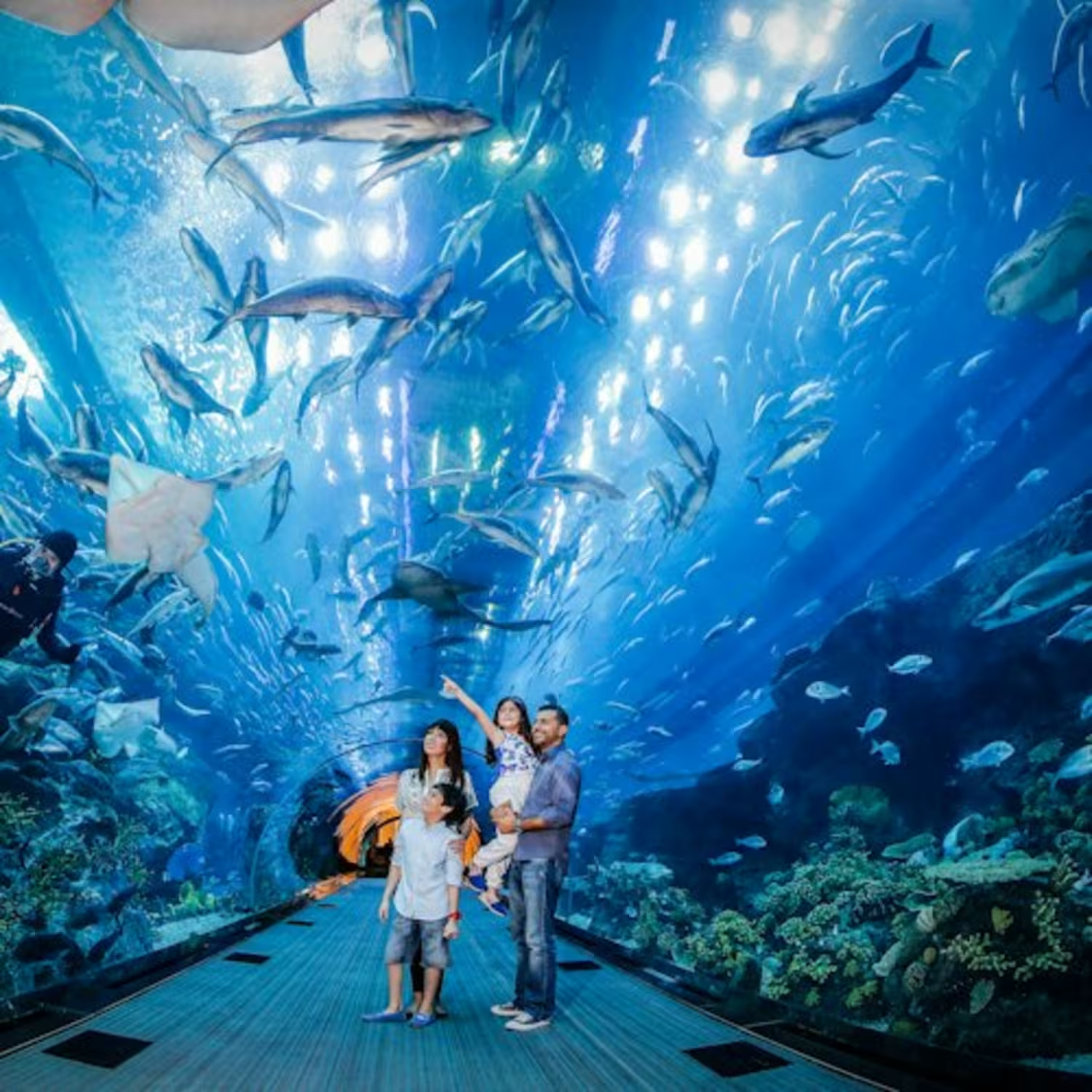
Walk through the aquarium’s tunnel, which holds millions of litres of water and is home to sharks and other marine life.

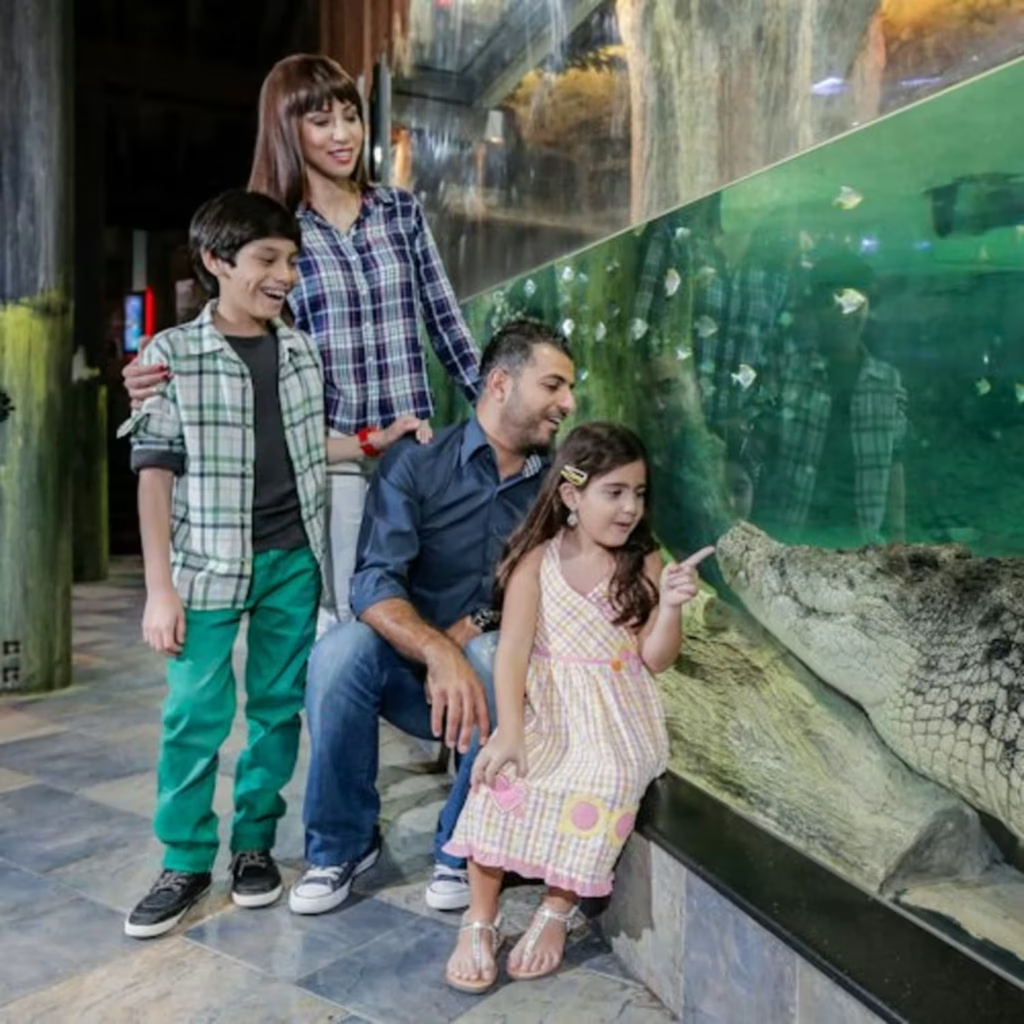
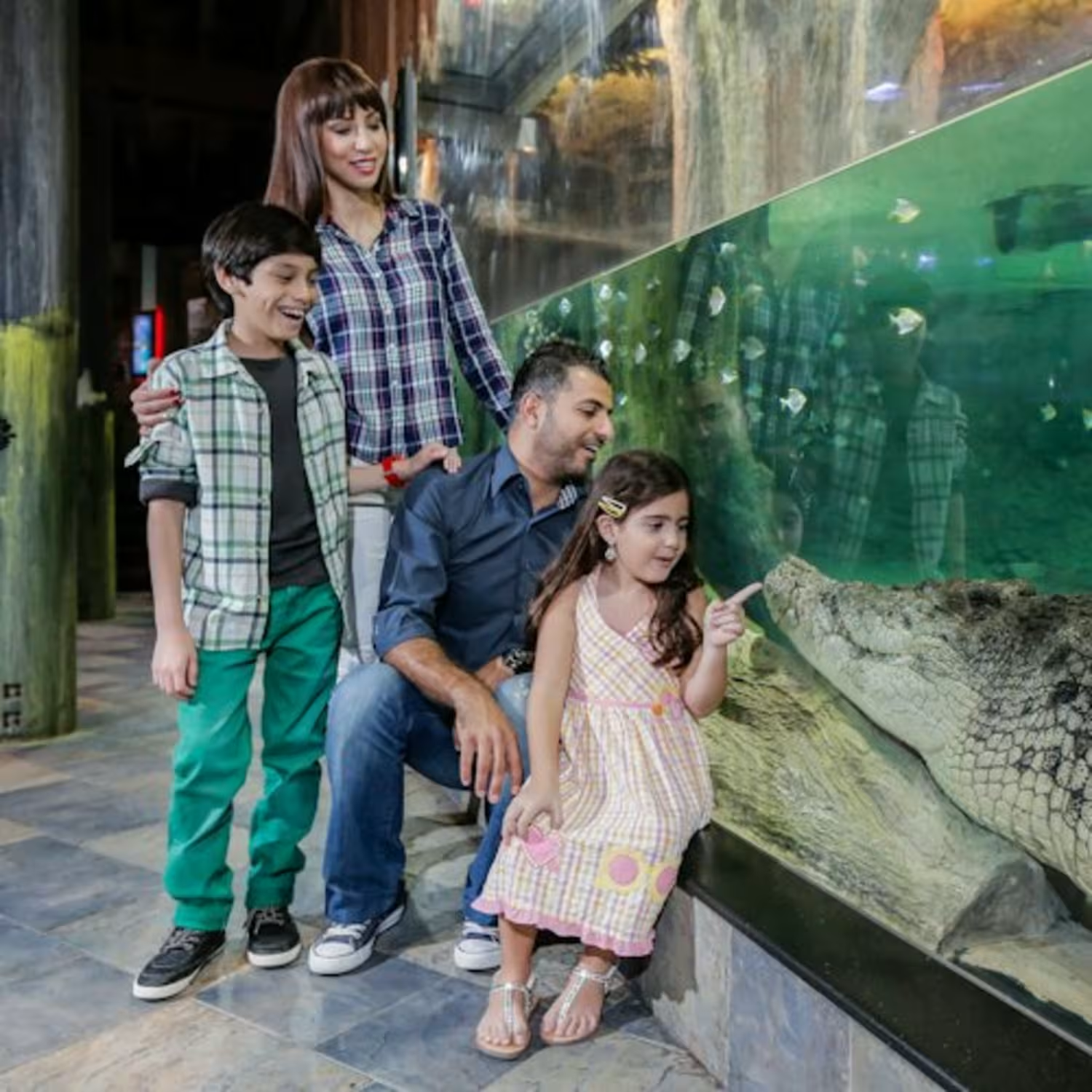
Meet King Crocodile, a 5-metre resident weighing close to a tonne, along with his family.

The aquarium houses around 33,000 sea creatures, including hundreds of sharks.
Burj Khalifa: Level 124/125 Ticket

Highlights

Take in the city from the world’s tallest tower.

Panoramic views across Dubai from levels 124 and 125.

It’s one of the must-do experiences on a first trip to Dubai.
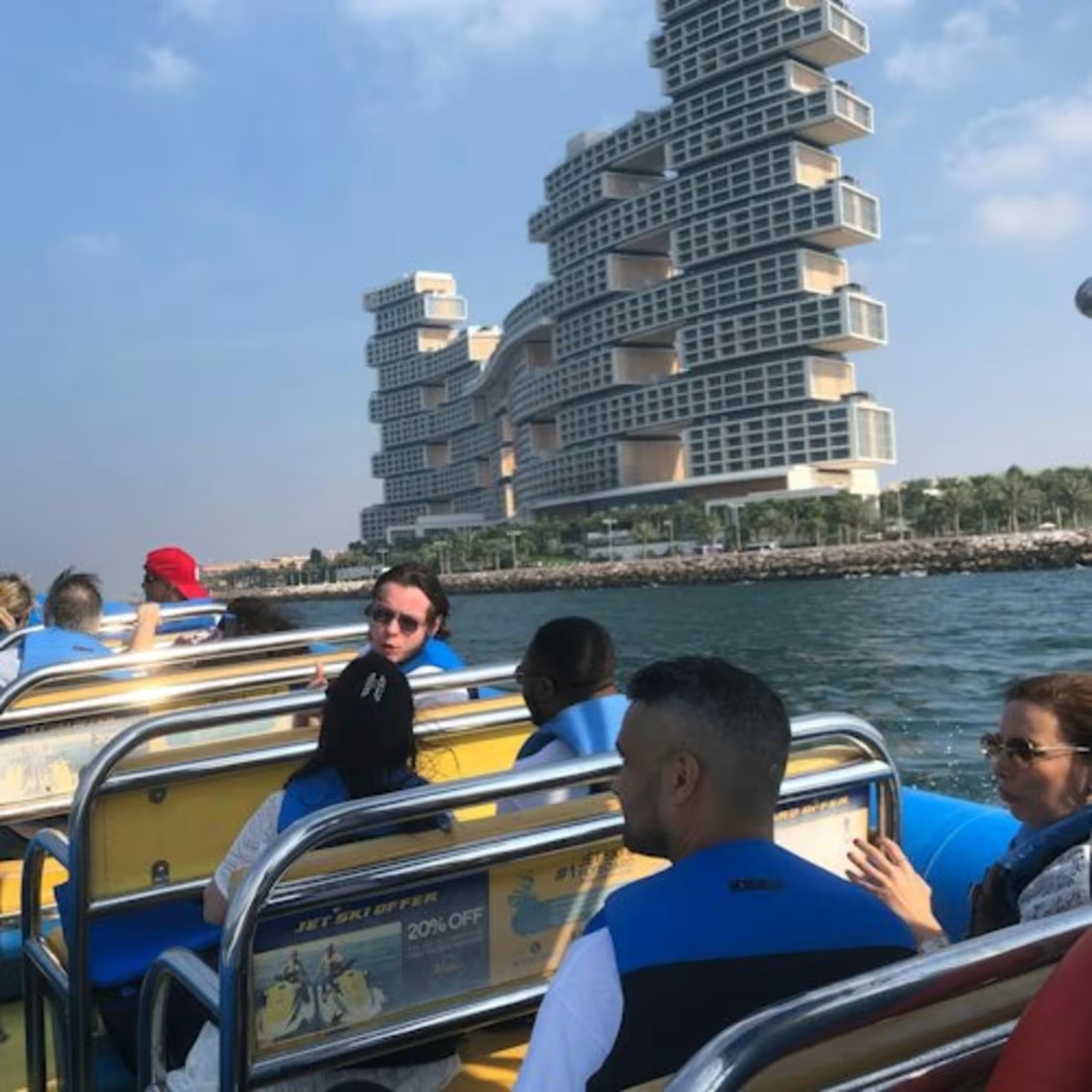
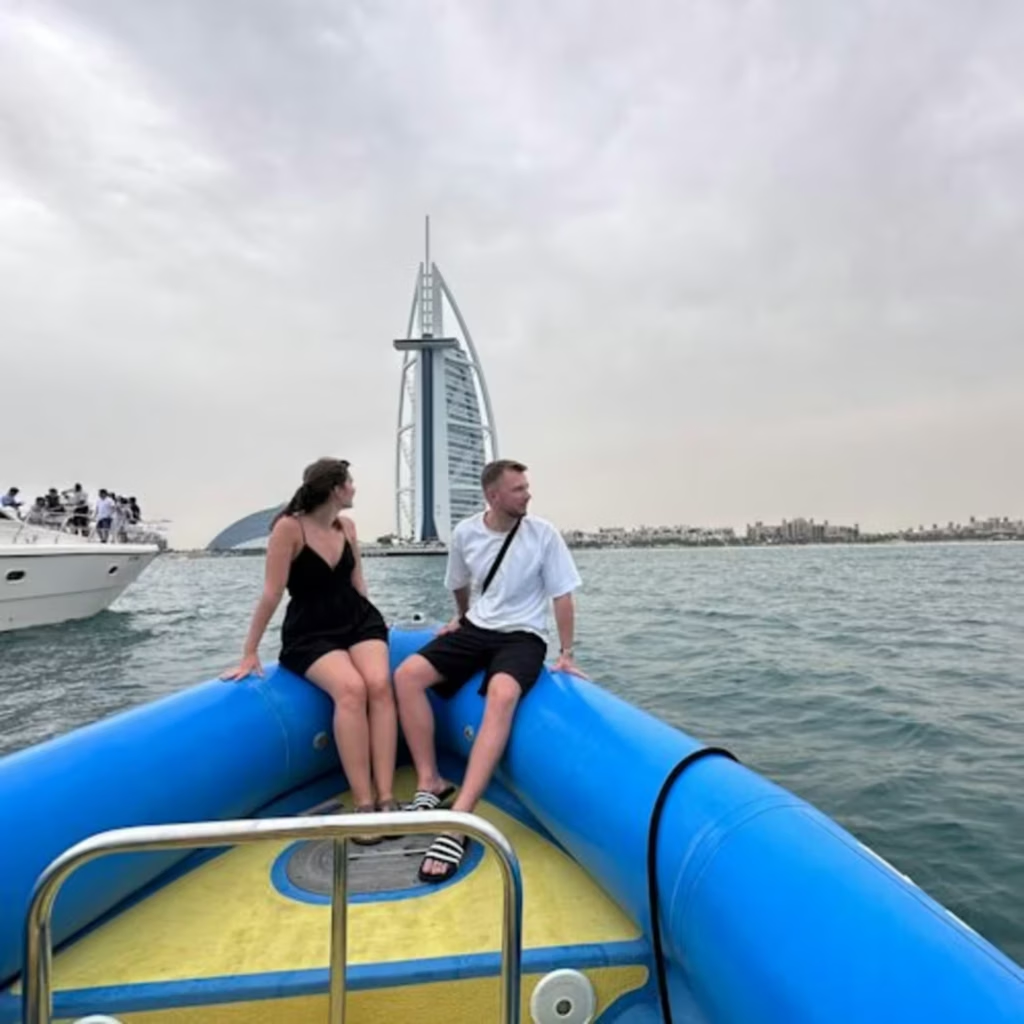
Dubai: 45-Minute Burj Al Arab and Burj Khalifa Speedboat Tour

Highlights

Get a close-up view of Burj Al Arab’s architecture from the sea.

Take photos of Burj Khalifa rising above the coastline.

Groups are small, with a maximum of 12 guests.

The live guide speaks English, Arabic and French.
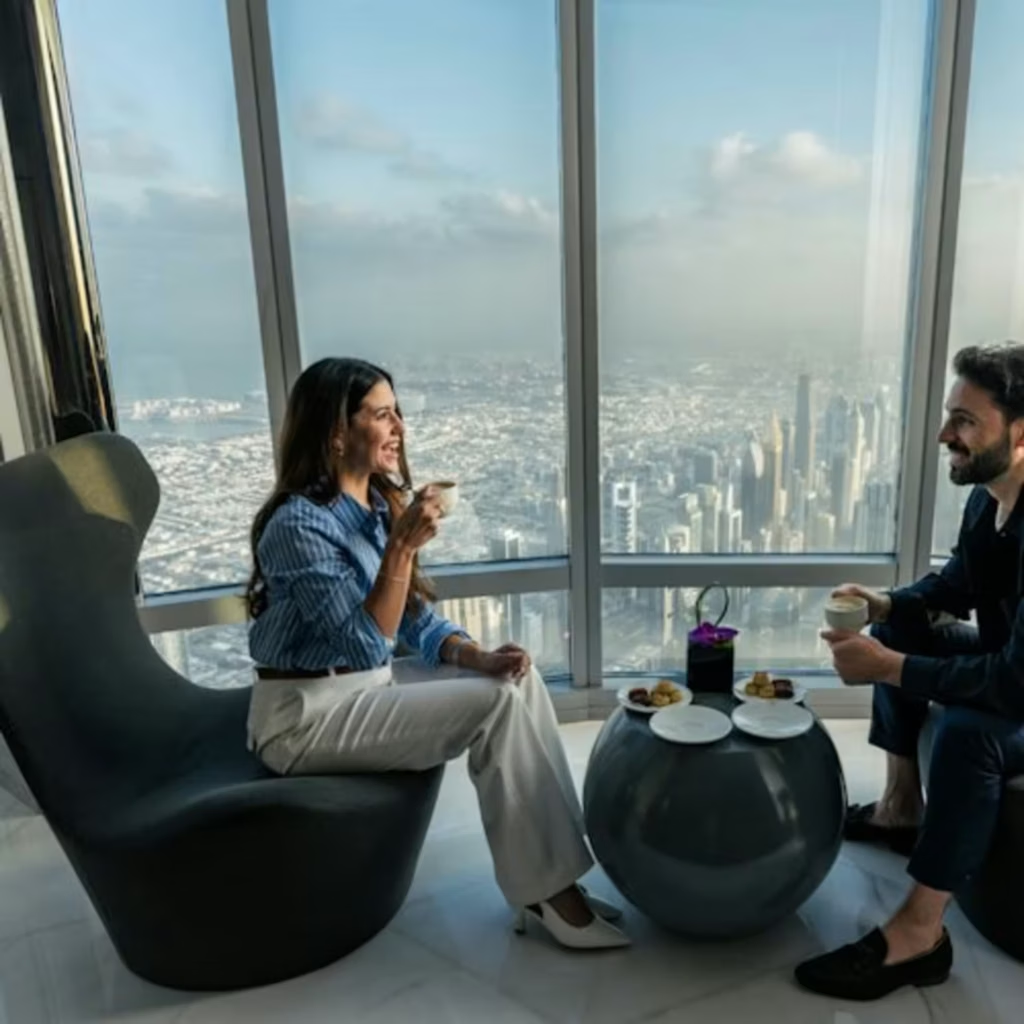
Burj Khalifa: The Lounge - Levels 154, 153, 152

Highlights

Spend time in the highest lounge in the world, 585 metres above the ground.

Step out onto the lounge’s outdoor terrace.

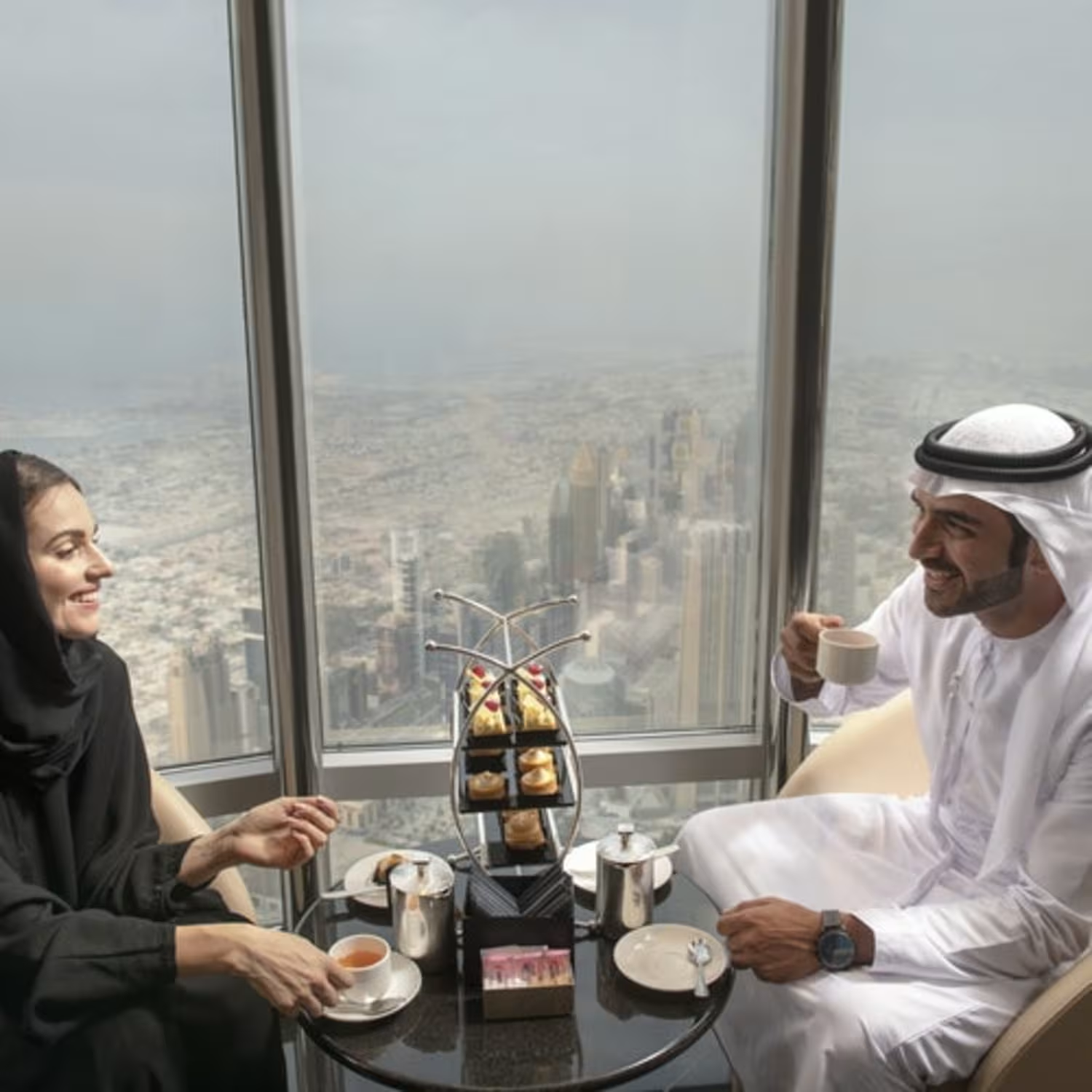
Enjoy high tea and canapés catered by Armani Hotel, along with a glass of bubbly or another drink.

There’s live entertainment in the lounge.

Choose an afternoon visit for the clearest views, or an evening visit under the stars.
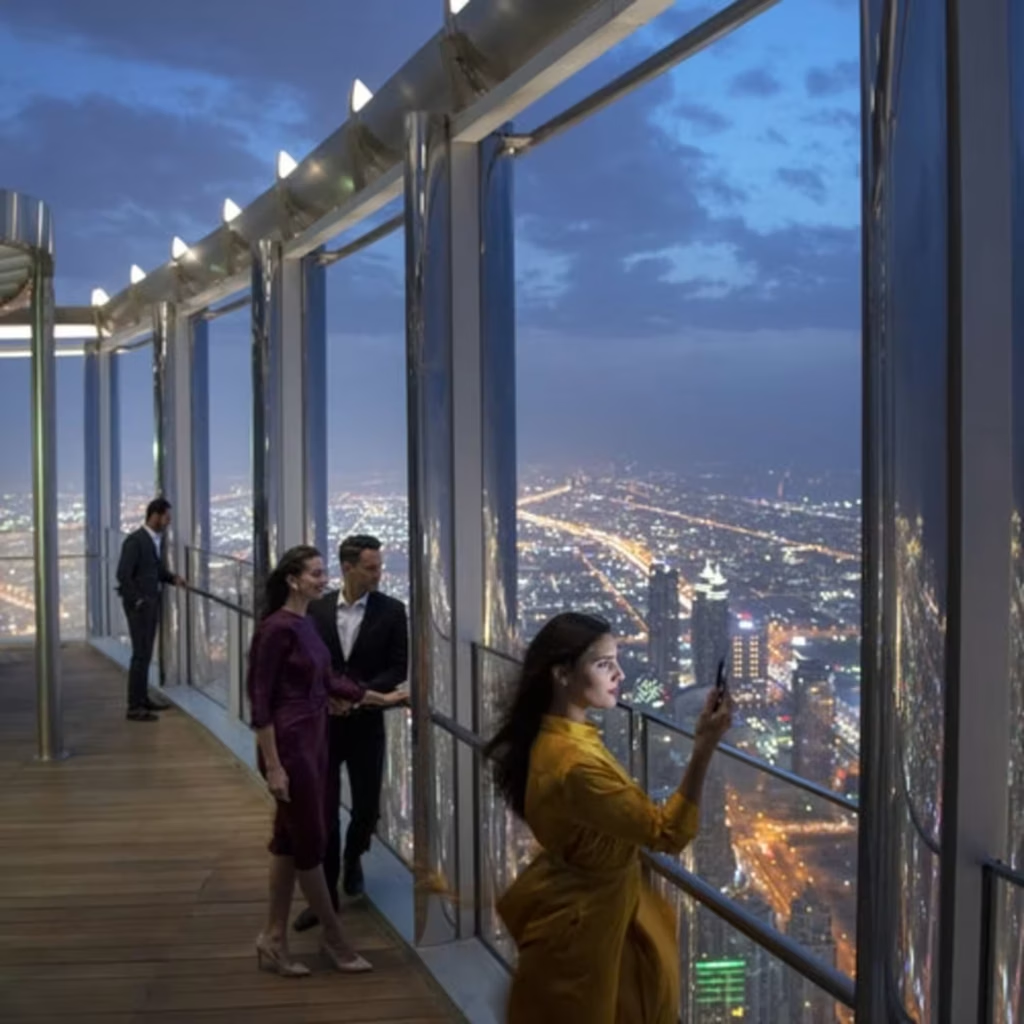
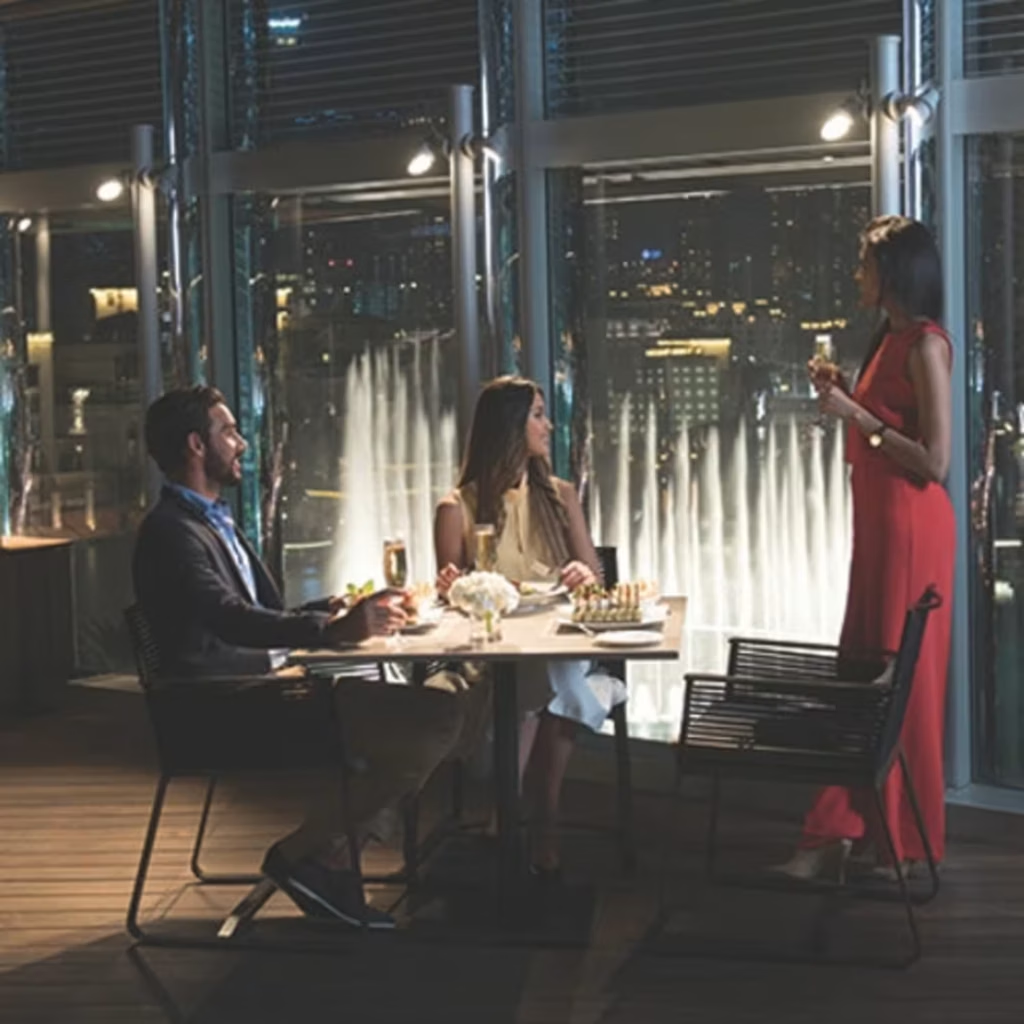
At The Top + Rooftop, The Burj Club: 3-Course Lunch or Dinner

Highlights

Look out over Dubai from the observation decks on levels 124 and 125.

Staff walk you from At The Top to The Burj Club Rooftop.

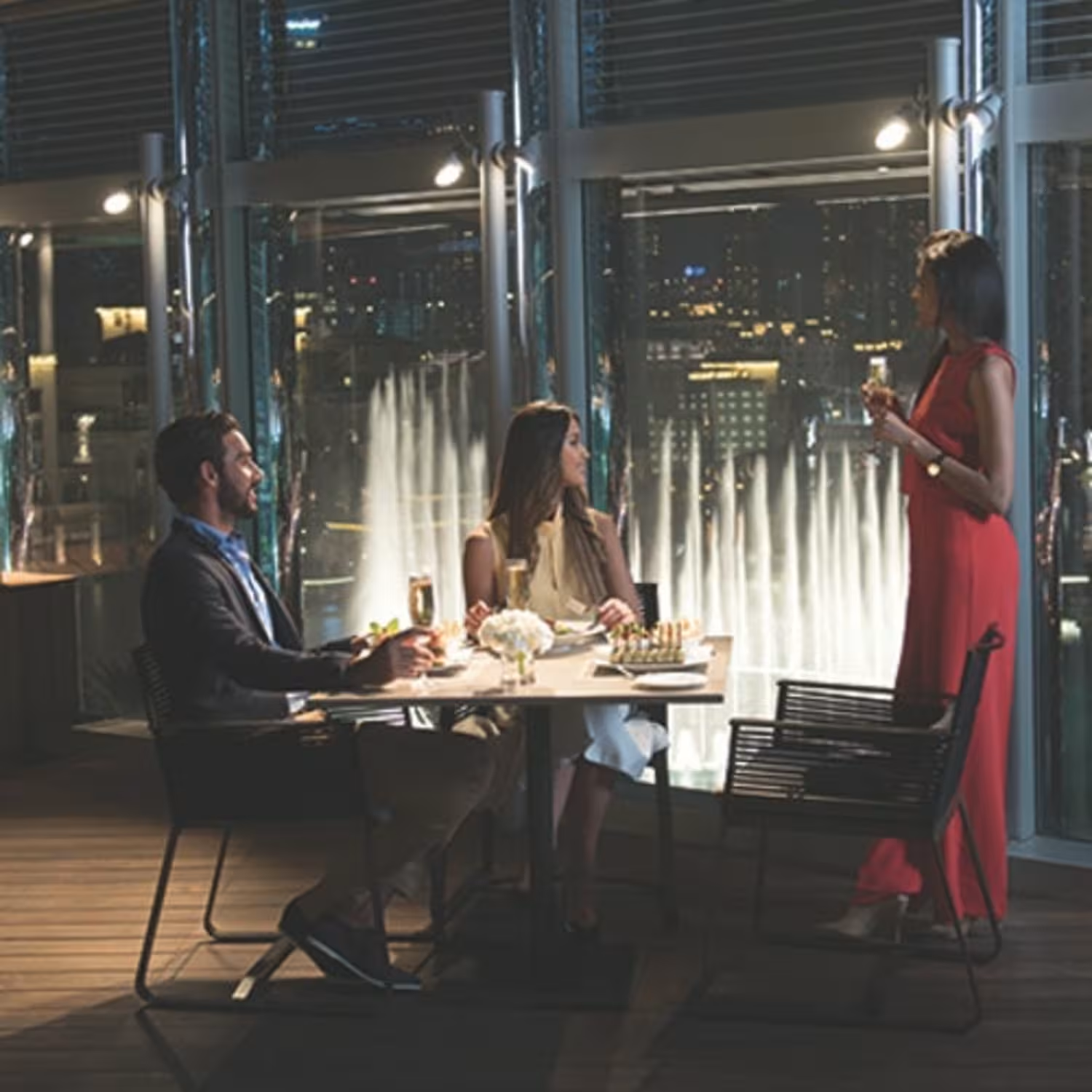
Eat outdoors with views of The Dubai Fountain and Burj Khalifa.
About This Guide

Written by the Tourism Tickets Editorial Team. Last reviewed: November 2026.
Sources: Burj Khalifa, fact sheet and facts and figures; Council on Tall Buildings and Urban Habitat, The Skyscraper Center building profile; Skidmore, Owings & Merrill, project information; The National, Burj Khalifa design, construction and world records in numbers; Wikipedia, Burj Khalifa.
Spotted an error? Our editorial policy explains how to report it.

FAQs: Burj Khalifa Height and Floors

How tall is Burj Khalifa in metres and feet?

Burj Khalifa is 828 metres, or 2,717 feet, tall to the top of its spire. It has been the tallest building in the world since it opened in January 2010.

How many floors does Burj Khalifa have?

It has 163 floors above ground, the figure used by the Council on Tall Buildings and Urban Habitat. 160 of those floors are habitable, the most of any building.

What is the highest floor in Burj Khalifa?

The highest occupied floor is Level 160, about 585 metres above the ground. Above it are communications floors and the steel spire.

What is the highest floor visitors can go to?

Level 148 is the highest observation deck, at 555 metres. The Lounge on Levels 152 to 154 is higher, but it is a separate experience that needs its own booking.

How high is the observation deck on Level 124?

Level 124 sits at about 452 metres and, together with Level 125, forms the At the Top decks. It is the level most visitors go to.

How long is the spire on top of Burj Khalifa?

The spire's central pipe is about 200 metres tall, and the spire as a whole contains more than 4,000 tonnes of structural steel. Jacking it into position completed the tower's structure, which topped out in January 2009.

How long did it take to build Burj Khalifa?

Excavation started in January 2004 and the tower opened on 4 January 2010, so roughly six years. It became the world's tallest building while still under construction, in July 2007.

How fast are the lifts in Burj Khalifa?

The observatory lifts travel at 10 metres per second. The ride from the ground to Level 124 takes about a minute.

How many stairs does Burj Khalifa have?

There are 2,909 stairs from the ground to Level 160. They are not part of a visit: visitors ride the lifts, and the stairwells serve as emergency routes with refuge areas roughly every 25 floors.

Is Burj Khalifa still the tallest building in the world?

Yes, at the last review of this guide. The next tallest completed building, Merdeka 118 in Kuala Lumpur, is 678.9 metres, about 150 metres shorter, and Shanghai Tower follows at 632 metres.

Does Burj Khalifa sway in the wind?

Slightly. The very top sways by about 1.5 metres in total, and the stepped, three-winged shape helps the tower handle the wind at that height.

This website offers official tickets for the venues listed, sold by Tourism Tickets. Please note, however, that it is not the official website of any of these venues.

The images and videos on this website may contain visual elements that have been created or enhanced using AI technology. They are provided for illustrative purposes only.